Pathway Solar Light FAQs: Troubleshooting Brightness and Winter Performance
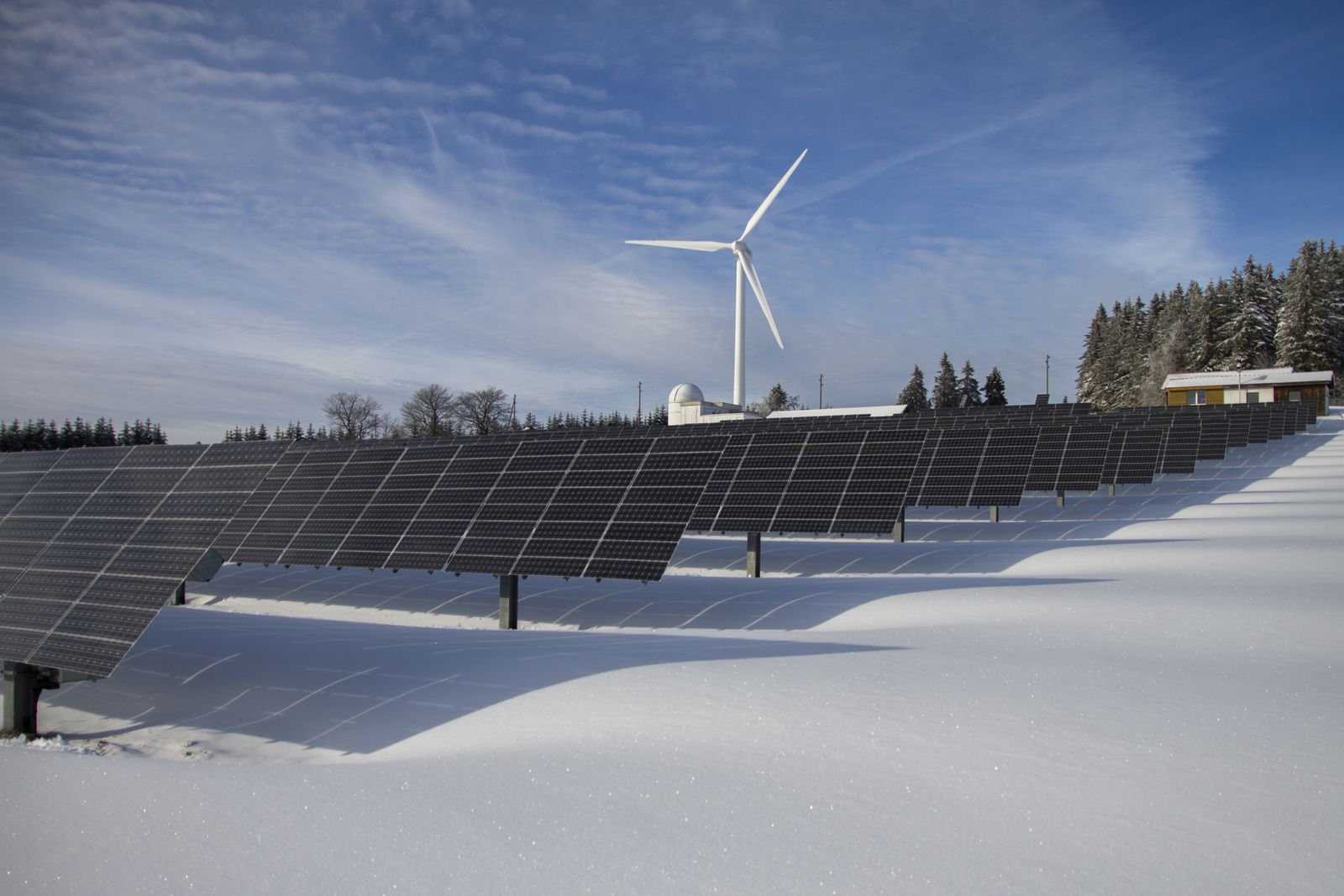
Pathway solar light FAQs start with a blunt troubleshooting rule: dim brightness is usually shade, dirt, or a 120-degree head aimed at the house—not dead LEDs. Winter performance drops because days are shorter and snow sits on the 1.5W–2W panel, not because 600 lumens vanished. Wipe the glass, steepen the tilt, stake 4–6 inches so the fixture cannot lean into mulch, and charge the 2000 mAh pack on a clear day. A path that was fine in June and gloomy in January is a sun problem you can still fix without wiring.
Why pathway lights look dim before they are “broken”
Solar pathway and spot lights share the same physics. The 74-LED head can only spend what the polycrystalline panel stored. A shrub that grew in July, pollen film, or a fixture that leaned after hard soil dried will all show up as troubleshooting brightness tickets. IP65 keeps rain out; it does not keep dust off.
If one head on the walk is dim and its neighbor is not, swap their places for a night. If the dimness travels with the location, you found shade. If it travels with the lamp, reseat the gasket, confirm the switch is on dusk-to-dawn, and give it a full charge away from the path.
Winter performance is tilt, snow, and honesty about north walls
Photo by Q. Hưng Phạm on Pexels
Winter performance is not a different product. Steepen the 120-degree panel toward the low sun. Brush snow off in the morning. A north-facing house wall that “worked” in June may not keep a path lit until midnight in January. Wall-mount on a sunnier fence or stake out in the open and aim back at the walk.
Cold down to about -4°F is inside the operating range if the pack started full. An empty cold pack looks like failure. Warm white still shows brick edges on icy steps; blasting cool white will not melt a charging problem.
Aim still matters when you are chasing lumens
A 600-lumen beam in a walker’s eyes makes the rest of the path look darker. Troubleshooting brightness includes glare. Place 6–10 feet apart, graze the treads, hide the LED face. Install remains $0 DIY. Replace a battery only after sun, tilt, and cleanliness have had a fair week.
Dim pathway light: cause vs winter vs wired
| Symptom | Likely cause | First fix | | --- | --- | --- | | All heads dim by 9 p.m. | Short charge / dirty panels | Wipe glass; check shade hours | | One head dim, others fine | Local shade or lean | Swap locations; restake 4–6 in. | | Fine in summer, weak in winter | Low sun, snow on panel | Steepen tilt; brush snow | | Harsh but “dim” path | Glare hiding treads | Aim down; 6–10 ft graze | | Dead after opening housing | IP65 gasket not seated | Dry and reseat the seal | | Want guaranteed all-night in storms | Sun-limited solar | Accept shorter nights or add a wired run |
Aim, placement, and charging checklist
Photo by Gildo Cancelli on Pexels
- [ ] Map shade on the pathway at 9 a.m., noon, and 3 p.m.
- [ ] Wipe pollen, dust, and snow off every 1.5W–2W panel.
- [ ] Stake 4–6 inches; reset any fixture leaning into mulch.
- [ ] Steepen winter tilt; flatten again in summer.
- [ ] Place heads 6–10 feet apart; graze treads, hide glare.
- [ ] Charge 2000 mAh packs on a clear day before replacing parts.
- [ ] Keep sprinklers off the glass.
- [ ] If a north wall starves winter performance, move the panel, not just the beam.
Frequently asked questions
Why are my solar pathway lights dim after a week of looking fine?
The first nights often run on a factory charge. Then shade, film, or a leaned stake show up. Troubleshooting brightness starts with sun and cleanliness, not new LEDs.
How bad is winter performance on 600-lumen solar spots?
Shorter days mean fewer hours in the 2000 mAh pack. Snow on the panel is worse than cold air. Clear the glass and steepen the tilt before you call winter a deal-breaker.
Do I need a different fixture for icy steps?
You need the same 74 LEDs aimed at the riser in warm white. Ice is a traction problem; lighting still has to show the lip without glare.
Can wall mounting fix a dim garden path?
Yes if the wall has the sun. No if you screw the panel under an eave. Mounting is a charging tool as much as a look.
When should I stop troubleshooting and add wired lights?
When the route never sees useful sun and you need guaranteed midnight light every night. For most walks, solar plus honest placement is enough.
Related reading
- FAQ on solar spot lights charging and maintenance
- how solar spot lights work when they look dim
- winter weather guide for solar spotlights
- weatherproof solar lighting guide for rain and winter
- solar spotlight moisture troubleshooting guide
What to do next
Pick the dimmest pathway head. Wipe it, reset the stake, point the panel at winter sky, and charge one clear day. If brightness returns, copy that troubleshooting to the rest of the walk. If it stays dead in full sun, then consider the pack—not before.