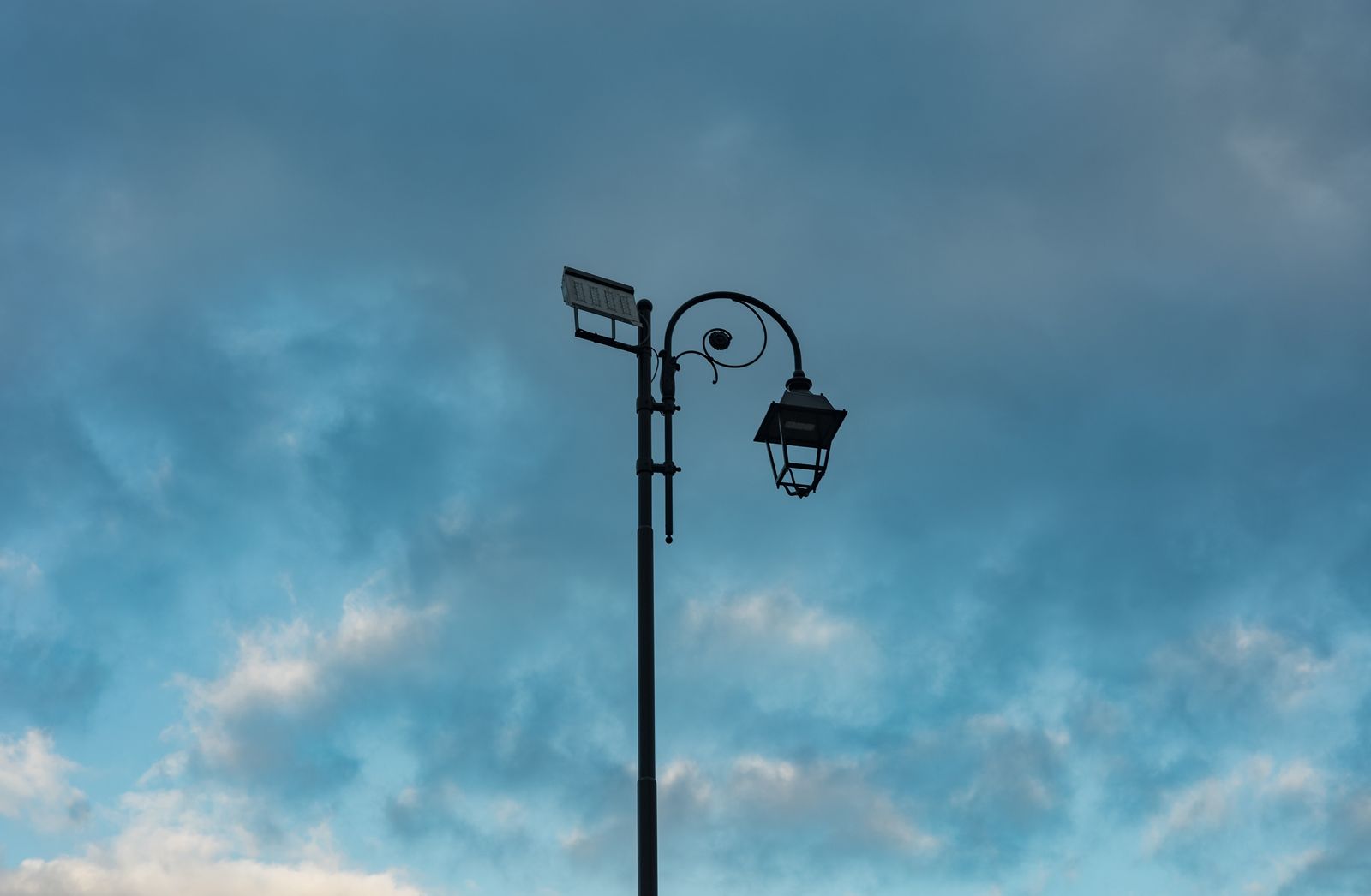
Solar Spotlight Moisture Troubleshooting: How to Fix Condensation and Protect Waterproof Seals
Is that hazy fog inside your solar spotlight normal condensation or a permanent seal leak? Fine mist that clears as daytime temperatures rise is harmless atmospheric condensation. However, pooled liquid water inside the housing signals a seal breach. Disassemble the housing, dry the internal 74-LED board and battery thoroughly with desiccant, inspect the silicone gasket, and tilt the 120-degree adjustable head to prevent water accumulation.
Diagnostic Flowchart: Condensation vs. Water Ingress
- Is there pooled liquid water sloshing at the bottom of the lens cover? → Yes: Severe Seal Leak: Disassemble housing immediately, disconnect power, dry circuit board, and reseat internal O-ring gasket.. No: Go to Next Question.
- Does fine haze appear in early morning and vanish after 2–3 hours of midday sun? → Yes: Normal Atmospheric Breathing: Trapped humidity condenses on cool glass. Angle head at 15° to 45° to reduce surface retention.. No: Micro-Gasket Breach: Persistent fogging without liquid pooling indicates minor air leaks around housing screws or solar panel edges..
Failure Modes & Technical Diagnostics
| Failure Mode | Visual Symptom | Root Cause | Immediate Action |
| --- | --- | --- | --- |
| Internal Water Accumulation | Visible liquid sloshing inside lens ring when fixture is tilted | Dislodged rubber O-ring gasket or completely flat panel mounting angle collecting rainwater | Power off fixture, open casing, dry 74-LED board with desiccant, and re-seat O-ring before tightening screws evenly. |
| Persistent Heavy Cloudiness | Thick fog and large clinging droplets on lens interior for over 24 hours | Micro-fissure along the polycrystalline silicon solar panel perimeter or loose rear casing screws | Remove lens cover, dry interior with microfiber cloth, inspect panel perimeter, and apply exterior silicone sealant. |
| Intermittent LED Flickering | Fixture fails to maintain 600 lumens output or turns off unexpectedly | Moisture bridging circuit board traces or corroding light sensor contact points | Isolate light housing, clean electronic contact points with isopropyl alcohol, and allow 24 hours in a dry room. |
| Loss of Dusk-to-Dawn Automation | Spotlight stays on during daylight or fails to trigger light at dusk | Internal condensation obstructing the light sensor window inside the casing | Wipe internal lens cover face clean and adjust head angle to ensure direct sunlight hits the solar panel. |
Match your solar spotlight's visual symptoms to specific mechanical failure modes, root causes, and immediate practical remedies.
Pro Tip: Angle Adjustments and Thermal Breathing
Outdoor lighting housings with IP65 waterproof ratings undergo constant expansion and contraction as temperatures shift between day and night. When 74 high-power LED beads emit up to 600 lumens, internal ambient air warms up. As ambient night air drops, that trapped humidity condenses against the colder acrylic lens.
To prevent water from sitting over seam points during rainstorms, never mount your spotlight head completely horizontal. Always use the 120-degree adjustable pivot joint to maintain at least a 15-to-30-degree forward slope. This angle ensures rainwater glides off the polycrystalline silicon panel and lens surface immediately rather than resting over seal joins.
6-Point Solar Spotlight Moisture Inspection Checklist
- [ ] Check lens clarity: Is it light atmospheric haze or liquid water pooling at the bottom?
- [ ] Verify casing tilt: Is the 120-degree head angled at least 15 degrees to encourage rain runoff?
- [ ] Inspect housing screws: Are all rear housing fasteners snug, without being over-tightened?
- [ ] Examine the rubber O-ring gasket: Is it seated evenly around the lens edge without gaps?
- [ ] Check panel edges: Is the polycrystalline silicon panel seal intact without cracks?
- [ ] Inspect dusk-to-dawn sensor window: Is moisture obstructing light sensitivity?
Decision Path: Repair, Reseal, or Replace?
- Does the solar spotlight still illuminate when manually tested in a dark room? → Yes: Go to Next Question. No: Circuitry shorted by water pooling. Replace fixture with heavy-duty IP65 rated solar spotlight.
- Is moisture limited to fine atmospheric haze that clears under warm sunlight? → Yes: No hardware disassembly required. Adjust tilt head to 15°–45° incline and monitor performance.. No: Seal compromise detected. Proceed to DIY drying protocol and reseal rubber gaskets.
Heavy-Duty IP65 Weatherproof Solar Spotlights
If water ingress has permanently damaged your old landscape lights, upgrade to rugged fixtures built to withstand heavy rain, snow, wind, and freezing frost.
Essential Moisture Management Takeaways
- Fine morning fog on lenses is often normal thermal breathing, not a broken waterproof seal.
- Standing liquid inside the light casing indicates a displaced O-ring gasket or damaged solar panel seal.
- Using the 120-degree pivot head to slope the fixture at 15°–30° prevents rainwater from pooling over seams.
- High-efficiency polycrystalline panels (20% conversion rate) convert solar energy best when kept free of water spots and grime.
- Never use high-heat heat guns on plastic lighting housings; silica gel desiccant packs dry delicate LED boards safely.
Step-by-Step DIY Moisture Removal and Drying Protocol
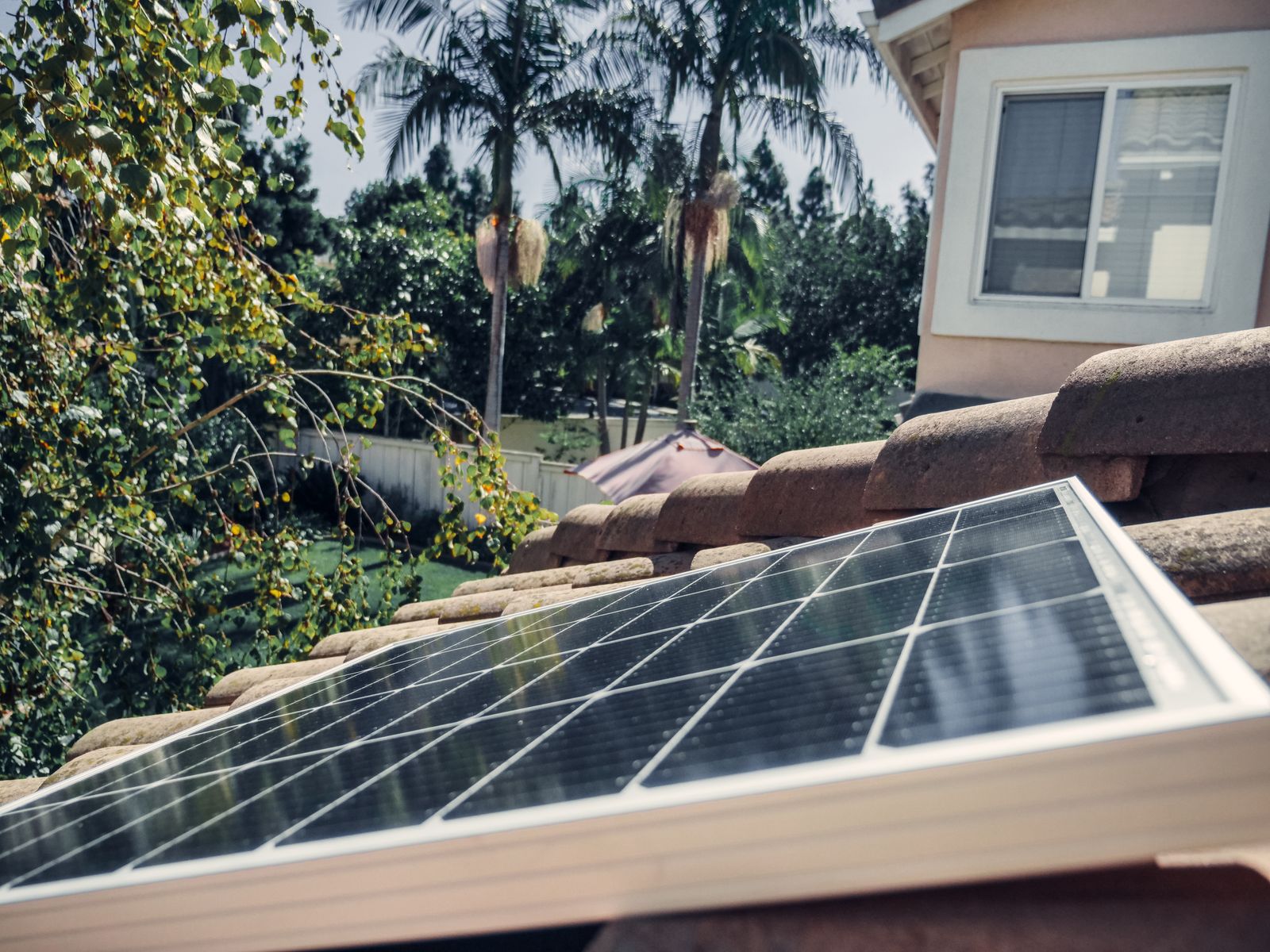
Photo by Kindel Media on Pexels
Follow this step-by-step restoration routine if standing water or persistent heavy moisture has invaded your spotlight casing.
Critical Mistakes That Ruin Solar Light Waterproofing
Avoid these common DIY repair missteps that destroy housing seals, corrode electronic traces, or void product warranties.
Frequently Asked Questions About Solar Light Moisture
Clear answers to common questions about moisture, seals, and seasonal care for outdoor solar spotlights.
Immediate Next Steps to Protect Your Solar Spotlights
Your decision: Determine whether your spotlight requires a simple 5-minute tilt angle adjustment or a full indoor desiccant drying routine.
Do this next: Inspect your light's lens face today. If visible liquid is pooling inside, switch off power, open housing screws, dry the 74-LED board with desiccant, and re-seat the rubber O-ring before remounting.
Related resource: Consult standard outdoor electrical maintenance standards for IP65 consumer fixtures to learn more about weather resistance.Upgrade to Nacinic 74-LED Solar Spotlights featuring heavy-duty IP65 seals, 600 lumens output, 20% conversion polycrystalline panels, and 120-degree adjustable heads.
Take immediate action to restore your fogged or water-affected solar spotlights.
Related Weatherproofing and Solar Care Guides
Explore related guidance covering setup, upkeep, and seasonal care:
- Waterproof vs. Weather-Resistant Solar Lights: Choosing the Right Protection for Heavy Rain and Storms
- Eliminate Property Line Dark Zones with Solar Spotlights
- Facade Solar Spotlight Placement Guide: Angles, Distance & Color Modes
- Perimeter Security Lighting Setup FAQ: Spacing, Lumens & Color Modes
Cover photo by Angelo Capitanio on Pexels.