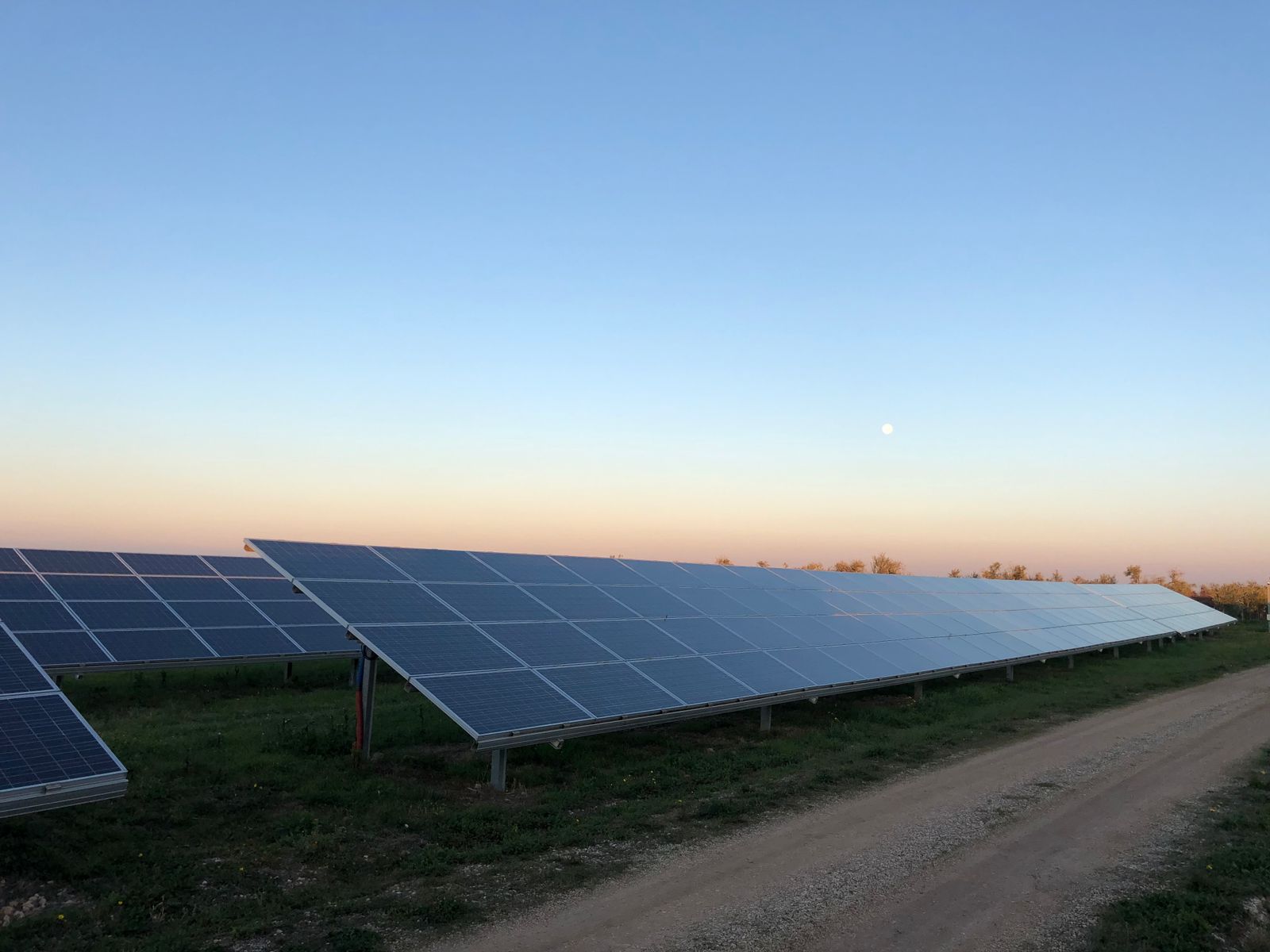
How to Keep Solar Spotlights Working in Freezing Weather & Snow
Many homeowners believe freezing winter temperatures ruin solar outdoor lights or destroy their batteries. In reality, sub-zero cold does not destroy quality lithium-ion solar lights—snow build-up and low winter sun angles do. Keep solar spotlights working in freezing weather by tilting panel heads to 50°–60° South, clearing snow with a soft microfiber cloth, and switching 74-LED fixtures to Warm White mode to guarantee 6–14 hours of continuous night illumination.
Winter Solar Spotlight Survival Roadmap (Late Autumn to Early Spring)
- Late October (Pre-Freeze Prep) — Wipe solar panels clean of pollen and dust. Adjust the 120-degree adjustable head upward to a 50°–60° southern slope to catch low-horizon sun.
- November (First Heavy Frost) — Inspect IP65 rubber seals around the battery casing. Pre-drill pilot holes if moving ground stakes before the lawn freezes solid.
- December–January (Peak Snow & Deep Freeze) — Switch lighting mode from Cool White to Warm White to conserve energy and achieve up to 14 hours runtime. Sweep off panel snow after every snowfall.
- February (Sub-Zero Cold Snaps) — Verify wall-mounted and stake-mounted fixtures remain elevated above snow drifts. Check panel surfaces for ice crusting.
- March (Early Spring Transition) — Re-adjust head tilt down to 30°–40° as the sun climbs higher. Deep clean panels with warm water and soft microfiber cloth.
Winter Maintenance Schedule for Outdoor Solar Landscape Lights
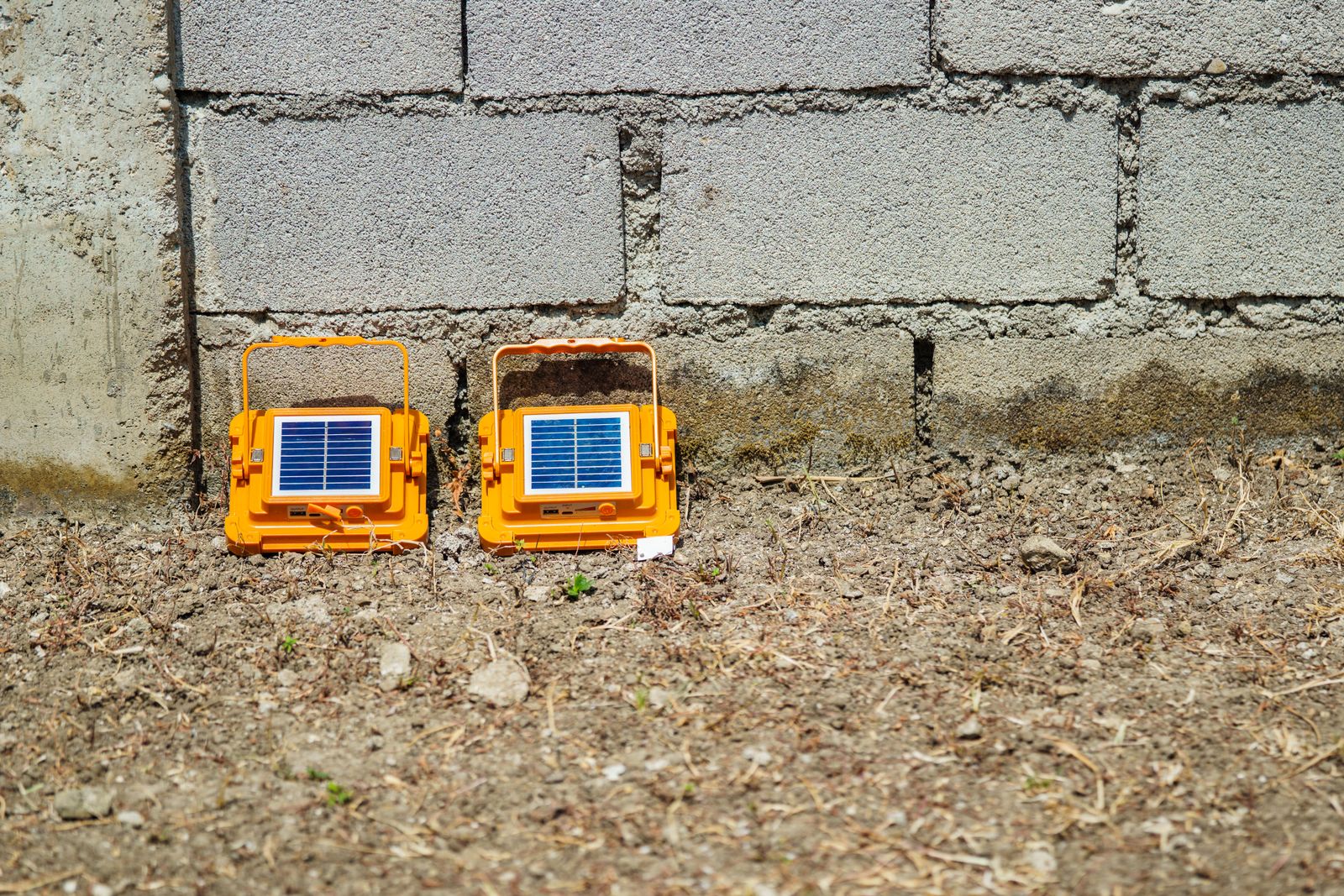
Photo by Nothing Ahead on Pexels
- Weekly Maintenance — Inspect solar panels for dust, road salt residue, or light snow crust; wipe gently with a soft dry microfiber cloth.
- After Every Snowstorm — Brush off accumulated snow from panel lenses using a soft cloth or foam car brush within 12 hours of snowfall.
- Monthly Routine — Verify panel tilt angle and direction (South-facing, 50°-60° angle) to compensate for shifting winter solar paths.
- Bi-Monthly Check — Examine IP65 seal points and mounting hardware to ensure ice expansion hasn't loosened wall brackets or stake joints.
Neighborly Advice: Installing Ground Stakes in Rock-Hard Frozen Lawn Soil
Here is a practical trick I share with all my neighbors every autumn: never force or hammer plastic ground stakes directly into frozen winter soil! Doing so will snap the mounting spike instantly. Instead, take a 12-inch masonry drill bit or a long flathead screwdriver and tap it gently into the frozen turf with a rubber mallet to create a pilot hole. Pour a cup of warm water into the hole to soften the surrounding soil, insert your spike, and tamp down the loose earth. Alternatively, take advantage of 2-in-1 mounting hardware and move your solar spotlights off the frozen lawn onto deck posts, fence rails, or exterior house walls using included mounting screws.
Winter Solar Spotlight Troubleshooting Matrix
| Symptom / Criteria | Root Cause | Direct Fix / Solution |
| --- | --- | --- |
| Spotlight turns off after 1–2 hours at night | Insufficient daytime sunlight or battery drain from high-power mode | Switch mode from Cool White (600LM) to Warm White (low energy draw, up to 14hrs). Clear panel snow and tilt head 55° South. |
| Light fails to turn on at night | Snow covering panel, light sensor obstructed, or deep battery discharge | Gently brush snow off panel face. Ensure no external porch light shines on dusk-to-dawn sensor. |
| Frost or moisture inside light lens | Damaged gasket or loose seal exposed to freeze-thaw expansion | Check IP65 rubber sealing ring. Bring unit indoors for 24 hours to dry, then tighten housing screws securely. |
| Ground stake loose or leaning over in snow | Ground freeze-thaw cycles shifting loose soil around stake base | Re-anchor stake in pilot hole filled with crushed gravel, or switch fixture to wall-mount configuration. |
When cold weather disrupts your outdoor landscape lighting, use this diagnostic guide to isolate root causes and restore full night brightness.
Regional US Winter Solar Spotlight Care Calendar
| US Geographic Region | Key Winter Climate Factor | Recommended Panel Angle | Optimal Lighting Mode |
| --- | --- | --- | --- |
| Northern US (Zone 4-5) - ME, NY, MI, MN, ND | Heavy snow, frequent sub-zero snaps, 3-4 hrs peak sun | 55° – 65° South Angle | Warm White Mode (14-hr runtime) |
| Central US (Zone 6-7) - PA, OH, IL, MO, CO | Moderate snow, frequent freezing rain, 4-5 hrs peak sun | 50° – 55° South Angle | Warm White or Natural White Mode |
| Southern US (Zone 8-10) - NC, GA, TX, AZ | Mild frost, occasional freezes, 5-7 hrs peak sun | 40° – 50° South Angle | Cool White or Natural White Mode |
| Mountain West - MT, WY, ID, UT | Deep snow drifts, extreme cold, intense sun days | 60° – 65° South Angle | Warm White Mode (elevated wall mount) |
Solar spotlight performance varies significantly depending on your US geographic region and winter sun access.
Frequently Asked Questions About Winter Solar Spotlights
Common questions homeowners ask about keeping solar landscape lights operational during sub-zero winter weather.
Mid-Page Action Plan: Winterizing Your Lighting
Your decision: Determine whether your landscape conditions require wall mounting above deep snow drifts or adjusting ground stake panel heads to a 60-degree southern angle.
Do this next: Clear accumulated snow from panels with a soft microfiber cloth, adjust the 120-degree panel head to 55-60° South, and select Warm White mode for max energy efficiency.
- Read next: Winter vs. Summer Solar Spotlight Placement: Adjusting Your 120-Degree Panel Angle
- Read next: How to Maximize Solar Spotlight Battery Life in Winter
Nacinic 74-LED Solar Spot Light with 3 Color Modes & IP65 Weatherproofing
Ready to prepare your outdoor landscape lighting for winter? Follow this quick action plan.
Key Takeaways for Cold-Weather Solar Performance
- Sub-zero cold does not ruin lithium-ion solar spotlights; uncleaned snow cover and low sun angles cause runtime loss.
- Tilt panel heads up to 50°–60° facing South to catch low winter sun paths and shed snow naturally.
- Switch lighting modes to Warm White to reduce battery drain and achieve up to 14 hours of night illumination.
- Utilize 2-in-1 mounting flexibility: convert ground stakes to wall mounts to elevate lights above snow drifts.
- Polycrystalline panels with 20% conversion efficiency generate strong power even on cold, clear winter days when free of snow.
Winter Lighting Modes Compared: Cool White vs Warm White vs Natural White
| Criteria / Lighting Mode | Cool White Mode (6500K) | Natural White Mode (4500K) | Warm White Mode (3000K) |
| --- | --- | --- | --- |
| Estimated Winter Runtime | 6 – 8 Hours | 8 – 10 Hours | 10 – 14 Hours |
| Snow Surface Reflection | High glare; stark blue-white contrast | Balanced daylight look on white snow | Soft amber glow; reduces harsh ice glare |
| Battery Energy Conservation | Standard energy draw | Moderate energy draw | Maximum battery energy conservation |
| Best Application in Winter | Security lighting near driveways & wall perimeters | Pathway lighting and garden features | Landscape foliage, architectural walls, & stone entryways |
Selecting the correct color temperature mode directly impacts both winter night runtime and winter landscape visual appeal.
Ground Stake vs. Wall Mount: Best Winter Placement Decisions
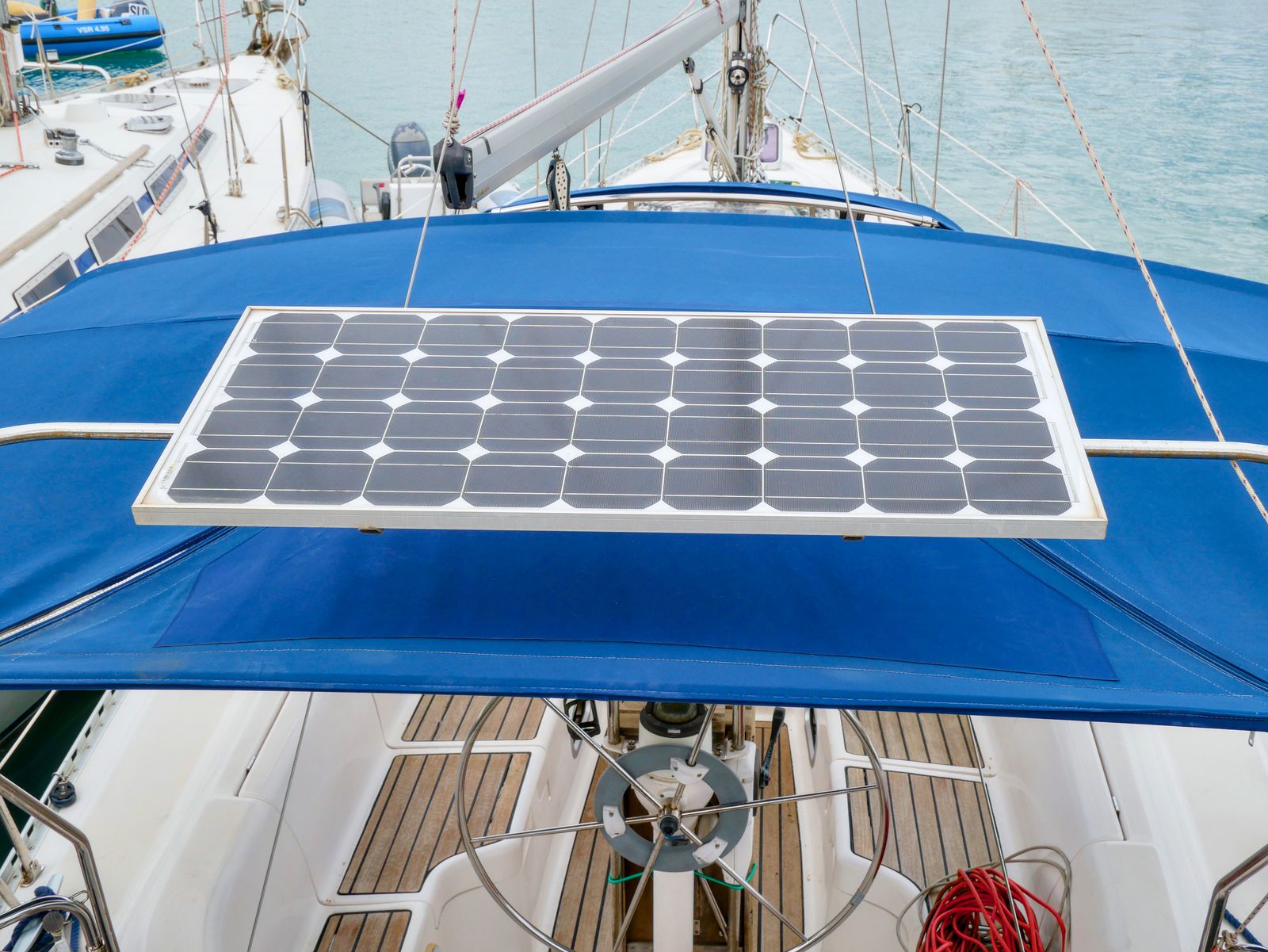
Photo by Lena Netkach on Pexels
Select wall mounting for heavy snowfall zones and frozen ground; choose ground stakes for flexible shrubbery and pathway accent lighting in mild winter zones.
Best choice for
- Wall Mounting — Elevates solar panels above snow drifts and attaches securely to deck posts or house walls without digging into frozen turf.
- Ground Stake Installation — Allows quick angle tweaks and mobility to reposition spotlights as winter sun shadows shift across garden beds.
- Do not insert plastic ground stakes directly into un-drilled frozen soil without a pilot hole.
- Do not wall-mount panels beneath roof overhangs or gutter drop lines where icicles and heavy snow runoff accumulate.
- Deck Rail Bracket Mounting — Provides elevated sun exposure without drilling into home siding while keeping fixtures high above snow accumulation.
Technical Spec Matrix: Nacinic Weatherproof Solar Spotlights
| Technical Specification | Hardware Rating | Winter Performance Benefit |
| --- | --- | --- |
| LED Count & Luminance | 74 LEDs / 600 Lumens | Delivers high-visibility landscape and security lighting through long winter nights. |
| Solar Panel Type | Polycrystalline Silicon (20% Efficiency) | Converts low-intensity winter sunlight efficiently to maximize battery charge. |
| Waterproof Rating | IP65 Weatherproof & Frostproof | Seals internal components against ice accumulation, freezing rain, and snow melt. |
| Panel Adjustability | 120-Degree Adjustable Head | Allows steep tilt angles (50°-60°) to align directly with low southern winter sun. |
| Installation Versatility | 2-in-1 Ground Stake & Wall Mount | Enables quick mounting transition from frozen soil to elevated exterior walls. |
| Lighting Color Options | 3 Modes (Cool / Warm / Natural) | Allows switching to power-saving Warm White mode for extended 14-hour runtime. |
How key hardware specifications perform during cold winter conditions.
US Regional Winter Sun Angle & Tilt Guidance
During winter in the United States, the earth's axis tilts away from the sun, causing the sun to travel across a much lower arc in the southern sky. To maximize solar absorption on polycrystalline solar panels with 20% conversion efficiency, homeowners must adjust their spotlight's 120-degree head tilt based on their geographic latitude.
Latitude Tilt Calculation Rule
To calculate your optimal winter solar tilt angle, take your local latitude in degrees and add 15 degrees. Point the solar panel face directly South.- Northern Tier (Latitude 42°N - 48°N - Minneapolis, Chicago, Boston): Set panel tilt angle to 57° - 63° South. This steep angle prevents snow accumulation on the panel face while capturing low southern sun rays.
- Central Tier (Latitude 35°N - 41°N - Denver, St. Louis, Washington D.C.): Set panel tilt angle to 50° - 56° South. This optimizes daily charge during short 9-hour winter daylight spans.
- Sunbelt Tier (Latitude 25°N - 34°N - Dallas, Atlanta, Phoenix): Set panel tilt angle to 40° - 49° South. Excellent solar irradiance allows full charge even in cool weather.
Winter Solar Spotlight Survival Checklist
- [ ] Wipe panel surface clean of autumn dirt, pollen, and leaves using water and a microfiber cloth.
- [ ] Adjust panel tilt head to winter angle (Local Latitude + 15 degrees, typically 50°-60° South).
- [ ] Inspect IP65 rubber seals around battery compartment and lens casing for trapped debris.
- [ ] Elevate ground-staked lights to wall-mount position if local snow drifts routinely exceed 6 inches.
- [ ] Switch lighting mode to Warm White or medium brightness to optimize winter battery runtime.
- [ ] Prune low-hanging evergreen branches casting long winter shadows across the solar panel face.
Further Solar Care & Seasonal Lighting Guides
Explore more expert advice on maintaining outdoor solar landscape fixtures year-round:
- Winter vs. Summer Solar Spotlight Placement: Adjusting Your 120-Degree Panel Angle — Learn exact seasonal positioning strategies for year-round illumination.
- How to Maximize Solar Spotlight Battery Life in Cold Climates — Deep dive into lithium-ion cell care, discharge prevention, and winter storage tips.
- Understanding IP65 Waterproof & Weatherproof Ratings for Landscape Lighting — Discover how ingress protection seals defend fixtures from ice, frost, and driving rain.
Recommended All-Weather Solar Spotlights for Winter
When selecting outdoor lights that survive harsh winter conditions, durability, waterproofing, and efficiency are essential. Nacinic Outdoor Solar Spot Lights are engineered with 74 high-power LEDs outputting 600 lumens, powered by high-efficiency polycrystalline solar panels (20% energy conversion rate). Featuring 3 customizable color temperature modes (Cool White, Warm White, Natural White), IP65 waterproof casing, a 120-degree adjustable panel head, and 2-in-1 ground stake or wall mount hardware, these fixtures deliver 6 to 14 hours of continuous night light even through sub-freezing snowstorms.
Next Steps: Keep Your Landscape Bright All Winter Long
Your decision: Choose whether to wall-mount your fixtures above snowlines or adjust stake panel angles to 60° South for peak winter solar absorption.
Do this next: Inspect your outdoor spotlights today: clear off dirt, set the panel head tilt to 55°–60° South, and select Warm White mode for reliable 14-hour illumination.
- Read next: Winterizing Solar Outdoor Spotlights Guide
- Read next: Seasonal Solar Light Angle Adjustment Guide
Nacinic 74-LED IP65 Weatherproof Solar Spot Light with 120-Degree Adjustable Head
Don't let cold weather leave your driveway, walkways, or garden in the dark. Take action today to winterize your outdoor lighting.
Cover photo by Diego Vivanco on Pexels.