Troubleshooting Off-Grid Solar Lights: How to Optimize Panel Angles and Maximize Nighttime Runtime
Troubleshooting off-grid solar lights starts with the panel, not the LEDs. To optimize panel angles and maximize nighttime runtime, point the 1.5W–2W polycrystalline glass at the sky, steepen it in winter, flatten it in summer, and wipe film off the face. A 120-degree adjustable head lets the 600-lumen beam stay on the tree or facade while the collector moves. Nighttime runtime from a 2000 mAh pack is yesterday’s sun. If dusk-to-dawn dies at 10 p.m., fix angle and shade before you shop a new kit. Off-grid means you are the utility.
The angle checklist that replaces guesswork
Hold the lamp. Move the glass. South in the northern hemisphere. Steeper when the sun is low. Flatter when noon is high. If snow slides off, winter angle is close. If the panel stares at mulch, the stake leaned—reset 4–6 inches.
Optimize panel angles even when the beam already looks pretty. Pretty at 8 p.m. is not maximized nighttime runtime. Walk at 11. Off-grid solar lights that fail only late are charge-limited, not LED-limited.
Shade, dirt, and other runtime thieves
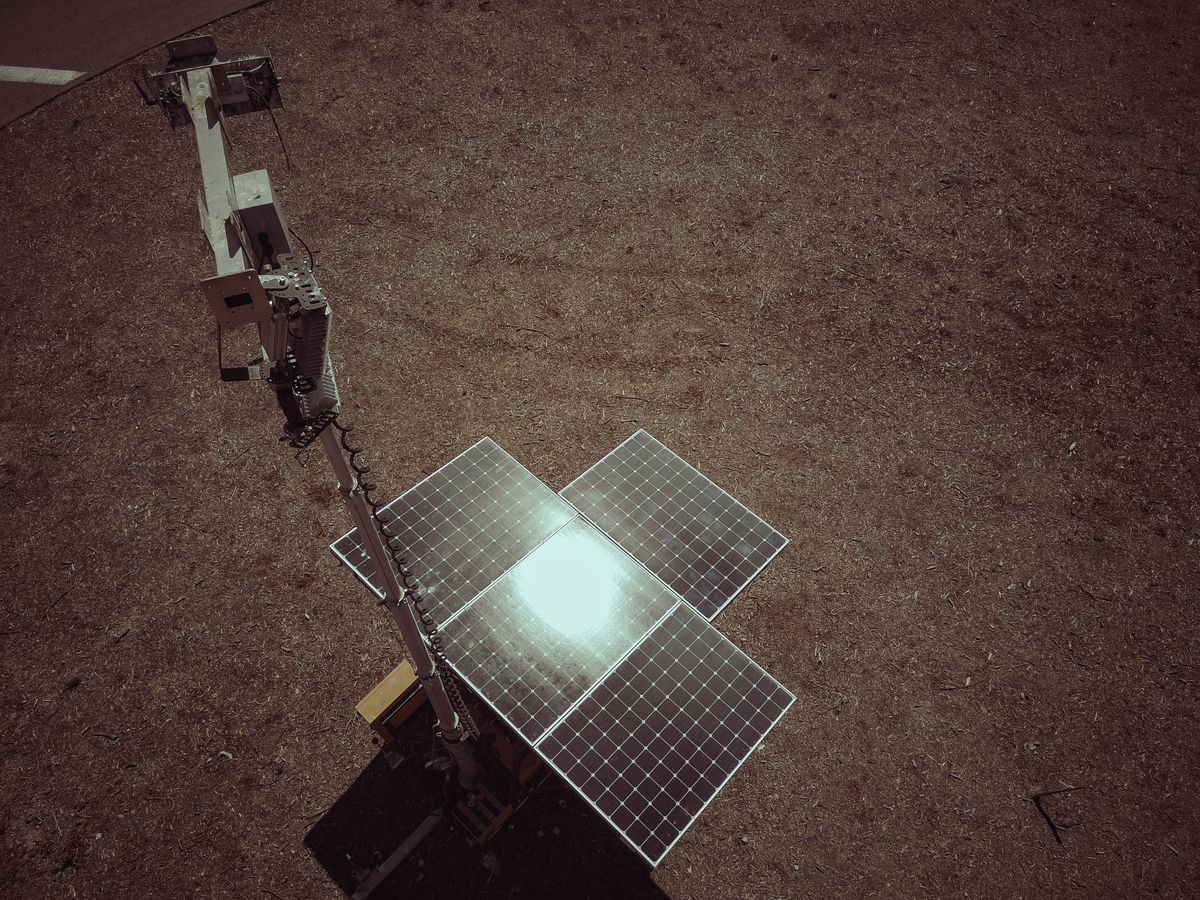
Photo by Kindel Media on Pexels
Drip lines, north eaves, pollen, sprinkler spots, and taped sensors all cut hours. IP65 will not wipe the glass for you. 74 LEDs will spend an empty pack cheerfully. Maximize solar spotlight battery life by making the refill automatic: sun, tilt, cleanliness.
Swap a weak head with a strong one. If the weakness stays on the brick, troubleshooting found a place. If it travels, reseat the gasket and give a full-sun charge away from the house.
What “maximize nighttime runtime” is not
It is not taping the photocell so the lamp cooks at noon. It is not stacking extra 600-lumen heads in the same shadow. It is not a cooler color mode. It is geometry. Wall-mount with a 1/4 inch bit if the sunny surface is a fence. Aim back at the dark path. Install remains $0 DIY. Operating down to about -4°F still wants a full pack at sundown.
Runtime troubleshooting: angle vs site vs hardware
| Symptom | Optimize this first | Then this | | --- | --- | --- | | Dies by 10 p.m. | Panel angle to south sky | Move out of shade; wipe glass | | Fine in June, weak in January | Steepen 120-degree winter tilt | Brush snow; avoid eaves | | One head weak | Swap locations | Reseat IP65; full charge | | Beam pretty, pack empty | Split aim: lamp vs glass | 6–10 ft restake | | Always dead in that corner | That site is not off-grid | Sunny fence, aim back—or skip | | Want guaranteed hours | Solar cannot invent sun | Wired on that one run |
Aim, placement, and charging checklist
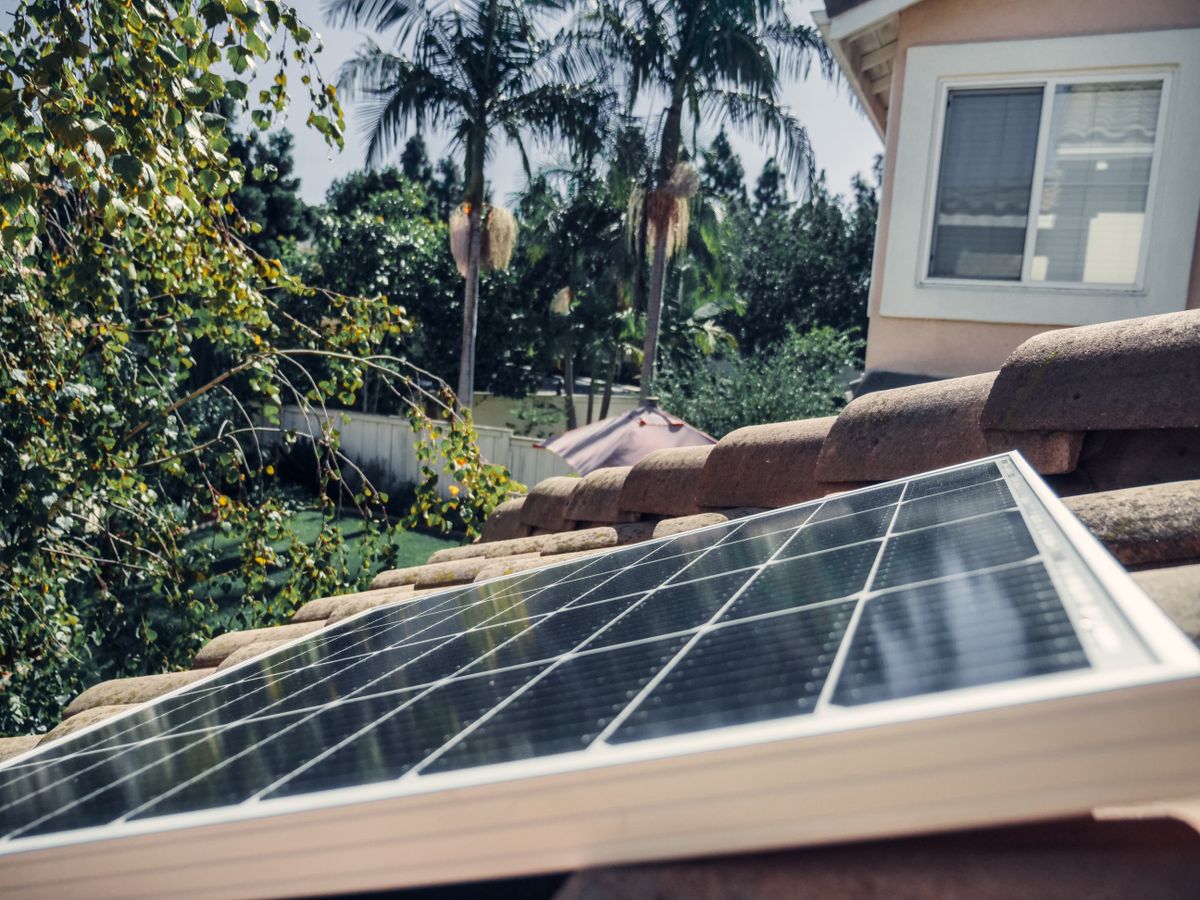
Photo by Kindel Media on Pexels
- [ ] Optimize panel angles: south, seasonal tilt, snow-shedding in winter.
- [ ] Keep the 600-lumen beam on the subject at 6–10 feet while the glass moves.
- [ ] Wipe the 1.5W–2W face; dirt is a runtime bug.
- [ ] Reset 4–6 inch stakes so angles do not drift into mulch.
- [ ] Wall-mount 1/4 inch on the sunny structure if the bed is shade.
- [ ] Charge 2000 mAh packs a full clear day after any troubleshooting change.
- [ ] Swap fixtures to separate site from lamp.
- [ ] Never tape the dusk sensor to “maximize” hours.
Frequently asked questions
How do I optimize panel angles without ruining the uplight?
Use the 120-degree joint as two controls. Lock the beam on the tree or facade, then tilt only the glass. If they will not split, relocate the fixture.
What nighttime runtime should troubleshooting aim for?
Dusk-to-dawn after a full charge. Maximize the typical night. Storm weeks will still shorten off-grid solar lights; recover on the next clear day.
Can I maximize runtime with a higher lumen light?
No. 600 lumens is output. Runtime is the 1.5W–2W panel plus the 2000 mAh pack. Shade does not care about stickers.
Does cool white shorten nighttime runtime?
Not in a way that beats a bad angle. If cool looks weaker at 11 p.m., check sun and dirt.
When do I stop troubleshooting and replace the pack?
When a sunny, clean, well-angled fixture still fades after years. Not after the first dirty week under a maple.
Related reading
- how solar spot lights work when runtime is short
- how dusk to dawn solar spot lights operate
- FAQ on charging if nighttime runtime collapses
- winter guide when you need to maximize hours
What to do next
Tonight, note which off-grid solar light dies first. Tomorrow, optimize that panel angle toward south sky, wipe it, and charge a full day. If nighttime runtime stretches, you maximized hours without a new product. Copy the angle. Leave the shady corner empty.