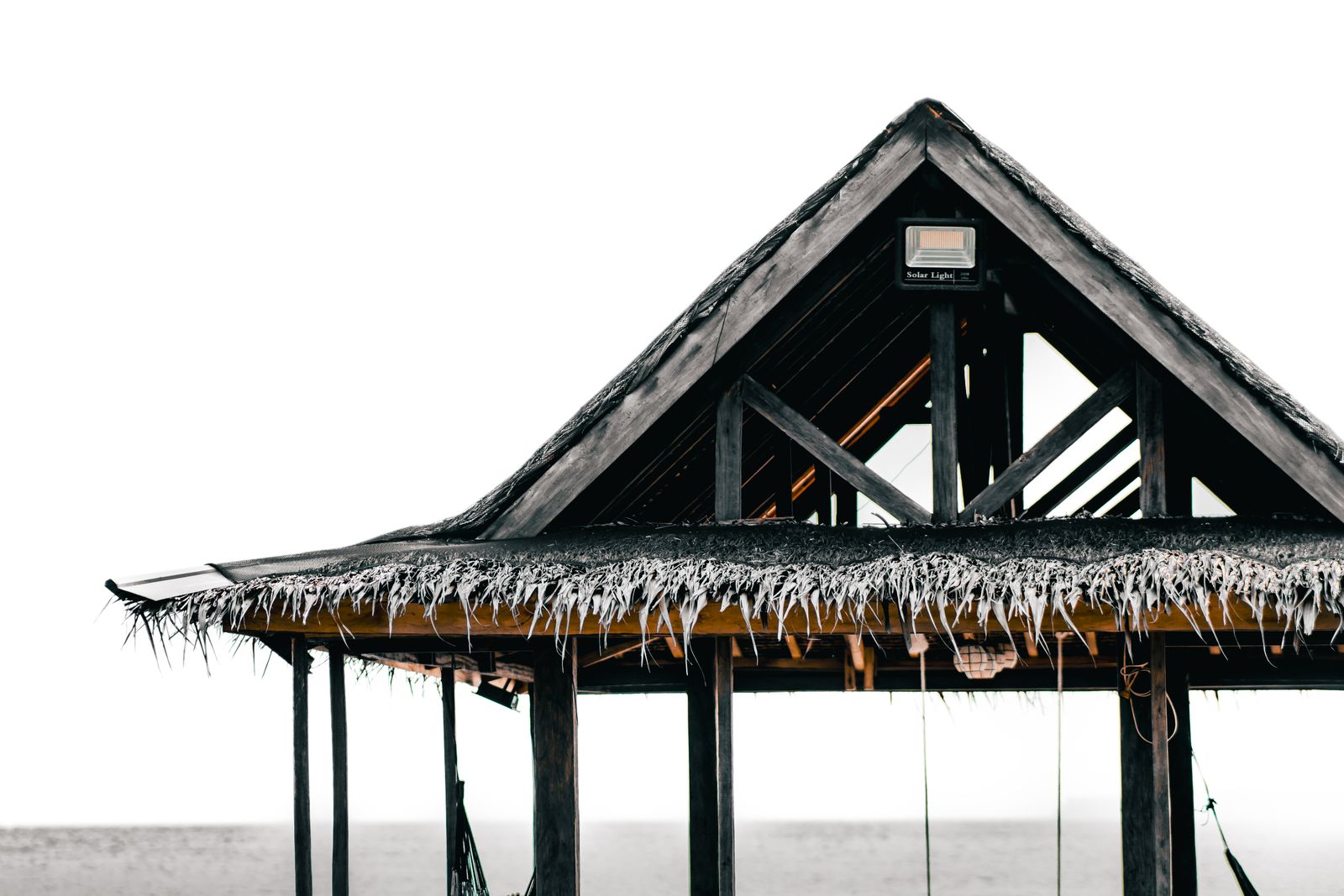
Solar Spotlight Battery & Efficiency FAQ: Charging Times, Runtimes, and Seasonal Care
This solar spotlight battery and efficiency FAQ covers charging times, runtimes, and seasonal care in one place. A 1.5W–2W, 20% polycrystalline panel wants a full clear day to fill a 2000 mAh pack. Runtime is then dusk-to-dawn if the 120-degree glass stayed in sun. Seasonal care is tilt, snow, pollen, and not parking the fixture under July leaves. Efficiency is not a new lumen number. Charging time in shade is “never done.” Keep 600-lumen heads 6–10 feet from the subject so you are judging a charged lamp, not a hotspot.
Charging times: what a “full day” means
Charging times depend on beam hours, not clock hours in open shade. A clear afternoon on a south-facing 1.5W–2W face is a full charge. A bright gray day is a partial. A north eave is a shrug. First-night factory leftovers can fake a good runtime once.
If someone asks “how long to charge,” the honest battery answer is: until the panel has had several hours of direct sun. Put the switch to dusk-to-dawn after that, not during the first morning on the porch floor.
Runtimes and the efficiency story
Photo by ervin.fon Trichev on Pexels
Runtimes shrink when efficiency is wasted: dirty glass, flat winter panels, leaned stakes, irrigation spots. 74 LEDs at 600 lumens will spend whatever you stored. Warm vs cool does not rewrite the pack. IP65 keeps rain out so the 2000 mAh cell is not a chemistry science project.
Short runtime after a sunny day is a placement bug. Short runtime after a storm week is weather. Seasonal care is how you tell them apart.
Seasonal care without turning it into a hobby
Spring: wipe pollen. Summer: flatten tilt, cut back shrubs, move off new shade. Fall: watch leaf drop onto glass. Winter: steepen the 120-degree panel, brush snow, remember about -4°F is fine if the pack started full. Install stays $0 DIY; you are allowed to move things. That is the FAQ most batteries wish you would follow.
Charging times vs runtimes vs seasonal care
| Topic | Good battery / efficiency habit | What shortens the night | | --- | --- | --- | | Charging times | Full clear day on 1.5W–2W south glass | Shade, indoor first night, dirty face | | Runtimes | Dusk-to-dawn after that charge | Empty pack, glare aims, extra shaded heads | | Seasonal care | Tilt, wipe, snow brush, shrub trim | One summer angle all year | | Cold | Charged pack down to about -4°F | Empty pack in a freeze | | Weatherproofing | IP65 seals seated | Opened housing, standing water | | Wired comparison | No pack to care for; monthly bill | You skipped solar’s only chores |
Aim, placement, and charging checklist

- [ ] Treat charging times as sun hours on the 1.5W–2W panel, not as a timer.
- [ ] Place 6–10 feet from trees and facades; panel out of drip lines.
- [ ] Stake 4–6 inches so seasonal care is not “pick it out of the mud.”
- [ ] Steepen in winter; flatten in summer on the 120-degree head.
- [ ] Wipe pollen and snow; that is efficiency maintenance.
- [ ] Judge runtimes only after a documented full charge.
- [ ] Keep dusk-to-dawn on; do not tape the sensor.
- [ ] Move the worst winter performer before you replace the 2000 mAh pack.
Frequently asked questions
How long are typical solar spotlight charging times?
Plan a full clear day of direct sun on the 1.5W–2W panel. That fills a 2000 mAh pack under honest placement. There is no honest 20-minute number in the shade.
What runtimes should I expect in summer vs winter?
Summer nights are shorter and easier. Winter runtimes need seasonal care: steep tilt, clear snow, south glass. Dusk-to-dawn is the design; weather still edits it.
Does a higher efficiency rating cut charging times in half?
Not on a small landscape panel, and not if you ignore sun. 20% polycrystalline is the class here. Placement dominates.
What seasonal care actually matters?
Tilt, cleanliness, and not letting shrubs eat the sky. You do not need to bring IP65 fixtures indoors for a frost if the pack is charged.
When is the battery actually done?
After years of cycles, and only after this FAQ’s charging and placement items are clean. A tired cell in a sunny spot fades slowly; a good cell in shade dies every night.
Can I charge faster by pointing the lamp at the sun too?
Point the panel at the sun. Point the lamp at the tree. If you point both at the sun you get a bright yard in daylight and a dark facade at night.
Related reading
- FAQ on solar spot lights charging and maintenance
- how solar spot lights work with small batteries
- how dusk to dawn runtimes actually operate
- winter seasonal care guide for solar spotlights
- solar spotlight moisture troubleshooting if you opened a housing
What to do next
Write three lines on a tape on the fixture: last full-sun charge, last wipe, last tilt change. That is battery and efficiency seasonal care. If runtimes are still short after a real charging day, move the 1.5W–2W panel before you shop a new pack.
Cover photo by Jeric Turga on Pexels.