Polycrystalline vs. Monocrystalline Solar Spotlights: What Efficiency Rating Do You Really Need?
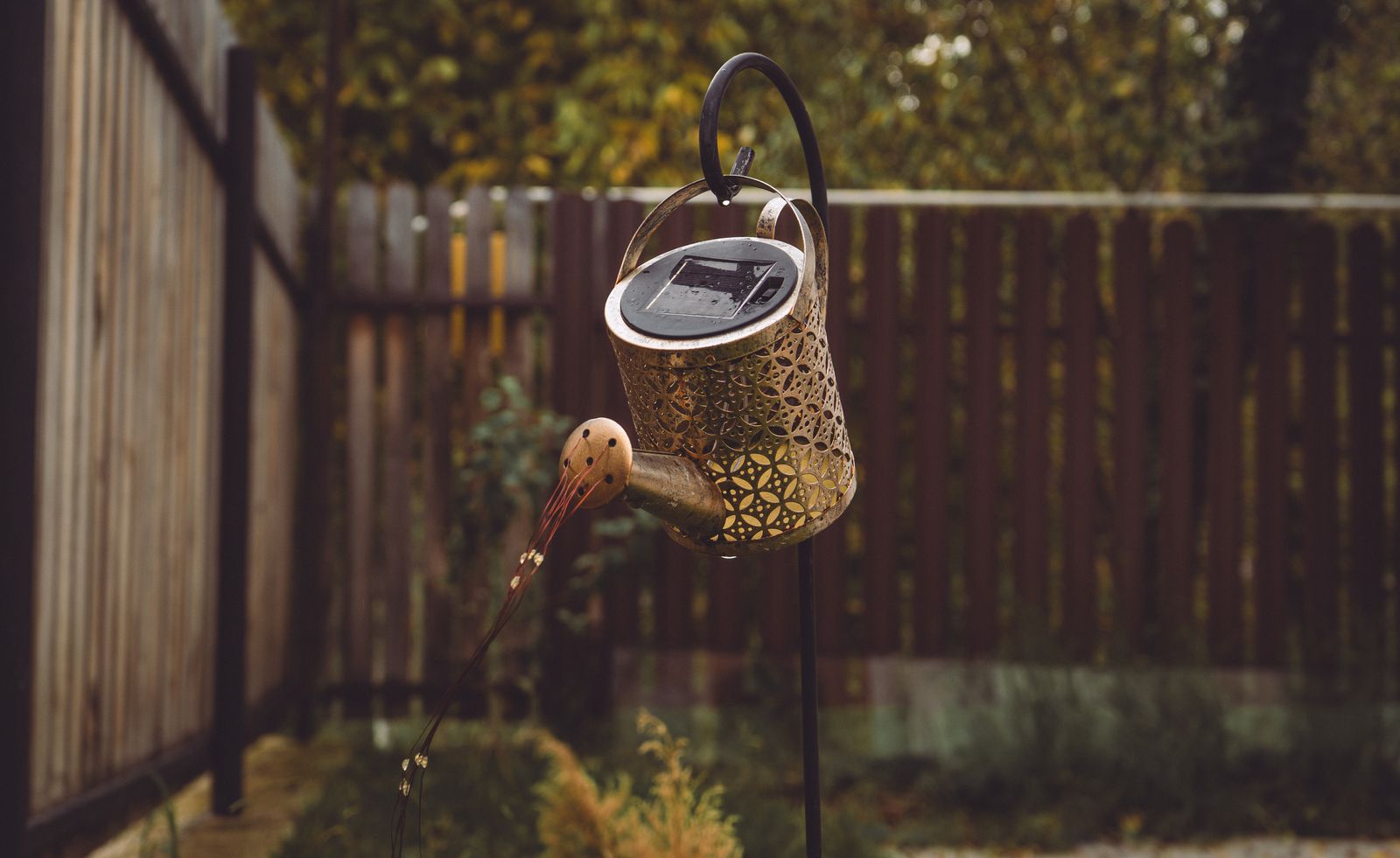
Polycrystalline vs monocrystalline solar spotlights is an efficiency-rating argument that usually matters less than shade. You really need a panel that sees sun, not a rooftop-grade cell on a 600-lumen garden head. These outdoor solar spot lights use 20% high-efficient polycrystalline silicon at 1.5W–2W, which is the right class for dusk-to-dawn from a 2000 mAh pack when you aim the 120-degree face at the sky. Monocrystalline can be more efficient per area on big arrays. On a small spotlight, placement, dirt, and winter tilt still decide runtime.
What the two crystal stories actually mean
Monocrystalline cells are cut from a single crystal and often show a uniform dark look. They can squeeze more power from a given rectangle—useful on a tight roof. Polycrystalline cells are melted fragments, often a blue speckled face, and they are the workhorse on compact landscape lights. A 20% efficiency rating on a 1.5W–2W poly panel is already in the “high-efficient” class for this job.
You really need enough watt-hours by dusk to run 74 LEDs at 600 lumens through the night. That is hours of beam on whatever chemistry you bought. A shaded mono panel loses to a sunny poly panel every time.
Efficiency rating vs the 120-degree real world
Photo by Irina Iriser on Pexels
Ratings are lab angles. Your driveway is not. If the glass points at the facade, both crystal types look “weak.” Split the joint: beam on trees, flags, or house walls at 6–10 feet, panel on south sky. Steepen in winter. Wipe pollen. IP65 keeps water out of the box; it does not raise 20% to 30%.
Install is $0 DIY either way. Do not pay a premium for a crystal buzzword if the stake will sit under a maple.
When monocrystalline is worth a thought
If you truly have only a tiny sunny patch—maybe a sliver of fence—the more efficient cell can help that sliver. If you have a normal south bed, polycrystalline solar spotlights are what you need. Match color modes and mounts (stake 4–6 inches or 1/4 inch wall) the same as any other 2-in-1 kit. Operating down to about -4°F is a battery-and-seal story, not a crystal story.
The efficiency rating you really need is the one you can keep clean and pointed at the sky. A 20% panel in sun beats a higher-rated cell aimed at mulch. Buy for 2-in-1 mounting and a 120-degree joint first; shop crystal type last, if at all.
Polycrystalline vs monocrystalline vs placement
| Factor | Polycrystalline (this class) | Monocrystalline (typical arrays) | | --- | --- | --- | | Look | Blue, speckled cells | Uniform dark cells | | Efficiency rating | About 20% high-efficient here | Often higher per area on roofs | | Panel size on a spotlight | 1.5W–2W is enough in sun | Helps only if the patch of sun is tiny | | Cost / complexity | Right for $0 DIY landscape kits | Worth it on tight roofs, not most yards | | What you really need | Sun hours + clean glass + tilt | Still sun hours + clean glass + tilt | | Fails when | Drip line, north eave, snow hat | Same failures, prettier cells |
Aim, placement, and charging checklist
Photo by Mohannad Sadek on Pexels
- [ ] Ignore crystal marketing until the site has real sun patches.
- [ ] Face the 1.5W–2W panel south; 6–10 feet from the subject.
- [ ] Use the 120-degree head so efficiency is not wasted on a wall-aimed glass.
- [ ] Stake 4–6 inches or wall-mount 1/4 inch on the sunny structure.
- [ ] Wipe the face; dirt lowers any efficiency rating.
- [ ] Steepen winter tilt; both poly and mono hate glancing low sun.
- [ ] Charge 2000 mAh packs a full day before comparing chemistries.
- [ ] If runtime is short, move the panel before you shop a different crystal.
Frequently asked questions
Do I really need monocrystalline solar spotlights?
Usually no. A 20% polycrystalline panel at 1.5W–2W is the efficiency rating this landscape job needs if it sees sun. Mono is a roof conversation more than a garden-stake conversation.
Is 20% efficiency “low”?
For a small spotlight panel it is called out as high-efficient. The wasted energy in yards is shade, not the missing rooftop percent.
Will poly last in rain and frost?
IP65 housing and a pack that can take about -4°F matter more than crystal type. Keep seals seated and snow off the glass.
Can I mix poly and mono heads in one yard?
You can mix mounts and color modes more usefully. Crystal mixing will not be the thing people notice; uneven aim will.
Does a higher efficiency rating mean 600 lumens gets brighter?
No. Lumens are the LEDs. Efficiency is how fast the 2000 mAh pack refills. Brightness at 8 p.m. can look the same while midnight differs.
Related reading
- how solar spot lights work including the panel
- commercial grade solar spot lights comparison
- complete outdoor solar spot lights guide
- FAQ on charging and panel care
What to do next
You really need sun on a 20% polycrystalline 1.5W–2W panel, not a monocrystalline lecture. Walk the yard, pick the honest south patch, split beam and glass on the 120-degree head, and charge a day. If runtime is still short, move that panel. Do not shop a different crystal for a shady maple.
Cover photo by Gurgenidze G on Pexels.