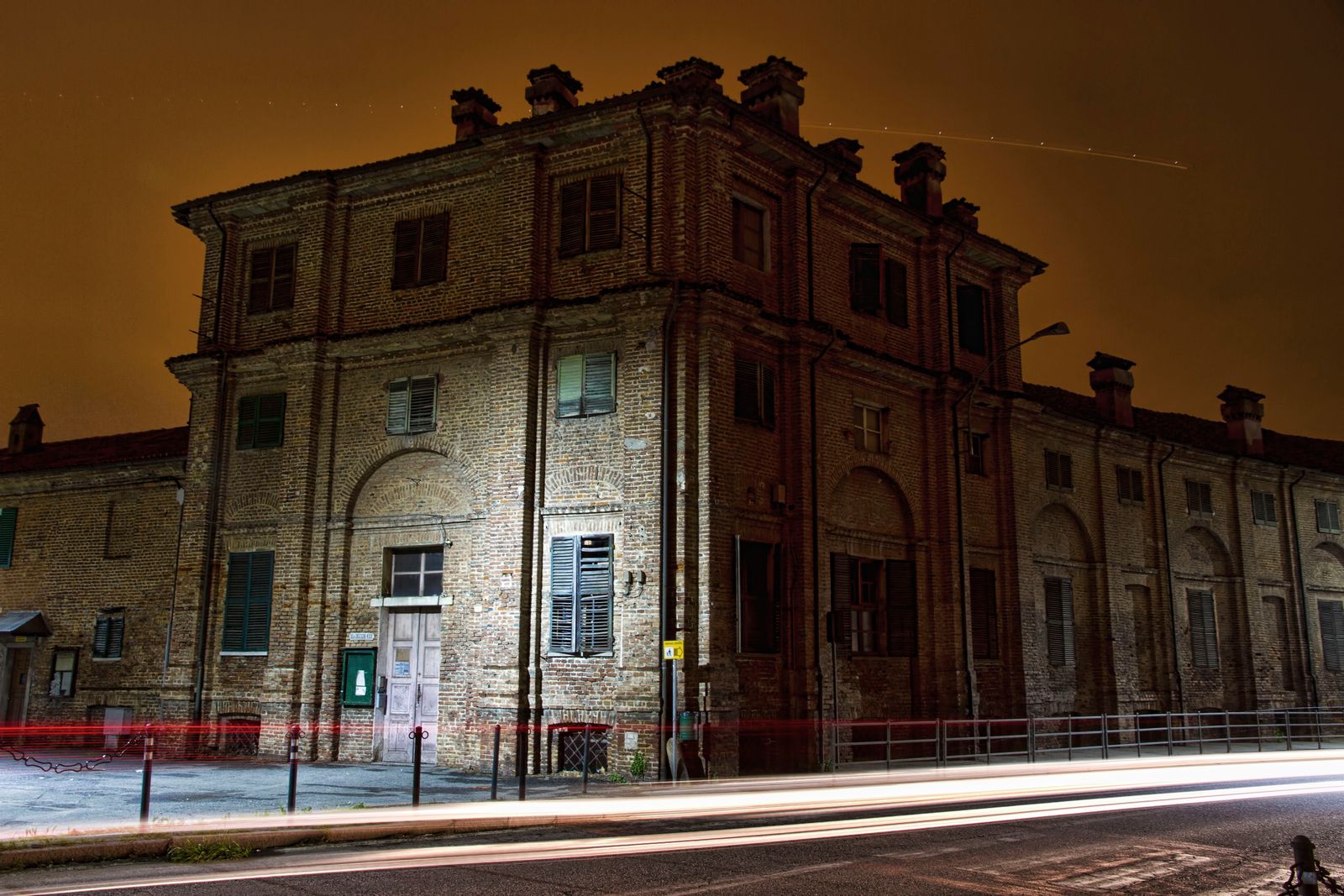
Facade Solar Spotlight Placement Guide: Angles, Distance & Color Modes
Many homeowners assume solar spotlights should sit flat against the building foundation, but placing fixtures 1.5 to 3 feet away angled at 30° to 45° creates optimal architectural illumination. Match color modes to wall materials—3000K Warm White for brick, 4000K Natural White for siding—and tilt solar panels 120° toward direct daylight away from roof eave shadows.
Foundation Setback & Beam Angle Visual Guide
Proper placement requires coordinating three critical elements: ground stake distance from foundation, light head tilt angle, and solar panel rotation relative to roof eaves.
Placement Strategies by Architectural Style & Facade Material
Photo by Kindel Media on Pexels
Textured Brick & Natural Stacked Stone — Use Wall Grazing. Place ground stakes 1.5 feet from the foundation and tilt light heads to 30°. Select 3000K Warm White mode. The close beam grazes across uneven surfaces, highlighting natural mortar lines, depth, and organic texture.
Smooth Vinyl, Fiber Cement, or Aluminum Siding — Use Wall Washing. Set fixtures back 2.5 to 3 feet from the wall and angle light heads upward at 45° to 50°. Select 4000K Natural White mode to distribute a continuous, gentle sheet of light across wide horizontal lap panels without creating localized hot spots.
Two-Story Architectural Columns & Pilasters — Use Narrow Column Accenting. Position fixtures 2 feet back from column bases directly aligned with the center axis. Angle beam upward at 60°. Set to 4000K Natural White or 6000K Cool White to accentuate vertical rise straight up to eave trim.
Dark Stucco or Dark Trim Accents — Use High-Contrast Uplighting. Set fixtures 2 feet back angled at 40°. Select 6000K Cool White mode. Dark pigment materials absorb light rapidly; cool crisp illumination ensures crisp architectural definition at night.
Different wall textures and architectural features require customized setback distances and lighting angles to maximize dimensional shadows and avoid harsh glare.
Recommended Hardware: Nacinic Multi-Color 2-in-1 Solar Spotlights
Achieving balanced facade illumination requires versatile positioning options and reliable solar conversion. The Nacinic 3-Color Solar Spotlight provides the precise features required for architectural outdoor lighting:
- 74 High-Power LEDs (600 Lumens): Delivers bright, vivid accent light capable of reaching second-story eaves.
- 3 Adjustable Color Temperatures: Easily toggle between 3000K Warm White, 4000K Natural White, and 6000K Cool White to match your facade material.
- 120-Degree Articulating Solar Panel: Independent head adjustment lets you point the light beam at your wall while rotating the solar face toward direct sunlight.
- 20% Conversion Efficiency Polycrystalline Panel: Maximizes charge collection during daylight hours for continuous 6 to 14 hour night operation.
- 2-in-1 Installation Versatility: Insert securely into garden beds using reinforced ground stakes or wall-mount directly onto patio ledges with hardware included.
- IP65 Weatherproof Construction: Fully sealed against heavy rain, snow, wind, and freezing frost.
5 Critical Facade Lighting & Solar Panel Placement Errors
Avoid these common setup mistakes to preserve fixture battery life and maintain balanced landscape aesthetics across your front elevation.
Architectural Lighting Gallery: Visual Setback Comparison
Review these visual examples to identify how light spread and wall texture interaction change based on setback distance and selected lighting mode.
Your Action Plan for Installing Facade Solar Spotlights
Your decision: Choose the correct lighting technique (wall grazing vs. wall washing) based on your home's exterior texture and select your setback distance.
Do this next: Measure your foundation setback zone, clear away low grass, insert your 2-in-1 solar spotlights angled at 30°-45°, and adjust the solar heads south toward maximum daylight.
- Read next: Warm White vs. Cool White Solar Spotlights: Choosing the Right Color Mode
Nacinic 3-Color 2-in-1 Solar Spotlights (74 LED, 600 Lumens, 120° Adjustable Panel).
Follow these structured steps to position, angle, and program your outdoor solar lights for maximum curb appeal and reliable solar performance.
Essential Facade Lighting Rules at a Glance
- Setback Distance: Position fixtures 1.5 feet away for wall grazing on textured stone/brick, or 2.5–3 feet away for smooth siding wall washing.
- Tilt Angle: Maintain light beam tilt between 30° and 45° to project light evenly up wall elevations without creating window glare.
- Solar Panel Orientation: Utilize 120° panel articulation to tilt solar faces South toward direct daylight, clear of roof eave overhang shadows.
- Color Mode Selection: Pair Warm White (3000K) with earth tones/brick, Natural White (4000K) with siding, and Cool White (6000K) with dark grey stucco or accent trim.
- Versatile Mounting: Use ground stakes in landscape mulch beds or wall-mount using included screws on low brick ledges.
Printable Facade Lighting & Angle Field Sheet
- Measure foundation setback: 18 in (1.5 ft) for stone/brick, 30–36 in (2.5–3 ft) for siding.
- Clear grass, mulch, and debris from ground stake placement points.
- Insert ground stake vertically into ground until flange sits flush with soil.
- Loosen spotlight joint knob and tilt LED lens to 30°–45° pointing at target wall facade.
- Rotate 120° solar panel arm independently to face South at approximately 30° angle.
- Toggle power switch button to select color mode: Warm White (3000K), Natural White (4000K), or Cool White (6000K).
- Test auto dusk-to-dawn sensor by placing hand over solar panel face.
Facade Spotlight Setback & Angle Calculator
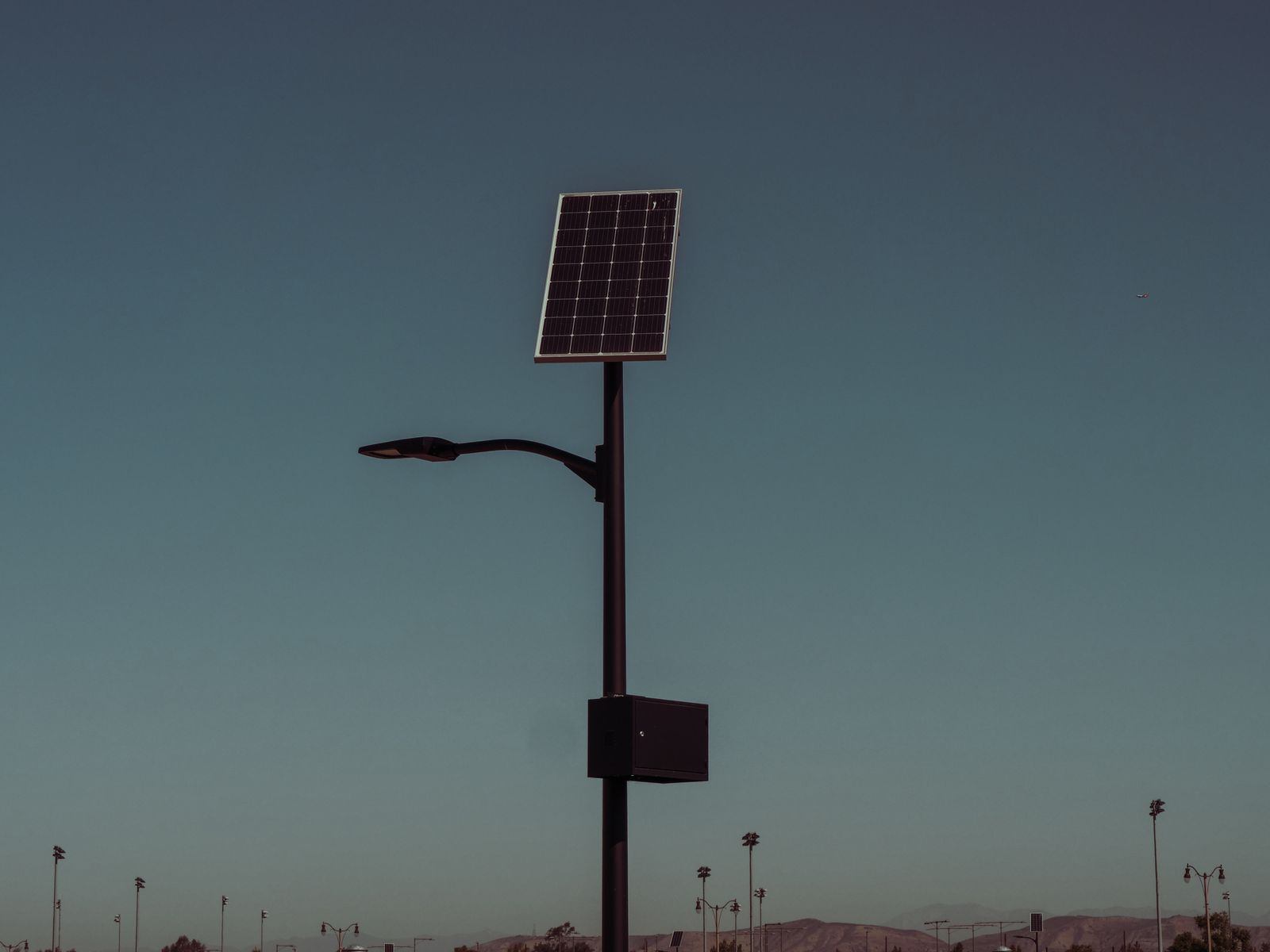
Photo by Kindel Media on Pexels
Use this interactive calculator specification to estimate exact ground setback distances and beam angles based on your wall height and surface material.
Facade Material vs. Color Temperature & Angle Selection Matrix
| Exterior Material Scenario | Recommended Setback | Target Tilt Angle | Ideal Color Mode (CCT) | Lighting Technique |
| --- | --- | --- | --- | --- |
| Red Brick / Terracotta | 1.5 Feet (18 in) | 30° - 35° | 3000K Warm White | Wall Grazing |
| Stacked Natural Stone / Fieldstone | 1.5 Feet (18 in) | 30° - 40° | 3000K Warm White | Wall Grazing |
| White / Cream Vinyl Siding | 2.5 to 3.0 Feet (30-36 in) | 45° - 50° | 4000K Natural White | Wall Washing |
| Grey / Charcoal Stucco | 2.0 Feet (24 in) | 40° - 45° | 6000K Cool White | Facade Contrast Uplighting |
| Architectural Columns / Pillars | 2.0 Feet (24 in) | 55° - 60° | 4000K Natural White | Vertical Column Accenting |
Use this scenario matrix to match your exterior building material with optimal setup parameters.
Pro Lighting Tip: Balancing Facade Grazing vs. Wall Washing
When positioning solar spotlights, understand the difference between Wall Grazing and Wall Washing. Wall grazing positions the fixture close to the wall (1.5 feet) so the narrow beam hits the vertical surface at a tight angle, emphasizing heavy shadow depth on rough brick or stacked stone. Wall washing sets the fixture farther back (2.5 to 3 feet) so the 600-lumen beam spreads into a smooth blanket of light that hides minor imperfections on flat siding. The 120-degree adjustable head on Nacinic spotlights allows you to fine-tune this distance easily without moving the ground stake.
Expand Your Landscape & Outdoor Solar Lighting Design
Explore additional guides to refine your outdoor solar lighting setup and curb appeal:
- How to Wall Mount Solar Spotlights on Brick, Siding, and Wood Fences
- Warm White vs. Cool White Solar Spotlights: Choosing the Right Color Mode for Your Exterior
- How to Position Solar Spotlights for Maximum Sunlight All Year Round
- Ground Stake vs. Wall Mounted Solar Spotlights: Which DIY Setup Is Best?
Frequently Asked Questions About Facade Solar Spotlight Placement
Find quick answers to common outdoor solar spotlight placement and solar panel charging questions.
Featured Solar Lighting Solutions for Exterior Facades
Elevate your home's curb appeal with these high-efficiency, multi-color solar spotlight fixtures.
Cover photo by Gildo Cancelli on Pexels.