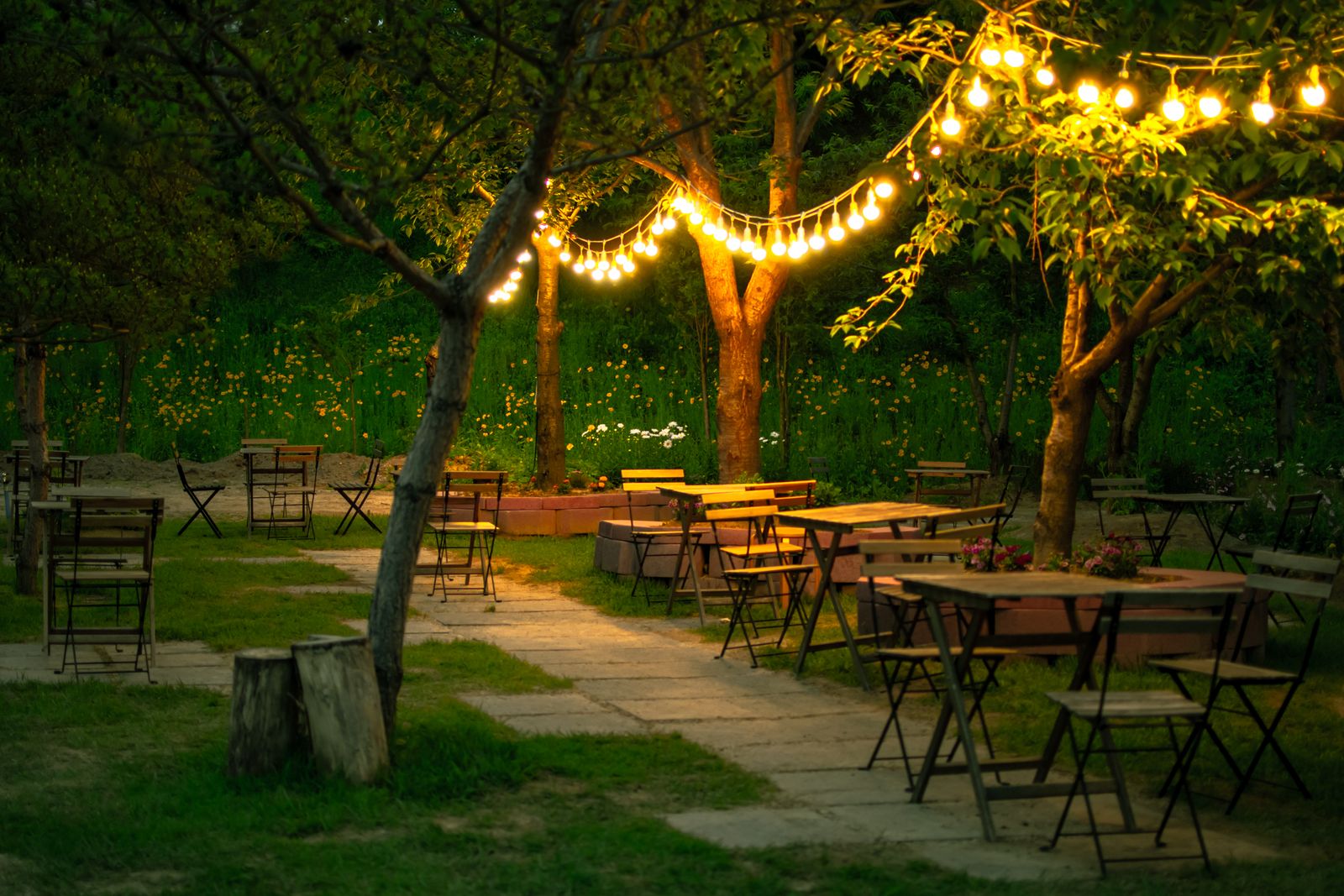
Do Solar Spot Lights Really Save Money? Financial FAQs Answered
Do solar spot lights really save money? Yes on install and on the meter: $0 DIY labor, no trench, and no nightly watts on the bill. Financial FAQs answered below start with that split. You still buy the 74-LED, 600-lumen fixtures. You do not buy a transformer, cable, permits, or lawn repair. Savings grow if you would have hired an electrician. They shrink if you only needed one plugged-in porch lamp you already own. For trees, flags, and house facades far from an outlet, solar is the cheaper light, not a lifestyle slogan.
What “save money” actually means
There are three piles of money: the kit, the install, and the years of energy. Solar wins pile two and pile three. Pile one is similar to cheap wired heads until you add the parts wired needs. A 1.5W–2W panel and 2000 mAh pack replace the trench. IP65 weatherproofing replaces buried splice kits. Dusk-to-dawn replaces a switched circuit you pay to keep live.
If a neighbor already has low-voltage cable in the lawn and a spare transformer tap, their financial math is different. Yours is not their install. Answer the question for the yard you have.
Where solar does not magically save money
Photo by Radu Daniel ( MRD ) on Pexels
A fixture in deep shade does not save money; it wastes the kit. The polycrystalline panel at about 20% efficiency still needs hours of real sun. A north eave is a bad investment. So is buying a dozen heads before you have aimed three. Financial discipline looks like this: light the maple, the flag, and one facade bay. Live with it. Then spend.
Replacement batteries years later are a cost. So is a broken stake from a mower. Those lines are still smaller than re-trenching when a wired layout is wrong. Operating down to about -4°F means you are not buying a winter-only second system for most climates.
How to count savings without a spreadsheet theater
Write the wired bid—or a honest DIY weekend value—plus cable and sod. Write the solar kit. The gap is the savings. Monthly kWh on small landscape heads is not dramatic, but it is never zero on wired. Solar’s bill is zero. That is the FAQ most people want answered: yes, they really save money when they replace a trench, not when they replace a $8 plug-in lantern on a covered outlet.
Financial comparison: solar vs wired outdoor lighting
| Money question | Solar spot lights | Wired landscape lighting | | --- | --- | --- | | Do I pay an electrician? | No — $0 DIY | Often yes | | Do I trench? | No | Yes, plus restoration | | Do I pay nightly energy? | No — 1.5W–2W panel + 2000 mAh | Yes, plus transformer loss | | What if I move a light? | Free restake | Cable stay or recable | | What if I move houses? | Pack the lights | Leave the trench | | When wired wins financially | Rare on a greenfield yard | When the trench and transformer already exist |
Aim, placement, and charging checklist that protects savings
Photo by Elviss Railijs Bitāns on Pexels
- [ ] Only buy fixtures for spots you will actually aim this month.
- [ ] Place 6–10 feet from trees, flags, and facades so 600 lumens looks finished.
- [ ] Stake 4–6 inches or wall-mount 1/4 inch—no paid labor.
- [ ] Put every 1.5W–2W panel in sun or you spent money on a sculpture.
- [ ] Charge a full day before you call a light a failed purchase.
- [ ] Keep mowers and sprinklers off the glass; replacements eat savings.
- [ ] Use warm white on brick and plants so you do not “fix” color with more fixtures.
- [ ] Compare a real wired bid to the kit, not to zero.
Frequently asked questions
Do solar lights save money if electricity is already cheap?
Yes, because most of the money is install, not kWh. Skipping the trench and the electrician is the financial win even when the meter is kind.
How fast is the payback vs wired landscape lighting?
If wired needs a crew, payback is immediate: you never spend that invoice. If you would have DIY-wired a tiny loop, payback is the trench you did not dig plus years of $0 energy.
Are 600-lumen solar spot lights “cheap looking,” which wastes curb-appeal money?
Not at 6–10 feet with warm white on brick. Curb appeal money is wasted by glare and bad color, not by the absence of a buried wire.
What financial FAQs apply to renters?
Solar is the one you can take. You save the deposit fight over holes and cable. Wall-mount with care or stick to stakes in beds you are allowed to use.
Do winter nights erase the savings?
They shorten runtime if you do not tilt and clear snow. They do not add a utility charge. Wired still bills you while solar sits at $0 on the meter.
Should I wait for a sale or just buy and start saving?
Start with three well-aimed heads. Sales on extra fixtures you have not placed yet are not savings; they are inventory.
Related reading
- solar vs hardwired landscape spotlights comparison
- solar spot lights FAQ on charging and maintenance
- how to install solar spot lights as a $0 DIY job
- guide to choosing solar spot lights for landscape design
What to do next
Answer the money question with two numbers: a wired install (trench plus parts plus time) versus a solar kit you can stake today. If those numbers favor solar—and for most trees, flags, and facades they do—buy three heads, aim them, and stop until the sidewalk view asks for more.
Cover photo by Constantine Kim on Pexels.