Troubleshooting Solar Spotlight Placement: Fixing Shadows, Glare, and Poor Sunlight Angles
Troubleshooting solar spotlight placement means fixing shadows, glare, and poor sunlight angles—not buying a fourth kit. Shadows on a facade or path usually mean stacked beams or a 6–10 foot setback you skipped. Glare means the 74-LED face is in someone’s eyes. Poor sunlight angles mean the 1.5W–2W panel points at the house, sits in a drip line, or stays flat in winter. Split the 120-degree joint, restake 4–6 inches, and charge the 2000 mAh pack a clear day. Placement troubleshooting is a dusk walk with a cloth in your pocket.
Shadows: black stripes and hot coins
A hard shadow on a house column often means two lights stacked on the same brick instead of staggered bays. A black path stripe means spacing stretched past overlap. A hotspot at the base of a tree means you are too close. Move to 6–10 feet. Warm white will still show texture once the geometry is right.
Flags throw pole shadows onto panels—shift off-axis. Garden features hide glass behind new growth; prune or relocate. IP65 will not fill a shadow. Another 600-lumen head in the same wrong place will not either.
Glare: the placement bug people call “too bright”
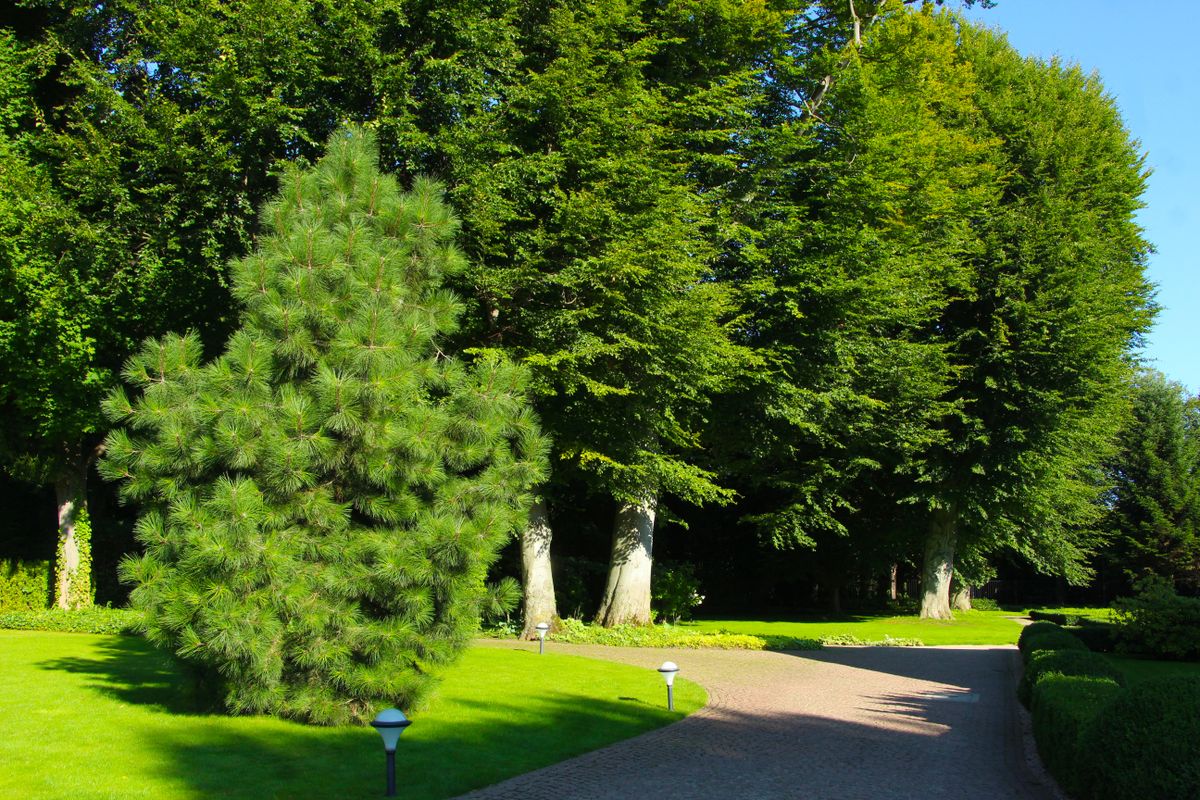
Fixing glare is hiding the LED array. Tilt down on paths. Graze façades. Lower a wall mount that stares at drivers. Cool white glare feels worse than warm; switch mode after you fix aim so you do not confuse Kelvin with placement.
If a bedroom lights up, the angle is poor even if the panel is happy. Safety and neighbors are part of troubleshooting. $0 DIY means you can move tonight.
Poor sunlight angles: the late-night fade
When the beam was gorgeous at 8 and gone at 11, the sunlight angle is wrong. Point glass at south sky. Steepen in winter. Wipe snow and pollen. Wall-mount 1/4 inch on a sunny fence if the pretty bed is a well of shade. Operating to about -4°F still wants photons. Taping the sensor is not a sunlight-angle fix; it is how you empty the pack at noon.
Placement problems: shadows vs glare vs poor sunlight angles
| Symptom | Likely placement cause | Fix | | --- | --- | --- | | Black stripe on wall or path | Too much spacing; stacked bays | Overlap grazes; stagger heads | | Hot coin on mulch or bark | Setback under 6 ft | Move to 6–10 ft | | Blinded walker / driver | LED face in the eye line | Tilt down/aside; hide the array | | Bedroom wash | Beam too steep / too close | Graze; shift off the glass | | Dead by 10 p.m. | Poor sunlight angle on the panel | South sky, winter steep, out of drip line | | One head always worse | Local shade or lean | Swap lamps; restake 4–6 in. |
Aim, placement, and charging checklist
- [ ] Walk at 8 p.m. and 11 p.m.; note shadows, glare, and fade separately.
- [ ] Fix setback to 6–10 feet before you add fixtures.
- [ ] Stagger facade heads; overlap path heads; do not stack.
- [ ] Hide 74 LEDs from eyes to kill glare.
- [ ] Split 120-degree beam vs panel to fix poor sunlight angles.
- [ ] Wipe the 1.5W–2W face; reset 4–6 inch stakes.
- [ ] Charge 2000 mAh after every placement change.
- [ ] Swap a problem lamp with a good one to separate site from hardware.
Frequently asked questions
Photo by Artūras Kokorevas on Pexels
Why do I still have shadows after adding more solar spotlights?
You probably stacked beams or ignored 6–10 foot setback. Troubleshooting placement is rearranging, not accumulating.
How do I fix glare without losing coverage?
Keep the lumens on the surface and hide the LED face. A graze covers more honestly than a blast people squint through.
What counts as a poor sunlight angle?
Glass facing the wall, a flat panel in winter, a north eave, or a drip line. If sharp sun never crosses the face, the angle is poor.
Can wall mounting fix all three problems?
It can fix mower hits and some glare height. It cannot fix a shaded wall. Sunlight angles still rule.
When is the fixture itself the problem?
After you have fixed shadows, glare, and sunlight angles, charged a clear day, and the same lamp still fails in a known-good sunny spot.
Fix one symptom at a time
Fixing shadows, glare, and poor sunlight angles in the same five minutes is how people make all three worse. Pick the worst symptom. If it is a black stripe, change spacing. If it is glare, hide the LED face. If it is a 10 p.m. fade, fix the sunlight angle on the 1.5W–2W panel. Then charge a day. Troubleshooting solar spotlight placement is sequential. A fourth kit is not a step in that sequence.
Related reading
- how to install and then troubleshoot solar spot lights
- how dusk to dawn fails when sunlight angles are poor
- how to highlight a facade without glare
- how to eliminate dark-zone shadows on the perimeter
- moisture troubleshooting if the lens is fogged, not poorly aimed
What to do next
Tonight, pick the worst shadow, the worst glare, and the earliest fade. Fix placement only: 6–10 feet, hidden LEDs, panel to the sky. Charge a day. If those three symptoms shrink, you finished troubleshooting solar spotlight placement. If they do not, move the site—do not order a louder box.
Cover photo by Guohua Song on Pexels.