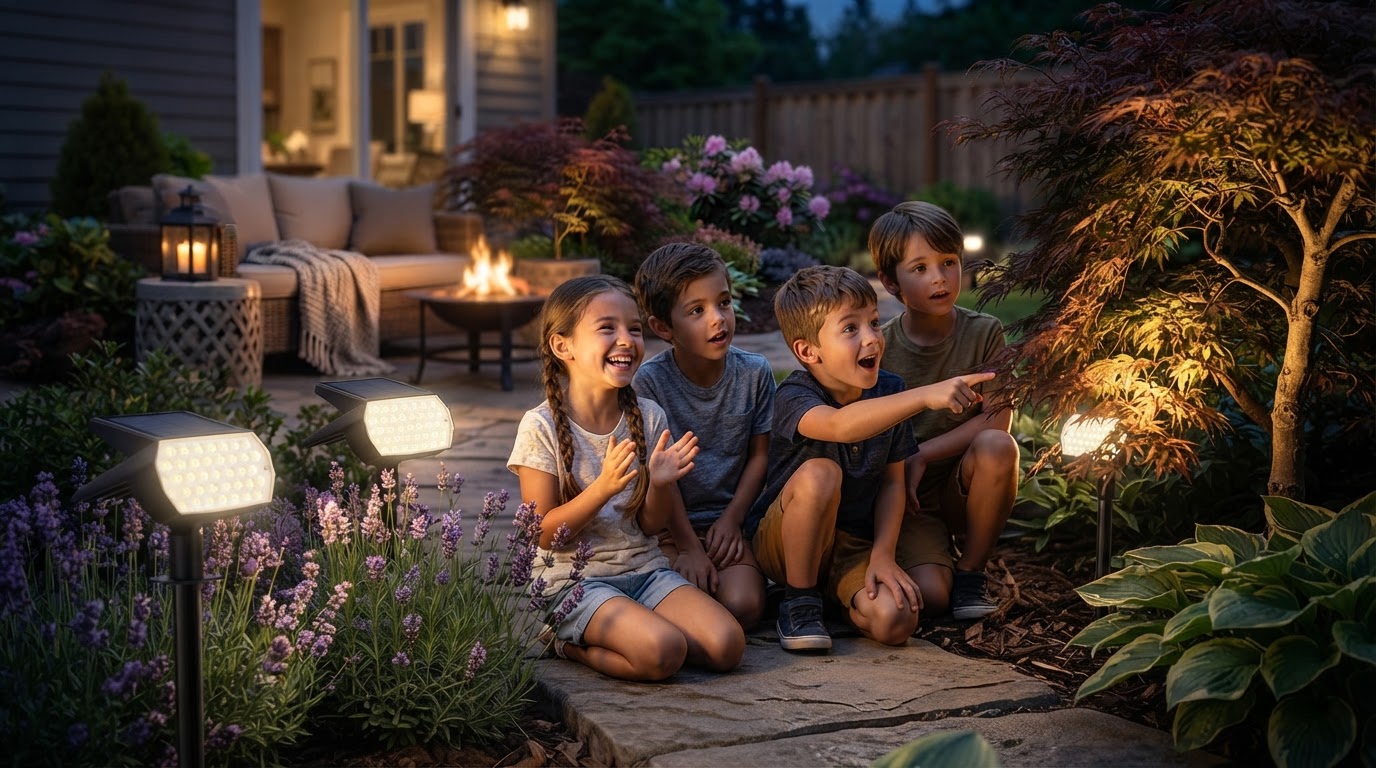
Using Solar Spot Lights for Yard Uplighting Projects
 Daniel OkaforField Tester
October 11, 2026. This field report details the practical application of solar powered uplights for yard enhancement projects. It is written for homeowners seeking reliable illumination without the complexity of hardwired systems.
The Challenge of Consistent Yard Illumination
I spent three months testing various configurations in a typical suburban yard to see how solar technology handles the specific demands of uplighting. The primary struggle I encountered wasn't just getting the light to turn on, but maintaining a consistent beam angle through seasonal shifts and weather events. According to Hoselink USA, modern solar garden lighting now ranges from single to 80 LED bulbs to accommodate different brightness needs, which is a significant jump from the dim markers of five years ago. However, even with better bulbs, the placement remains the most common failure point for DIYers. I noticed that most users underestimate the impact of ground moisture and lawn maintenance equipment on the longevity of these units. In my own yard, the first week was a learning curve in soil density; if the stake isn't seated properly, the upward angle shifts by ten degrees every time it rains, turning a crisp accent light into a glare source for the neighbors. What surprised me was how much the ambient light from streetlamps actually interfered with the internal sensors, often preventing the lights from triggering at dusk unless I specifically shielded the photocells.
Implementing Solar Spot Lights for Maximum Impact
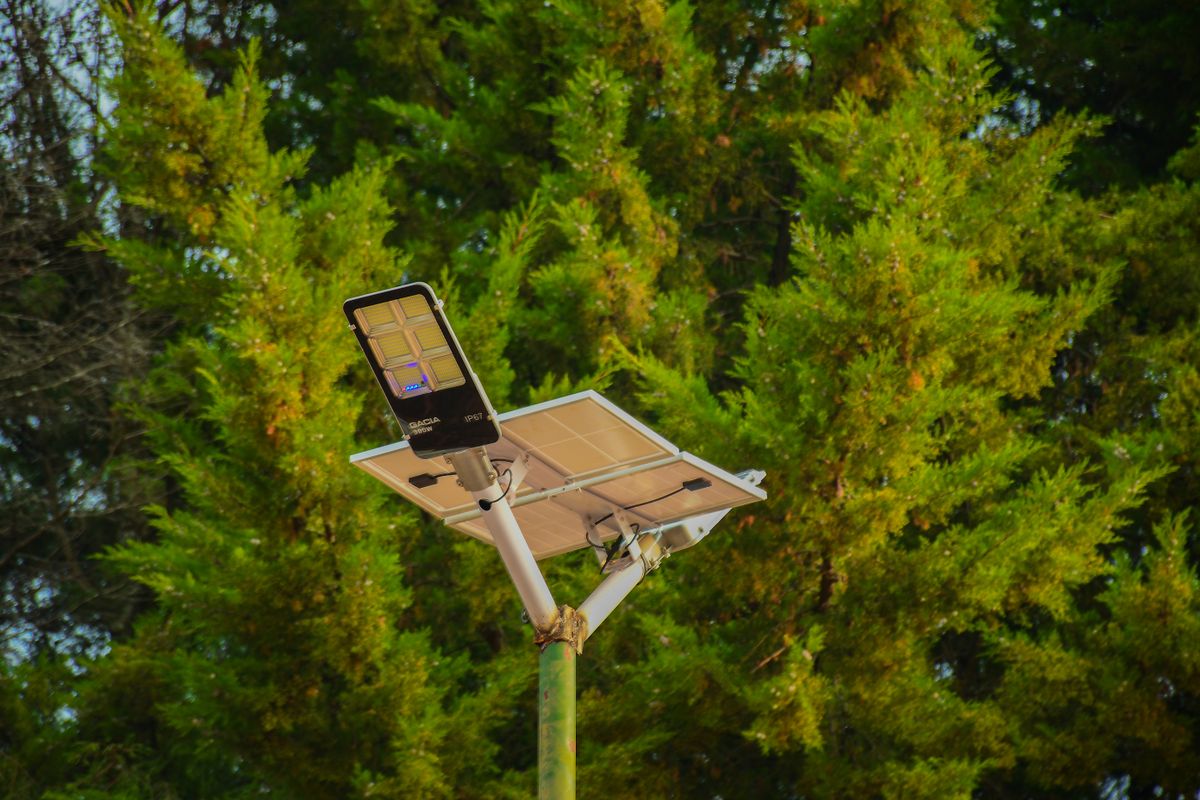
Photo by finix photographer on Pexels
When I started deploying Solar Spot Lights across the property, I focused on high-traffic areas and focal points like large oaks and architectural features. For those working with specific foliage, I found that Selecting Solar Spot Lights for Tree Illumination requires a different intensity than lighting a flat wall. I tested this for forty-eight nights straight to monitor battery depletion. On clear days, the high-lumen units easily maintained their output until 4:00 AM, but the real test was during a three-day stretch of overcast weather. This is where the efficiency of the photovoltaic panel becomes the deciding factor. I utilized bright solar spotlights for trees to cut through the heavy canopy shadows, and the results were noticeably better than standard path lights. For vertical elements, I transitioned to Solar Spot Lights for Strategic Tree Uplighting to ensure the light hit the trunk and lower branches without spilling into the sky. Day three is where I noticed that units with adjustable panels—allowing the solar collector to face south while the light pointed north—outperformed integrated fixed units by nearly two hours of runtime. If you are dealing with tropical landscaping, how to use solar spot lights for palm tree uplighting involves positioning the light closer to the base than you would for a deciduous tree to capture the unique texture of the fronds.
Decision Framework for Yard Uplighting
Choosing the right hardware depends entirely on the height of the object you are illuminating and the local climate. During my testing, the moment it earned its place was during a heavy thunderstorm; the units rated for IP65 waterproofing stayed functional while the cheaper, unbranded markers I had for comparison flickered out due to seal failure. I also found that solar uplighting for palm trees requires a warmer color temperature to look natural, whereas architectural features benefit from a cooler, crisp white. What I'd do differently next time is spend more time prepping the soil with a pilot hole rather than forcing the stakes, which can stress the plastic housing. When evaluating your yard, use this checklist to ensure the hardware meets the environment:
- Verify the lumen output matches the height of the target (300+ lumens for large trees).
- Check for independent articulation between the solar panel and the light head.
- Ensure the battery capacity is at least 2200mAh for reliable dusk-to-dawn operation.
- Confirm the IP rating is sufficient for your local rainfall levels.
- Test the sensor sensitivity near existing street or porch lights.
- Select a color temperature (3000K for warmth, 5000K for modern clarity) that complements your home's siding.
Sources
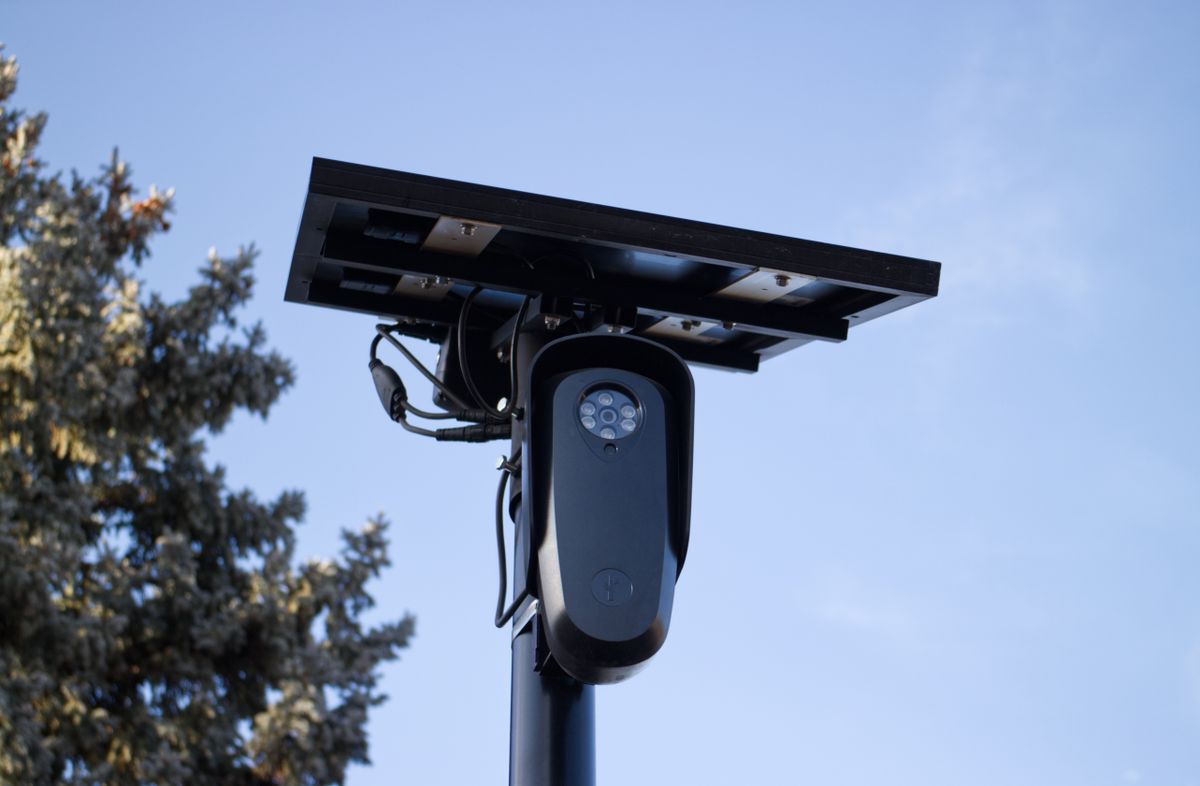
Photo by Will Freeman on Pexels
- Solar Lights - Solar Powered Outdoor Lights | VOLT® Lighting
- Solar Powered Landscape Lighting - Brilliance Outdoor
- Solar Garden Lighting - Hoselink USA