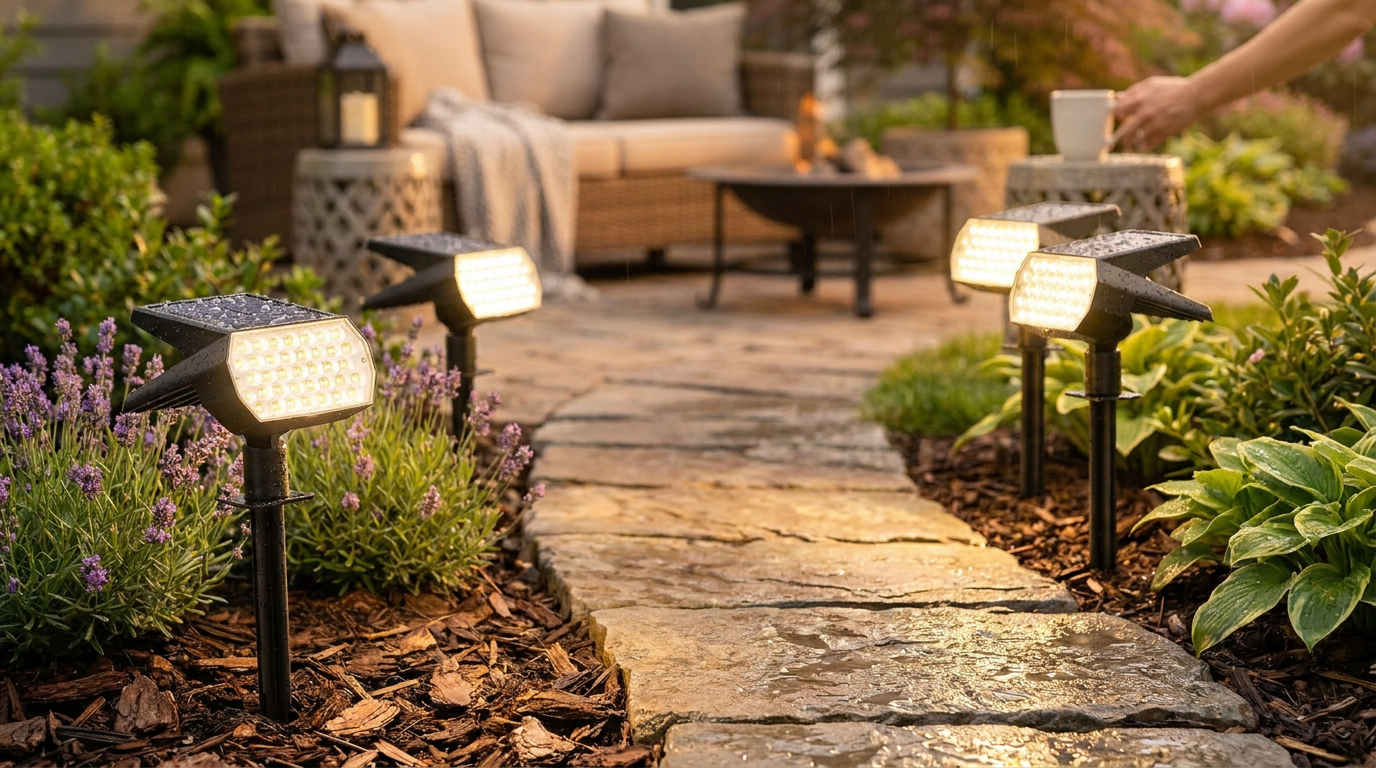
How Solar Pathway Spot Lights Achieve Waterproofing
 Daniel OkaforField Tester
A beautifully illuminated walkway provides safety and curb appeal, but its effectiveness hinges on durability. When homeowners invest in outdoor lighting, the key to dependable, all-weather performance lies in understanding what makes solar pathway spot lights waterproof. It is a combination of specific engineering, robust materials, and proper installation that ensures your pathways remain bright season after season.
Modern Solar Spot Lights are designed to withstand the elements, but not all waterproof claims are equal. True resilience comes from features working together to protect photovoltaic cells, batteries, and LED components from moisture.
Decoding IP Ratings: What “Waterproof” Really Means
The most reliable indicator of moisture resistance is the Ingress Protection (IP) rating. This international standard classifies the degree of protection provided by an electrical enclosure.
- The First Digit (Solids): Rated 0-6, this indicates protection against solid objects like dust. A rating of 6 is ideal.
- The Second Digit (Liquids): Rated 0-9, this is the most critical number for outdoor lights.
The Critical Role of Materials in Weather Resistance
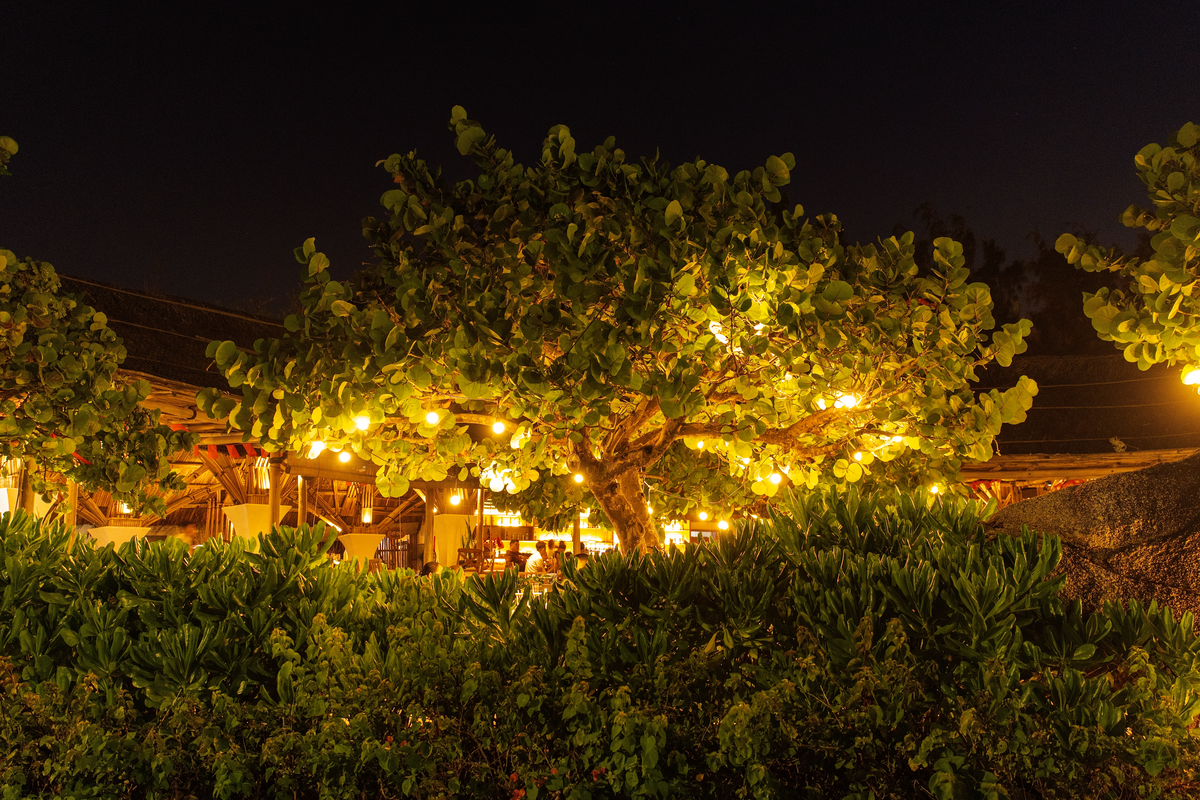
Photo by quang vinh on Pexels
The housing is the primary barrier against the elements. While entry-level lights use plastic, superior materials offer greater longevity.
- Cast Brass: The premium choice, cast brass is heavy, dense, and will not rust. It develops a natural patina and ensures internal seals remain protected for years. It is an excellent complement for homeowners seeking warm white solar spotlights.
- Stainless Steel: Provides a modern aesthetic with excellent resistance to rust and corrosion, ideal for humid or coastal areas.
- ABS Plastic: Although affordable, plastic is vulnerable to UV radiation, which can cause cracking and moisture entry points over time.
Beyond the Housing: Key Components of a Watertight Seal
True waterproofing is a system. Several internal components are essential for keeping moisture out:
As noted in testing by The Spruce, robust seals are what separate reliable fixtures from seasonal failures.
Installation and Maintenance for Lasting Performance
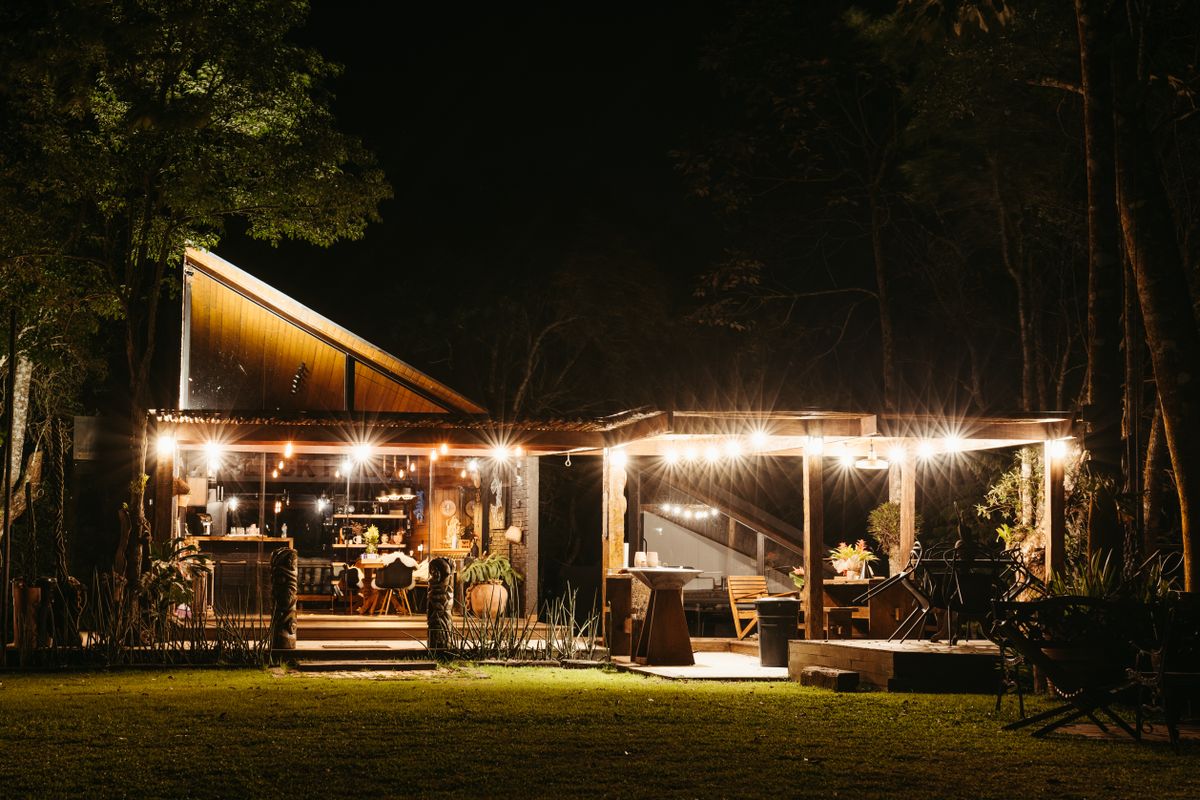
Photo by Jonathan Borba on Pexels
Even the best light can be compromised by poor placement. When planning your outdoor landscape lighting solar design, avoid low-lying areas where water pools. Although IP65 lights handle rain, they are not designed for submersion.
Proper placement is as vital as it is when installing solar uplights for trees. For maintenance, wipe the solar panel with a damp cloth. Never use a pressure washer, as the force can overwhelm seals.
FAQ: Your Waterproof Solar Light Questions Answered
What is the difference between water-resistant and waterproof solar lights?
"Water-resistant" usually implies a lower rating like IP44, which handles splashes. "Waterproof" for pathways should be at least IP65, engineered to withstand sustained rain and sprinklers without leaking.Can Solar Spot Lights be left out in snow and ice?
High-quality lights made of cast brass or stainless steel are designed for winter. Unlike cheaper plastics, these materials do not become brittle in the cold. Ensure the solar panel stays clear of snow to maintain charging.