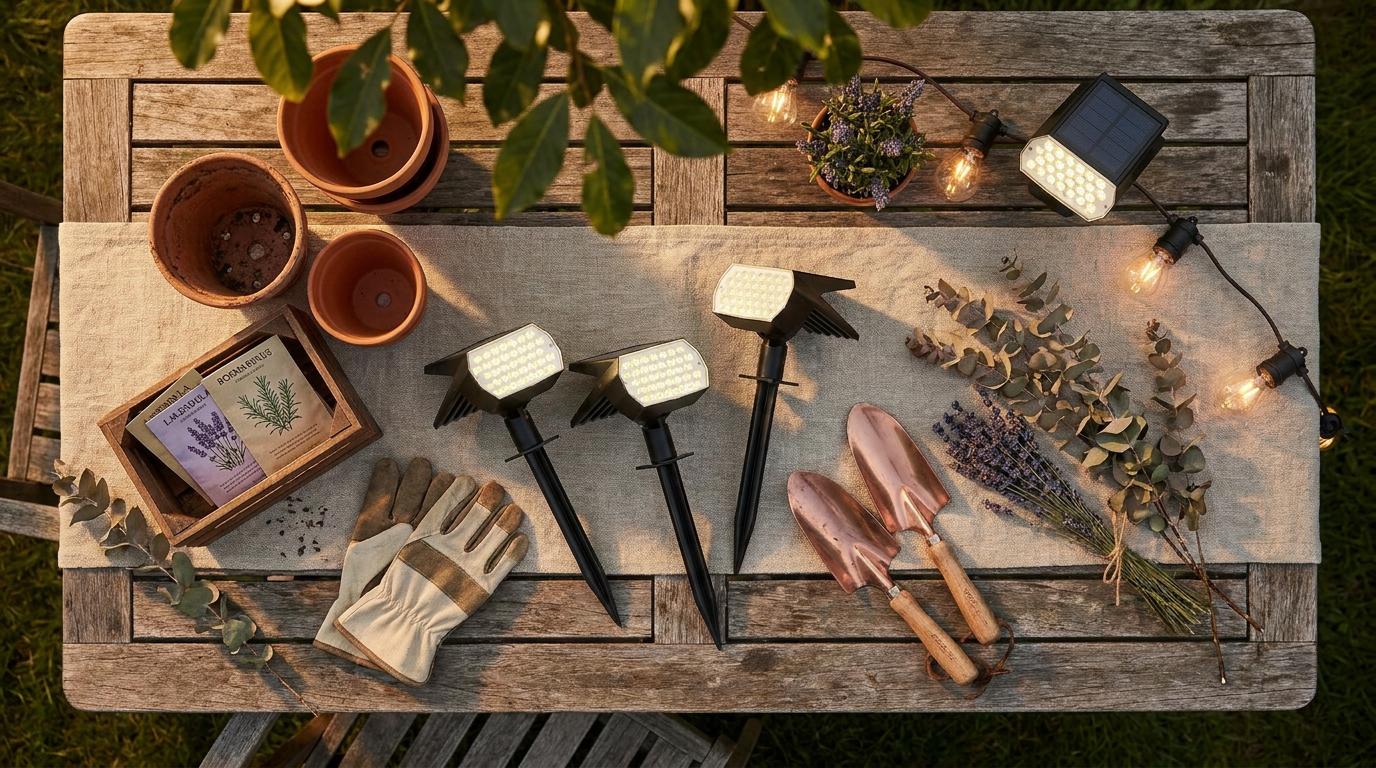
How Solar Spot Lights Maximize Outdoor Landscape Lighting
 Sam VasquezBuying Guide Lead
Achieving a stunning, professionally lit landscape doesn't have to involve expensive trenching and complex wiring. Modern outdoor landscape lighting solar technology offers a powerful, flexible, and eco-friendly alternative. However, many homeowners are disappointed by underperforming lights that fade after a few hours or fail in bad weather. The key to success isn't just buying a solar light; it's understanding how to maximize its performance. At Solar Spot Lights, we engineer our products for reliability and brilliance, turning the dream of a beautifully illuminated property into an easy-to-achieve reality.
Understanding the Engine Behind Your Solar Lights
Not all solar lights are created equal. The performance and longevity of your system depend on three core components working in harmony: the solar panel, the battery, and the LED. Choosing high-quality fixtures means you get a system designed to last, not just a decorative ornament.
- The Solar Panel: This is the powerhouse. Our Solar Spot Lights utilize high-efficiency monocrystalline panels, which are superior to older polycrystalline types. They have a higher energy conversion rate, meaning they generate more power from the same amount of sunlight and perform better on overcast days. This advanced technology is crucial for providing a consistent charge.
- The Battery: A powerful panel is wasted without a battery that can store the energy. We use long-lasting Lithium-ion Phosphate (LiFePO4) batteries that can handle over 2,000 charge cycles. This ensures your lights run for 8-10 hours nightly and have a lifespan of several years, not just a single season.
- The LED: The efficiency of the light-emitting diode (LED) determines brightness (lumens) and energy consumption. According to the U.S. Department of Energy, LEDs are far more efficient than traditional bulbs, making them perfect for solar applications. For a soft, inviting glow along a path, many homeowners prefer the ambiance of warm white solar spotlights.
Strategic Placement: From Sun-Soaked to Spotlight
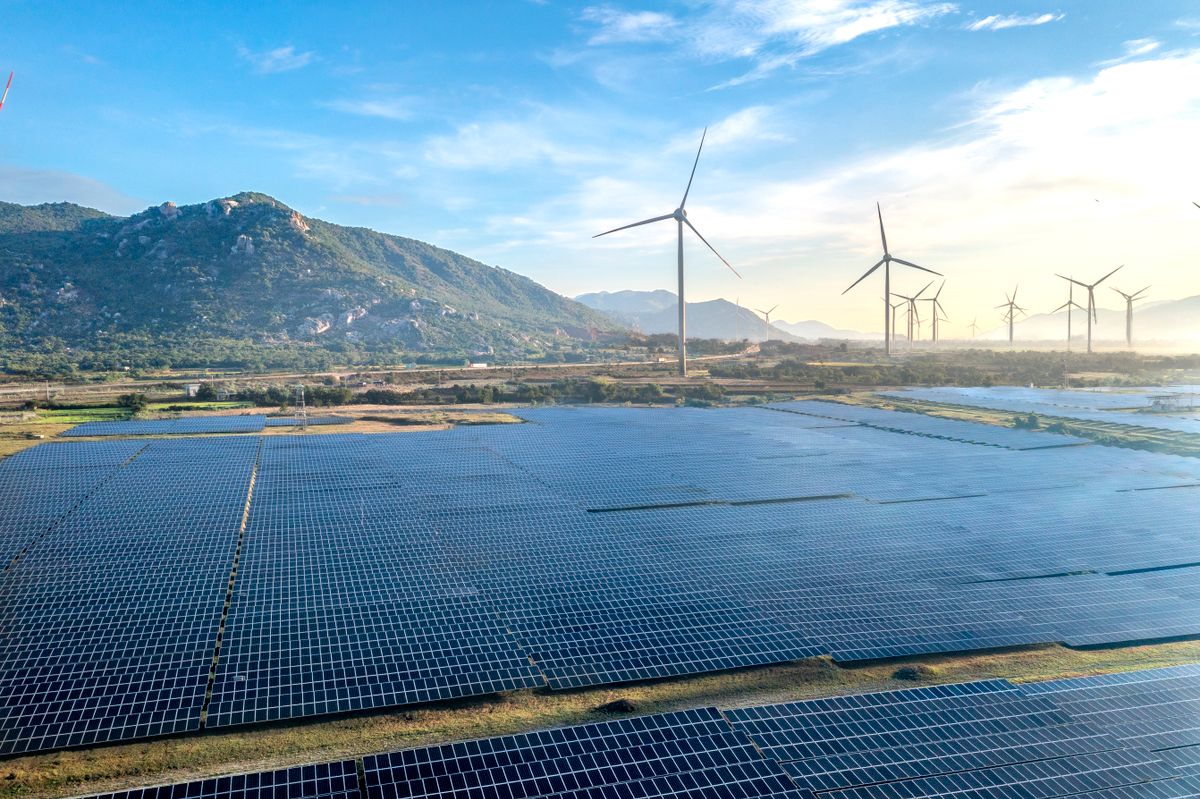
Photo by Quang Nguyen Vinh on Pexels
Where you place your lights is just as important as their technical specifications. A common mistake is placing a fixture in a shady spot and expecting all-night performance. To get the most out of your outdoor landscape lighting solar setup, you need to think in two stages: charging and illuminating.
First, identify locations that receive at least six to eight hours of direct, unobstructed sunlight. This is where the solar panels need to be. Our Solar Spot Lights with separate panels offer the ultimate flexibility, allowing you to place the panel in a sunny spot while the light itself is positioned perfectly in the shade to highlight a feature.
Next, consider your lighting goals. Are you creating a safe walkway, highlighting architectural details, or deterring intruders?
- For Highlighting Features: Use spotlights to create dramatic uplighting effects. When lighting taller features, proper placement is key, which is why we created a detailed guide for installing solar uplights for trees. Adjustable heads allow you to aim the beam precisely, whether you're illuminating a statue, a mature oak, or the facade of your home.
- For Security and Broad Illumination: Brighter is better. For areas where you need an extra layer of safety, consider the best outdoor solar spotlights for home security. Placing high-lumen fixtures near entry points, driveways, or dark corners of your yard can enhance visibility and peace of mind.
Built to Brave the Elements: Weatherproofing and Durability
Outdoor lights face a constant battle with rain, dust, sprinklers, and temperature swings. A light's durability is measured by its Ingress Protection (IP) rating. This two-digit number tells you how well it's sealed against solids (first digit) and liquids (second digit).
Our Solar Spot Lights feature an IP65 weatherproof rating. This means they are completely dust-tight and can withstand water jets from any direction. Whether it's a heavy downpour or a blast from your irrigation system, the internal components remain protected. This level of durability is non-negotiable for a long-term investment in your landscape, ensuring your lights shine brightly through every season.
FAQ: Your Solar Lighting Questions Answered
Photo by Jeric Turga on Pexels
How many hours do Solar Spot Lights run?
With a full charge (6-8 hours of direct sunlight), our Solar Spot Lights are engineered to run for 8-10 hours. This provides brilliant illumination from dusk until dawn. The integrated photocell automatically turns the lights on at sunset and off at sunrise, conserving energy and maximizing runtime.
Will my solar landscape lights work if it's cloudy?
Yes, but performance may vary. The high-efficiency monocrystalline panels in our Solar Spot Lights are designed to charge even on overcast days, though they won't gather energy as quickly. A fully charged battery from a previous sunny day can often carry the light through one or two cloudy days with reliable performance.
By choosing quality components and implementing a smart placement strategy, you can create a reliable and beautiful outdoor landscape lighting solar system. Forget the limitations of weak, decorative lights and embrace the power of a professionally engineered solution.
Shop Our Solar Spot Lights Today