How to Maximize Solar Spotlight Runtime: Getting 14 Hours of Light Every Night
To maximize solar spotlight runtime and get toward 14 hours of light every night, treat battery life as sun in, hours out. Face the 1.5W–2W polycrystalline panel at the sky, steepen the 120-degree tilt in winter, wipe the glass, and finish a full 2000 mAh charge before dusk. Fourteen hours is a long-night goal, not a summer-evening default. Getting it every night fails under eaves, drip lines, and snow hats. The 74-LED, 600-lumen head is not the weak link. Placement and charging are. Skip extra fixtures in the same shade.
Runtime is battery life you refill daily
A 2000 mAh pack does not hold a week of landscape lighting. It holds a night if you refilled it. Maximize solar spotlight battery life by making the refill boringly consistent: south sky, clean face, no irrigation spots. Dusk-to-dawn is the mode. Switching the lamp on and off all day does not save the pack; it just confuses the sensor.
Every night is the hard phrase in the title. Weather will still win some January stretches. Your job is to make the typical night long, and the bad night recoverable the next clear afternoon.
The 14-hour night is a winter design brief
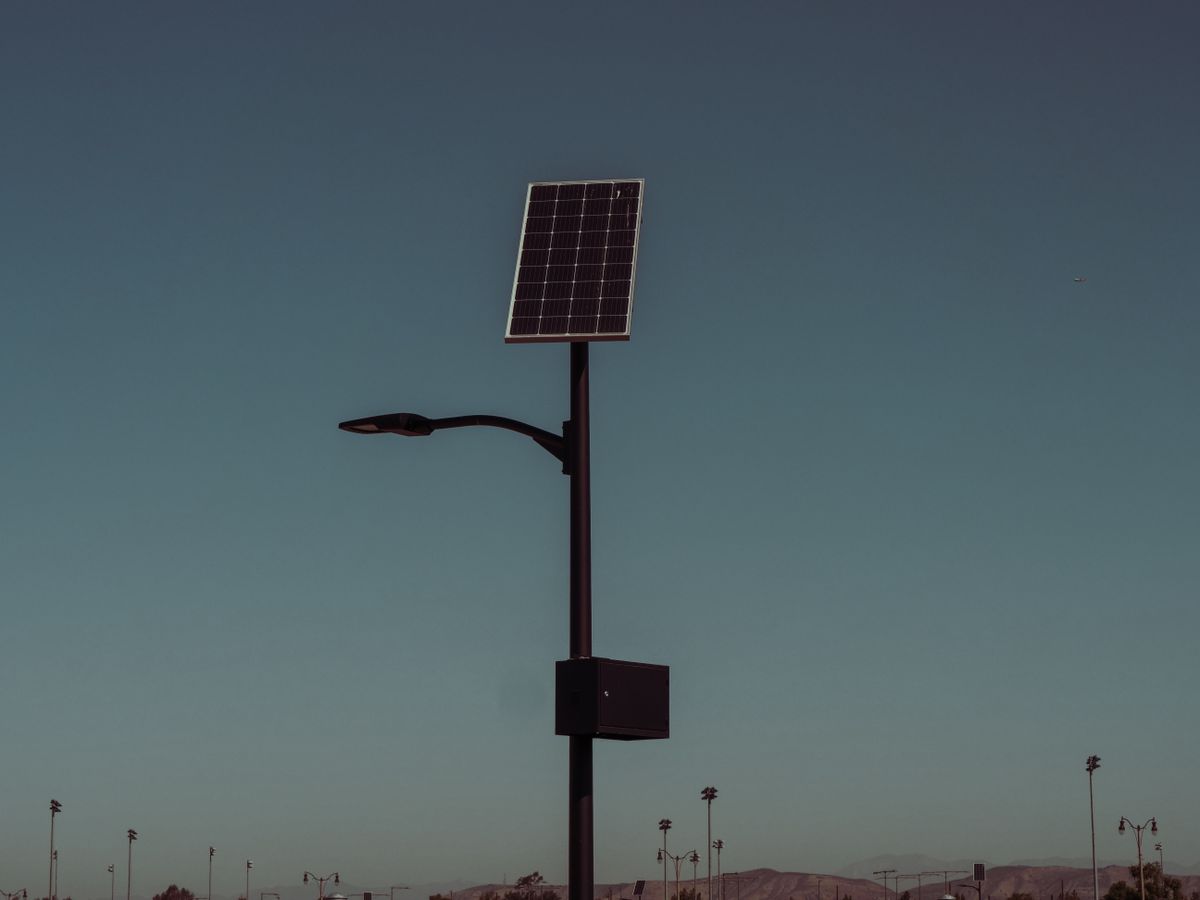
Photo by Kindel Media on Pexels
If darkness lasts 14 hours, flatten-summer geometry will not do. Steepen the panel. Clear snow at breakfast. Keep the fixture 6–10 feet from the tree so the canopy cannot eat morning sun. Wall-mount on a sunny fence if the pretty bed is a well of shade. Warm or cool white does not change the physics.
IP65 keeps the pack dry so battery life is not a corrosion story. Seated gaskets matter. Standing water in a window well still does not.
What not to do in the name of more hours
Do not cover the sensor with tape “to keep it on”—you will dump the pack at noon. Do not add a crowd of 600-lumen heads in the same shadow. Do not store lights indoors all week and expect every-night runtime the first dusk. Install remains $0 DIY; moving one stake is the upgrade. Operating down to about -4°F is enough if the pack was full at sundown.
What actually maximizes runtime vs what wastes battery life
| Move | Helps 14-hour / every-night goal | Wastes battery life | | --- | --- | --- | | Panel aim | South sky, seasonal 120-degree tilt | Glass aimed at the facade | | Site | Open sun, 6–10 ft from trees | Drip line, north eave | | Glass | Wipe pollen, snow, hard water | Assume IP65 is self-cleaning | | Mode | Dusk-to-dawn after a full charge | Taping the sensor; constant toggling | | More lights | Only in new sunny gaps | A row of shaded twins | | Wired alternative | Guaranteed hours, with a bill | You no longer have a battery to maximize |
Aim, placement, and charging checklist
Photo by RonaK PitambeR ChoudharY on Pexels
- [ ] State the night length you actually need—9 hours vs a 14-hour winter dark.
- [ ] Put every 1.5W–2W panel in south sky; 6–10 feet from the subject.
- [ ] Stake 4–6 inches or wall-mount 1/4 inch on the sunny structure.
- [ ] Steepen winter tilt; flatten summer; hold beam aim while you do it.
- [ ] Charge the 2000 mAh pack a full clear day; then leave dusk-to-dawn on.
- [ ] Wipe glass; brush snow before you call battery life dead.
- [ ] Keep mowers from knocking the panel into mulch.
- [ ] If one night is short, fix that fixture’s sun the next morning—not the LED count.
Frequently asked questions
Can I really get 14 hours of light every night?
You can approach dusk-to-dawn on a 14-hour night after a strong charge and honest placement. You will not do it every calendar night if storms bury the panel. Maximize the typical night; recover after weather.
Does a larger lumen number mean shorter battery life?
These heads are 600 lumens. Chasing a bigger sticker does not maximize runtime. Sun on the 1.5W–2W panel does.
Should I turn lights off on full-moon nights to save the pack?
No. Keep dusk-to-dawn consistent. The pack wants a daily cycle, not a clever calendar.
How do I maximize runtime on a shady flag?
Do not sit the panel at the flag’s feet. Put the fixture in sun and aim at the flag. Battery life follows the glass.
When is the 2000 mAh cell actually tired?
After years, and only after shade, tilt, and film are ruled out. A new pack in a bad location repeats the short night.
Related reading
- how dusk to dawn solar spot lights operate all night
- how solar spot lights work and refill the pack
- FAQ on solar charging and maintenance
- winter guide when nights run long
What to do next
Pick the fixture that dies first. Tomorrow morning, give its panel the best sky you have, steepen if it is winter, and wipe the glass. Charge all day. If you get a longer night, you maximized runtime without a new product. Copy that placement if you are serious about 14 hours of light every night the weather allows.
Cover photo by Mehmet Kaya on Pexels.