Winter Solar Spotlight Setup: Keeping Your Home Bright and Safe in Snow and Low Sun
A winter solar spotlight setup keeps your home bright and safe in snow and low sun by treating the 1.5W–2W panel as the critical part. Steepen the 120-degree tilt, brush snow off the glass by breakfast, and place 600-lumen heads 6–10 feet from steps, trees, and the facade so dusk-to-dawn still has a chance. Low sun will not fill a north eave. Snow on the panel is a switched-off charger. Safe winter nights need visible treads in warm white and a charged 2000 mAh pack, not a cooler Kelvin that pretends to melt ice.
Low sun is a placement problem you can still win
Winter sun skims. Setup means the polycrystalline panel faces that skim, not last July’s maple shade. Move stakes into open south sky. Wall-mount a sunny fence with a 1/4 inch bit and aim back at the dark side path. IP65 will take the storm. It will not invent photons under a drift.
Bright and safe is a 6–10 foot graze on ice-prone steps. Hide glare so a slick walk is still readable. 74 LEDs do not heat the tread. They show the lip.
Snow habits that are the real setup
Keep a brush by the door. Morning clear on every solar spotlight you care about. Do not chip glass. Reset 4–6 inch stakes after plows throw berms. Steepen tilt so new snow slides. Charge on the first clear afternoon before you judge winter performance.
If a plow route exists, do not stake in it. That is setup, not bad luck. About -4°F is in range on a full pack. An empty pack in a freeze looks like a failed winter product.
Color and coverage for a winter home
Warm white on brick and plants still looks like home. Cool white on the apron helps you see a person in a dark coat. Natural white on mixed siding. Safe also means the flag light does not blind the street. $0 DIY: you may change the winter setup twice. Wired bills you while your panel wears a snow hat—you can still choose solar and a brush.
Winter setup vs summer leftover vs indoor storage
| Choice | Home bright & safe? | Snow / low sun outcome | | --- | --- | --- | | Winter setup (this guide) | Yes if treads and approaches stay lit | Steep panel, brushed glass, moved shade sites | | Leave July angles | Fine at 6 p.m., dead at 9 | Glancing sun, snow caps | | Store lights indoors | Dark steps, unsafe | No light, packed bins | | Taped sensor | On at noon, dead at dusk | Worst winter idea | | Add wired on the north porch | That one strip stays on | Bill; use only where sun never exists |
Aim, placement, and charging checklist
- [ ] Steepen every 120-degree panel for low sun.
- [ ] Brush snow off 1.5W–2W glass each morning you care about runtime.
- [ ] Place 6–10 feet from winter-critical steps and approaches.
- [ ] Warm white on treads and brick; cool on the street apron if needed.
- [ ] Stake 4–6 inches out of plow berms; wall-mount 1/4 inch on sunny posts.
- [ ] Charge 2000 mAh on the next clear day after any setup change.
- [ ] Keep IP65 seals seated; no standing meltwater wells.
- [ ] Walk the home at 9 p.m. after a snow—add grit, not just lumens, on ice.
Frequently asked questions
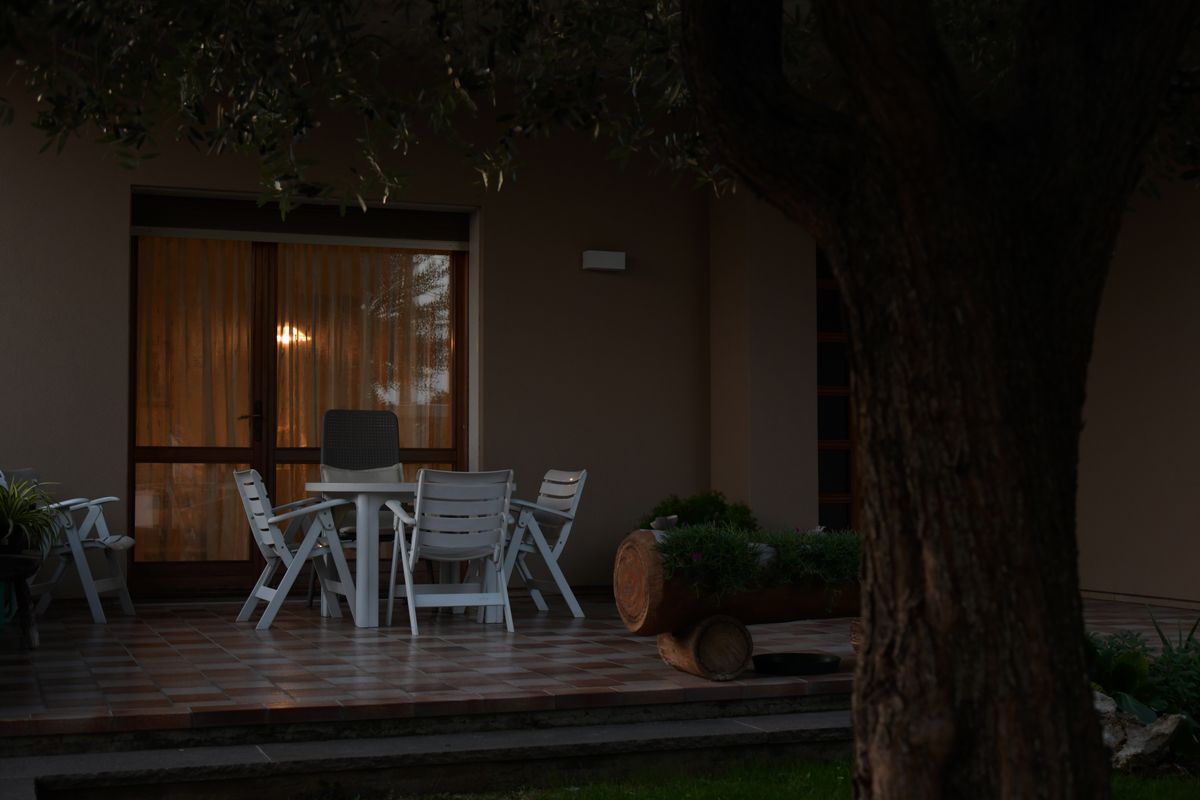
Photo by Serena Koi on Pexels
Can solar spot lights in winter really keep a home bright and safe?
Yes if the setup respects low sun and snow. Dusk-to-dawn still needs a charged pack. A snow-capped panel is a dark step.
Should I switch everything to cool white in snow?
No. Snow already glares. Warm treads are safer. Cool on an apron is enough if you need faces to read.
How do I handle a week of storms?
Brush when you can, accept shorter nights, recover on the first clear day. Winter setup is recovery, not a generator fantasy.
Is wall mounting better in snow country?
Often, because plows destroy stakes. The wall still needs sun. Height without sky is a pretty dark lamp.
Do I winterize by unplugging solar lights? There is no plug.
Correct. Setup is tilt, brush, and position. Leave working IP65 heads outside down to about -4°F.
Keep these title jobs on the work list: Keeping.
Keeping the home usable when the sun is stingy
Keeping your home bright and safe in snow is a setup you repeat after the plow, not a one-time tilt. Low sun will not charge a panel wearing a drift. Brush, steepen, and keep stakes out of berms. A winter solar spotlight setup that ignores the driveway apron still leaves you walking through a black strip with bags in both hands. Keep the graze on the step, keep the glass clear, and keeping the house usable becomes a habit instead of a hope.
Related reading
- winter solar spotlights freezing weather guide
- weatherproof solar lighting winter and rain guide
- how dusk to dawn operates on long winter nights
- how to eliminate dark zones when snow piles shift shadows
What to do next
Set up one winter solar spotlight on the most dangerous step: steep panel, snow brush in the morning, warm graze on the riser, 6–10 feet back. If the home stays bright and safe there, copy the setup. If the glass sits in low-sun shade, move it before you buy a “winter” product.