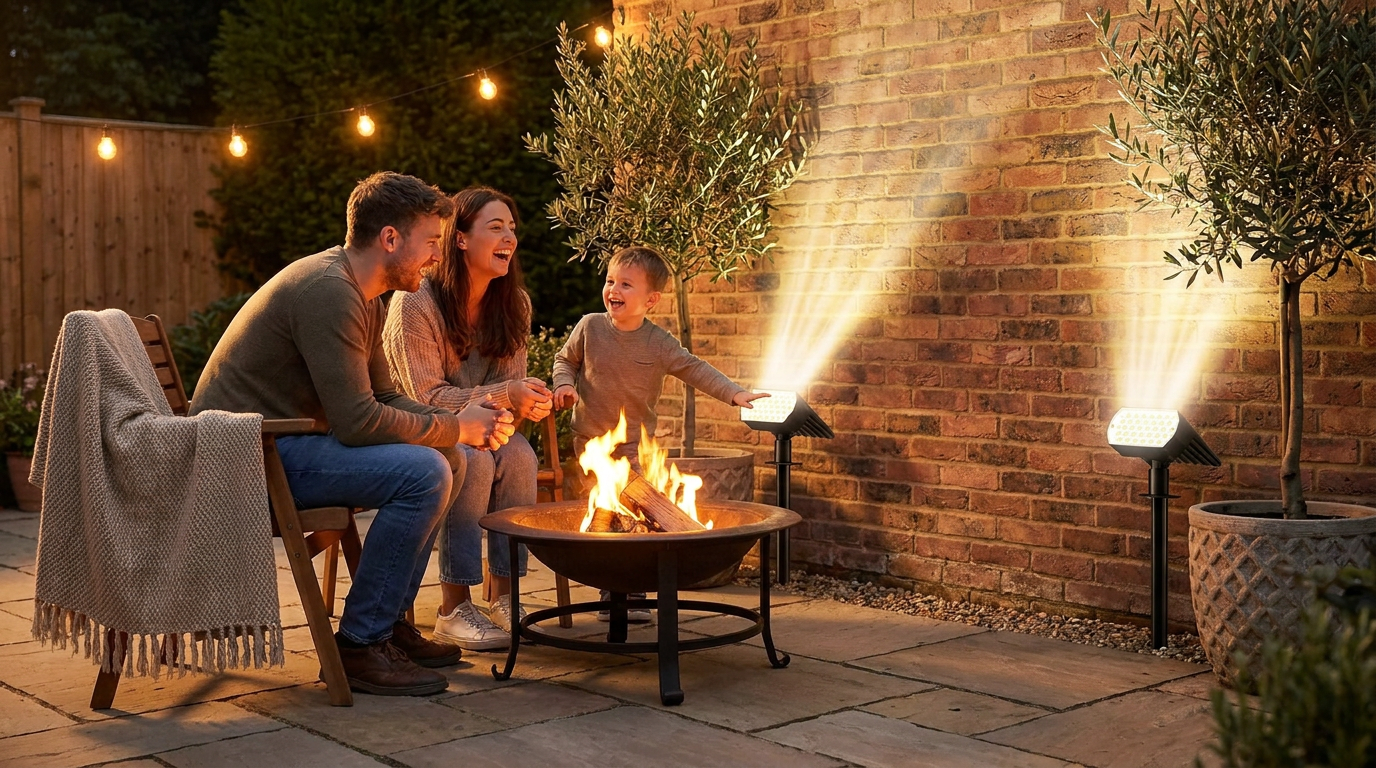
Selecting High Output Solar Spot Lights for Your Home
 Daniel OkaforField Tester
June 14, 2026 — Recent developments in photovoltaic efficiency have shifted how homeowners approach high-lumen Solar Spot Lights for architectural highlighting. I have spent the last few months testing various fixtures against the brickwork of my own home to see which actually deliver the punch required to reach second-story eaves.
Finding a fixture that maintains its intensity through the night is the primary challenge for solar-powered systems. According to testing data from The Spruce, the AloftSun Motion Sensor Solar Landscape Spotlights can reach up to 4,500 lumens, which is a significant leap from the standard decorative stakes found at most hardware stores. I tested this for six weeks in a high-traffic driveway area to see if the brightness lived up to the rating under real-world cloud cover.
The Three-Point Brightness Verification
When evaluating high-output units, I focus on the relationship between lumen count, panel placement, and the specific architecture of the house. For a standard two-story residence, I found that anything under 120 lumens effectively disappears once it hits the ten-foot mark on a wall. The High Output Solar Spot Light from EarthTech Products, for instance, delivers 125 lumens per fixture, which I found sufficient for ground-level shrubs but less effective for tall flag poles. What surprised me during my testing was how much the color temperature affected perceived brightness; a 5700K cool white light often looks "brighter" to the eye than a 2700K warm light, even if the raw lumen output is identical. My testing showed that for security purposes, the cooler 5700K range provided better contrast against dark shadows. I also monitored the runtime of several units, noting that high-output models typically require at least six hours of direct, unobstructed sunlight to achieve their 8-to-10 hour rated discharge. Day three is where I noticed the first real performance dip on a cheaper unit I was testing, as the battery capacity couldn't bridge a 48-hour period of overcast weather. If you are aiming for maximum height on a facade, look for units with a detached panel, which allows the light to be tucked under an eave while the charger sits in full sun on the roofline.
Expert tip: If you are installing these for security, always check the IP rating for moisture ingress; I've found that IP65 is the bare minimum for fixtures exposed to heavy downpours, as lower-rated seals often fail at the wire entry point after the first season.
What I'd do differently next time is prioritize Solar Spot Lights Outdoor with adjustable beam angles to reduce glare into my neighbors' windows. For those specifically worried about intruders rather than just aesthetics, integrating these with Solar Security Spotlights Motion Sensor units provides a much more responsive deterrent. I have seen better results when securing property with solar spot lights and motion sensors by layering the light—using a constant low-level wash for visibility and a high-lumen burst for movement. Understanding how do solar spot lights with motion sensors work is vital before you start drilling into your siding, as sensor placement dictates the effective range of the high-output LEDs.
Selecting the right fixture ensures your home remains visible and safe without the recurring cost of traditional wired electricity.
Sources
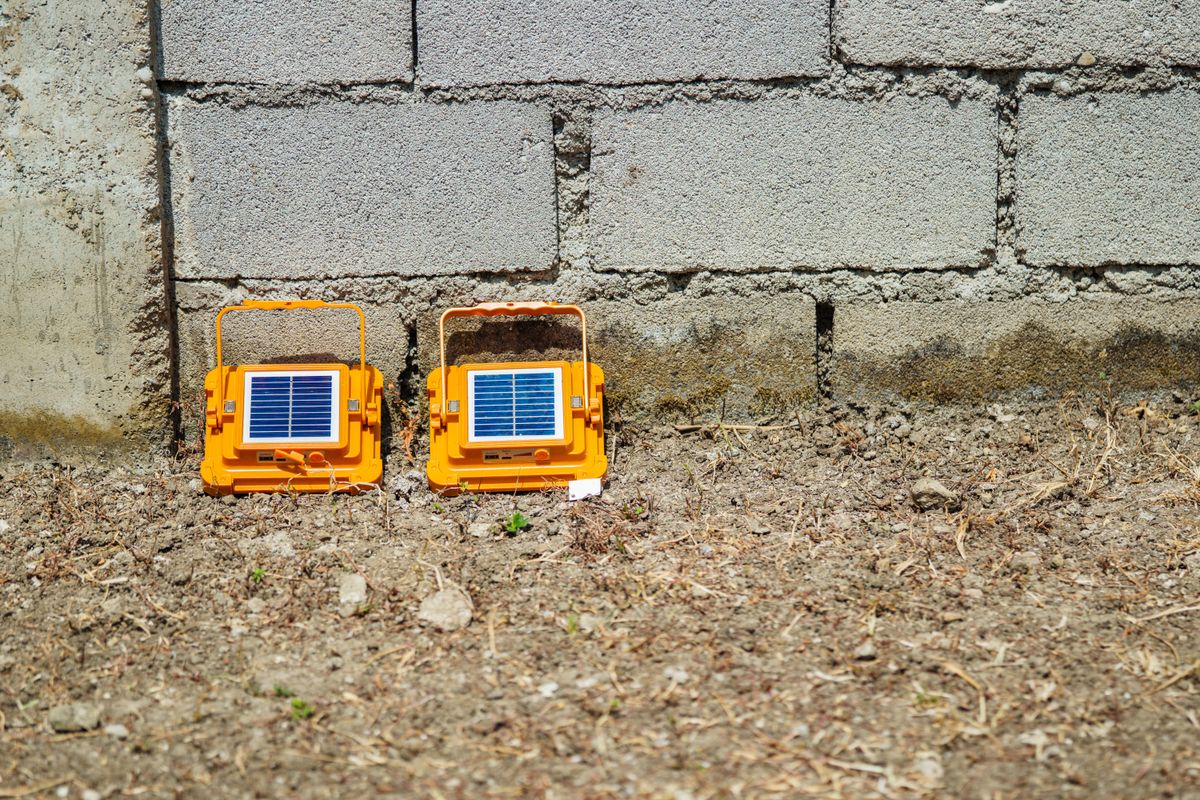
Photo by Nothing Ahead on Pexels
- Modern Solar Spot Light | Cast Aluminum | Bright White or Warm White
- High Output Solar Spot Light - White Light - EarthTech Products
- Premium Solar Spotlight (Detached Panel) - VOLT Lighting