How to Light Up Garden at Night: Complete Outdoor Solar Lighting Guide
How to Light Up Garden at Night: Complete Outdoor Solar Lighting Guide
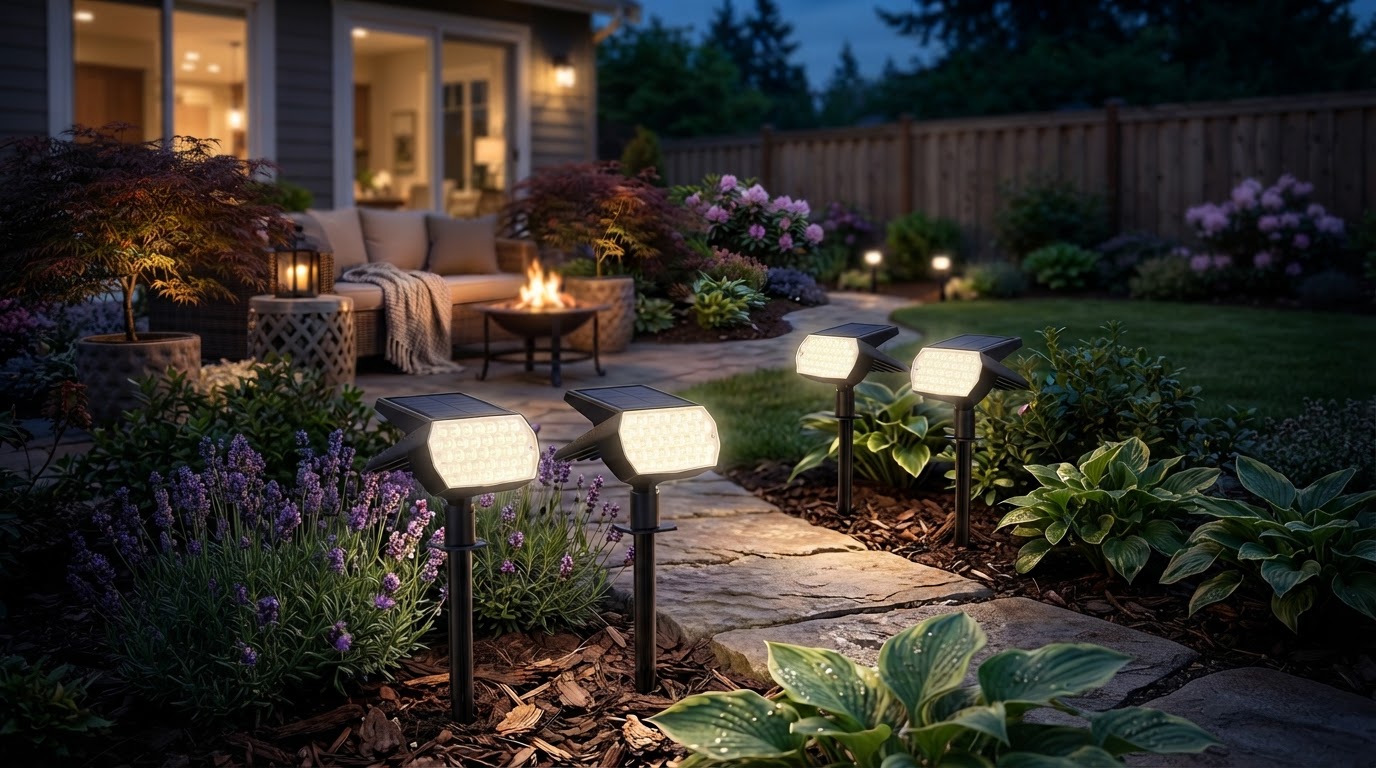
Transforming your outdoor space after dark creates a welcoming ambiance, highlights architectural features, and increases safety around pathways. Knowing how to light up garden at night effectively requires understanding light distribution, solar panel efficiency, and fixture durability.
Planning Your Nighttime Garden Lighting Strategy
A successful garden lighting plan combines beauty with practical utility. Rather than overwhelming your yard with harsh floodlights, focused spotlighting draws attention to focal points such as specimen trees, garden sculptures, flags, and stone pathways.
When designing your nighttime yard layout, consider depth and contrast. Placing solar landscape lights at the base of tall plants creates dramatic up-lighting, casting shadows that give your garden a three-dimensional feel after sunset. Using automatic dusk to dawn operation ensures your landscape transitions seamlessly from day to night without manual intervention.
Selecting the Right Brightness and Lighting Color Modes
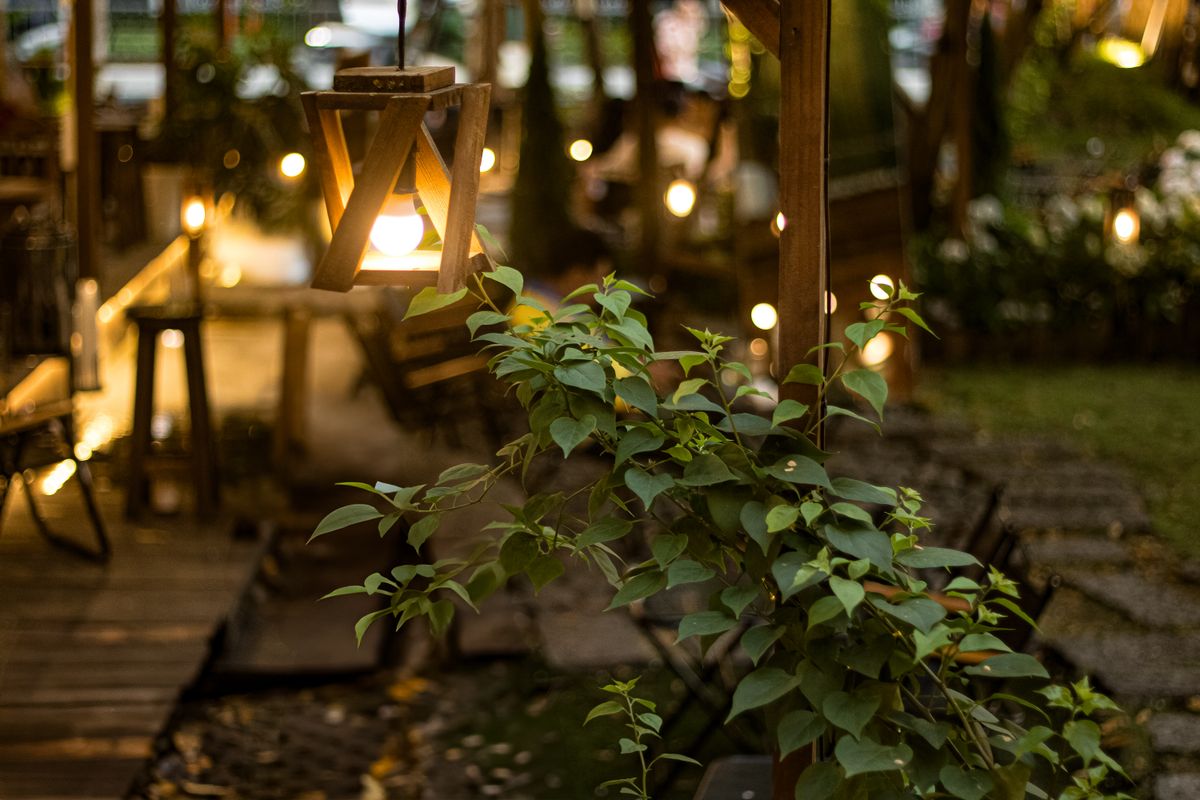
Photo by Duy's House of Photo on Pexels
Lumens measure the total amount of light emitted by a fixture. For outdoor accent lighting, a output of 600 lumens powered by 74 high-power LED beads provides bright, crisp illumination without blinding glare.
Color temperature plays a pivotal role in setting the atmosphere:
- Warm White: Ideal for creating a cozy, inviting environment around patio seating, wooden structures, and warm-toned floral beds.
- Natural White: Mimics crisp sunlight, perfect for rendering true green tones across lawn areas, bushes, and foliage.
- Cool White: Provides high contrast and modern appearance, excellent for highlighting statues, architectural columns, and stone walls.
Positioning Solar Panels and Spotlights for Maximum Efficiency
Solar-powered garden lights offer complete freedom from electrical wiring and costly energy bills. However, placement is critical for consistent performance. Choose fixtures featuring high-efficiency polycrystalline silicon solar panels with energy conversion rates up to 20% to capture maximum energy during daylight hours.
To ensure your lights provide continuous illumination for 6-14 hours on a single charge, position the solar collector where it receives direct sunlight. A 120-degree adjustable head makes it easy to angle the solar collector toward direct sunlight while directing the light beam precisely where it is needed most.
Durable Installation and Weatherproofing Tips
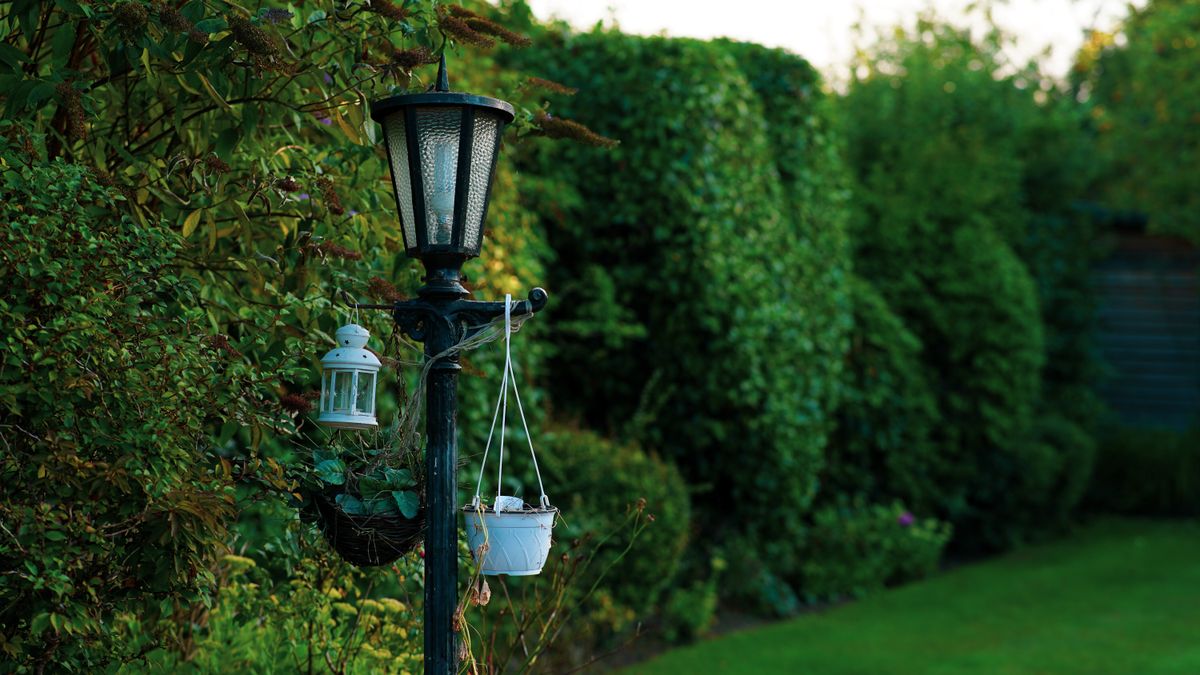
Photo by JINU JOSEPH on Pexels
Outdoor garden fixtures must withstand changing seasonal conditions. Look for an IP65 waterproof and weatherproof rating to ensure reliable operation through rain, snow, wind, and frost.
Versatility in installation ensures your lighting setup can adapt to your landscape. A 2-in-1 installation design offers flexibility:
Your outdoor lighting setup should also be backed by a clear manufacturer warranty, such as a warranty duration not specified guarantee, giving you long-term peace of mind. By choosing high-output, weatherproof solar spotlights, learning how to light up garden at night becomes an easy, rewarding DIY project.
Related in this cluster
- How to Install Solar Landscape Spotlights in 4 Easy Steps
- Solar vs Wired Landscape Lighting: Which Belongs in Your Yard?
- Warm White vs Cool White Solar Spotlights for Garden Design
- Why Solar Spot Lights Solve Common Yard Lighting Headaches
- 5 Ways to Highlight Sculptures, Trees, and Flags with Solar Lights
- Frequently Asked Questions About Solar Garden Spotlights