The Ultimate Buyer's Guide to Landscape Lighting Color Temperatures for Home Architecture & Plants
This ultimate buyer's guide to landscape lighting color temperatures matches home architecture and plants to 3000K warm white, natural white, and 6500K cool white. The best color temperature for landscape lighting is usually warm on brick, wood, and foliage; cool on flags and pale stone; natural on mixed siding. Solar spot lights with three modes let you change that after a dusk walk without new lamps. Place 600-lumen heads 6–10 feet from the subject. Color is a surface decision. Shopping a “brighter” kit will not fix the wrong Kelvin.
Architecture first: brick, wood, stone, and paint
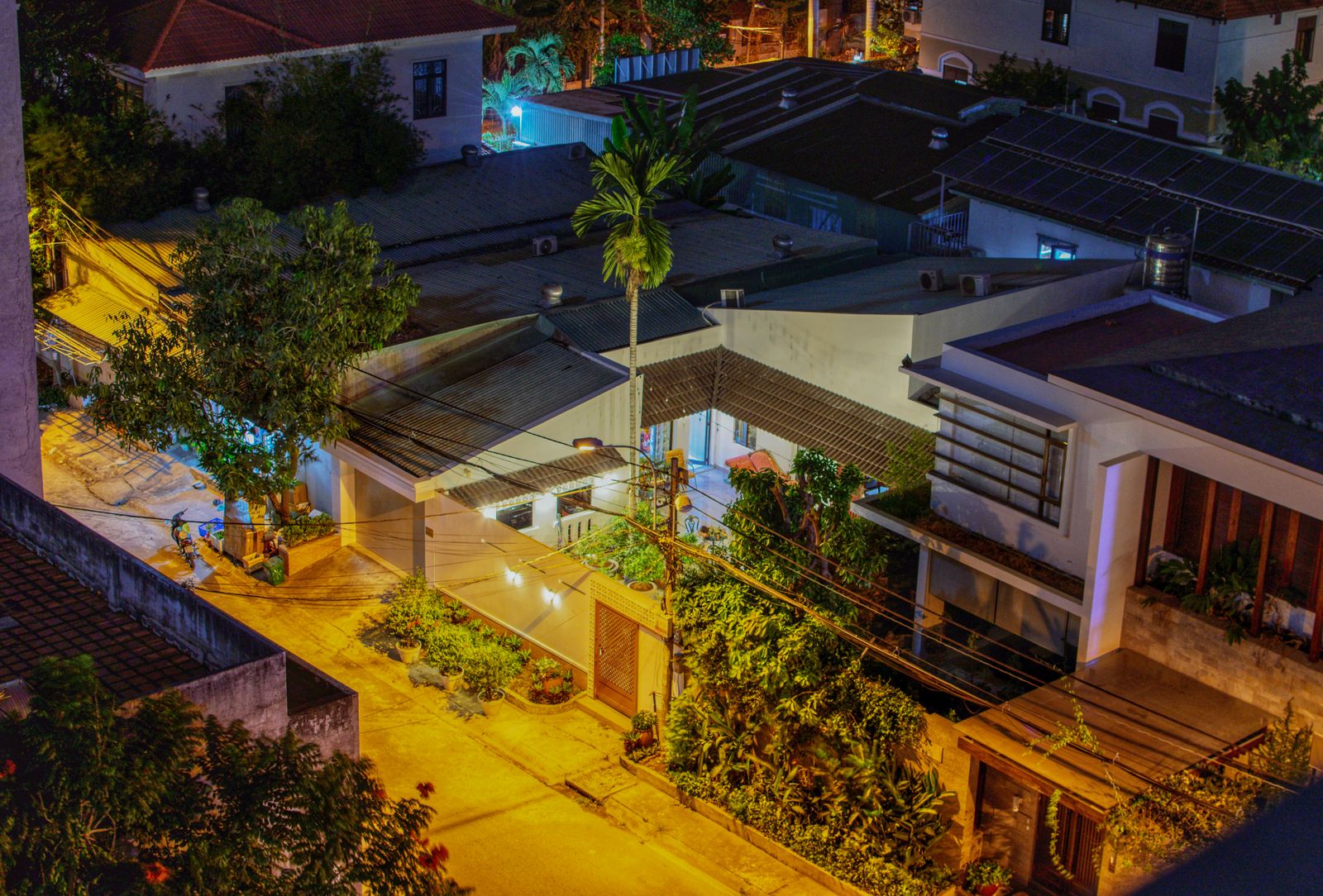
Home architecture tells you the starting Kelvin. Red brick, cedar, and cream stucco want warm white so mortar and grain stay rich. White fiber-cement and pale limestone can take cool white if you graze, not flood. Mixed stone bases with painted bodies often look finished on natural white. A buyer’s guide that only says “warm is cozy” skips the house you actually own.
Landscape lighting color temperatures also have to live with existing porch bulbs. If the stoop is already 2700–3000K, a 6500K facade wash will look like two projects. Match the architecture you paid for. Solar spot lights at 600 lumens are enough to model a bay or a chimney at 6–10 feet. They are not a stadium. Ultimate buying is restraint plus the right mode.
Plants second: foliage, bark, and beds in front of the house
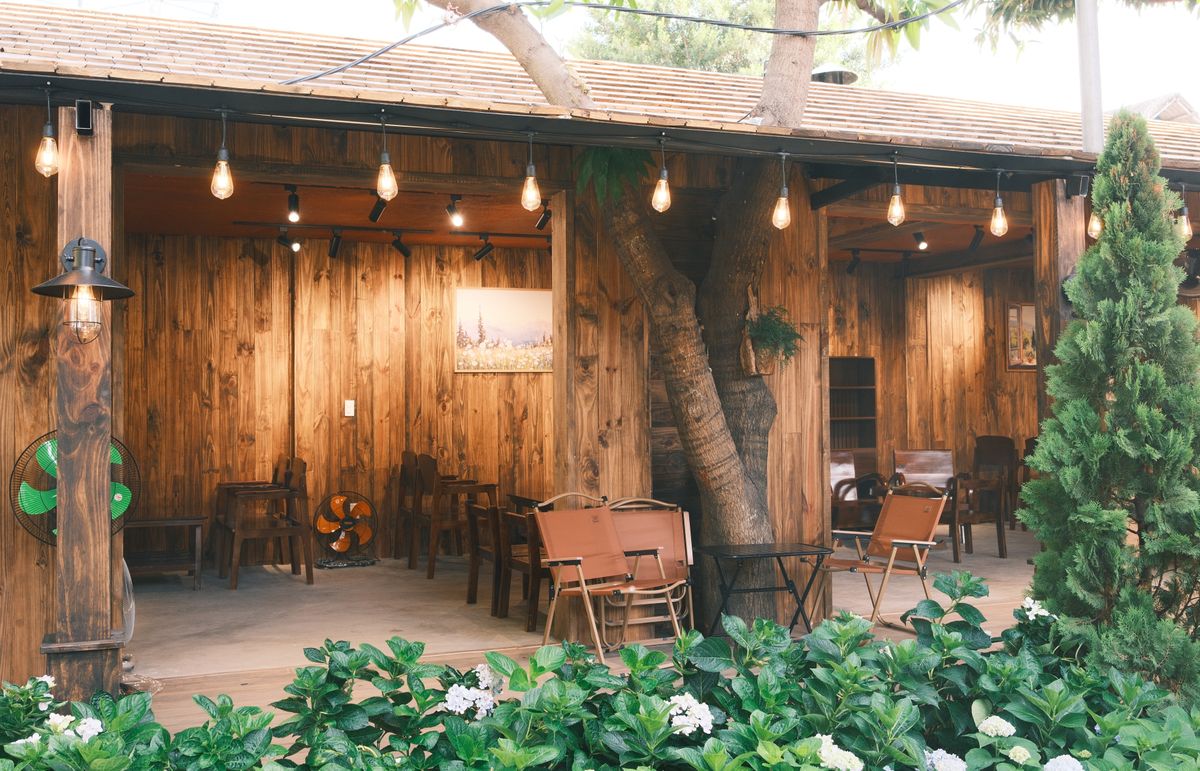
Photo by quang vinh on Pexels
Plants go gray under cool white. Warm white near 3000K is the default for garden beds, specimen trees, and anything you planted to look alive after dark. Silver bark and white blooms can take a cooler kiss, but most mixed borders want warm. If architecture and plants share one view—and they usually do—start warm and only cool the flag or a metal number plaque.
A 120-degree adjustable head lets you graze a bed and still keep the 1.5W–2W panel on the sky. Stake 4–6 inches behind the planting so the beam comes from the dark, not from the sidewalk. IP65 handles rain on the switch while you try modes. The 2000 mAh pack does not care about Kelvin. Shade does. Do not buy a cooler lamp to “fix” a tree that is shading its own panel.
How to buy once and still change your mind
The best color temperature for landscape lighting is the one you can change. Require three color modes on the same 74-LED head. That is the ultimate buyer’s move: one SKU for architecture and plants. Walk the street at dusk. Switch. Live two nights. Then stop shopping.
Skip listings that lock a mystery color. Skip kits that cannot wall-mount when your only sun is a fence. 2-in-1, $0 DIY, 1/4 inch bit on brick. Operating down to about -4°F still wants a full charge. This buyer’s guide is not a crate of mixed bulbs. It is solar spot lights you can restake, re-aim, and re-mode until home architecture and plants read as one plan.
Best color temperature by architecture and plants
| Subject | Best Kelvin / mode | Why | Watch-out | | --- | --- | --- | --- | | Red brick / cedar facade | Warm white ~3000K | Keeps mortar and grain rich | Cool white turns brick pink-gray | | Pale stone / white modern | Cool or natural | Keeps whites honest | Flooding cool looks like a lot | | Mixed siding and trim | Natural white | One beam, two materials | Warm-only can dingy gray paint | | Garden beds and foliage | Warm white | Leaves stay green, not gray | Too close washes the mulch | | Flag or metal numbers | Cool white ~6500K | Fabric and stars read true | Do not cool the whole house for one flag |
Aim, placement, and charging checklist

Photo by Mohannad Sadek on Pexels
- [ ] List architecture surfaces and plant beds separately, then pick modes.
- [ ] Default warm white on brick, wood, and foliage.
- [ ] Use cool white only where whites must stay white.
- [ ] Try natural white on mixed wings before buying a second kit.
- [ ] Place solar spot lights 6–10 feet from walls and trunks.
- [ ] Stake 4–6 inches or wall-mount 1/4 inch; keep the panel in sun.
- [ ] Charge 2000 mAh a full day before judging color temperature.
- [ ] Match new landscape lighting to existing porch Kelvin when you can.
Frequently asked questions
What is the best color temperature for landscape lighting around a brick house?
Warm white near 3000K for the facade and plants. Cool white only on a flag or numbers. This buyer’s guide starts there on purpose.
Do plants need a different Kelvin than home architecture?
Often no. Both like warm. Split modes when a pale gable or a flag fights the garden, not as a default.
Is 6500K ever the ultimate choice for a whole yard?
Rarely. Whole-yard cool reads as security lighting. Save it for corners that must describe a face.
Can one 3-mode solar spotlight cover architecture and plants?
Yes. That is why this ultimate buyer’s guide insists on three color modes instead of mixed single-color kits.
Will 600 lumens wash out small plants?
At two feet, yes. At the recommended 6–10 feet with a graze, 74 LEDs model foliage instead of bleaching it.
Related reading
- understanding outdoor color temperatures for solar spotlights
- why choose warm white solar spot lights outdoors
- choosing solar spot lights for landscape design
- ideas for outdoor landscape lighting and curb appeal
- how to highlight home architecture with solar spotlights
What to do next
Use this buyer’s guide tonight: set warm white on brick and plants, cool white on a flag if you have one, and natural white on any mixed wing. Walk the street. The best color temperature for landscape lighting is the one that makes home architecture and plants look like they belong together.