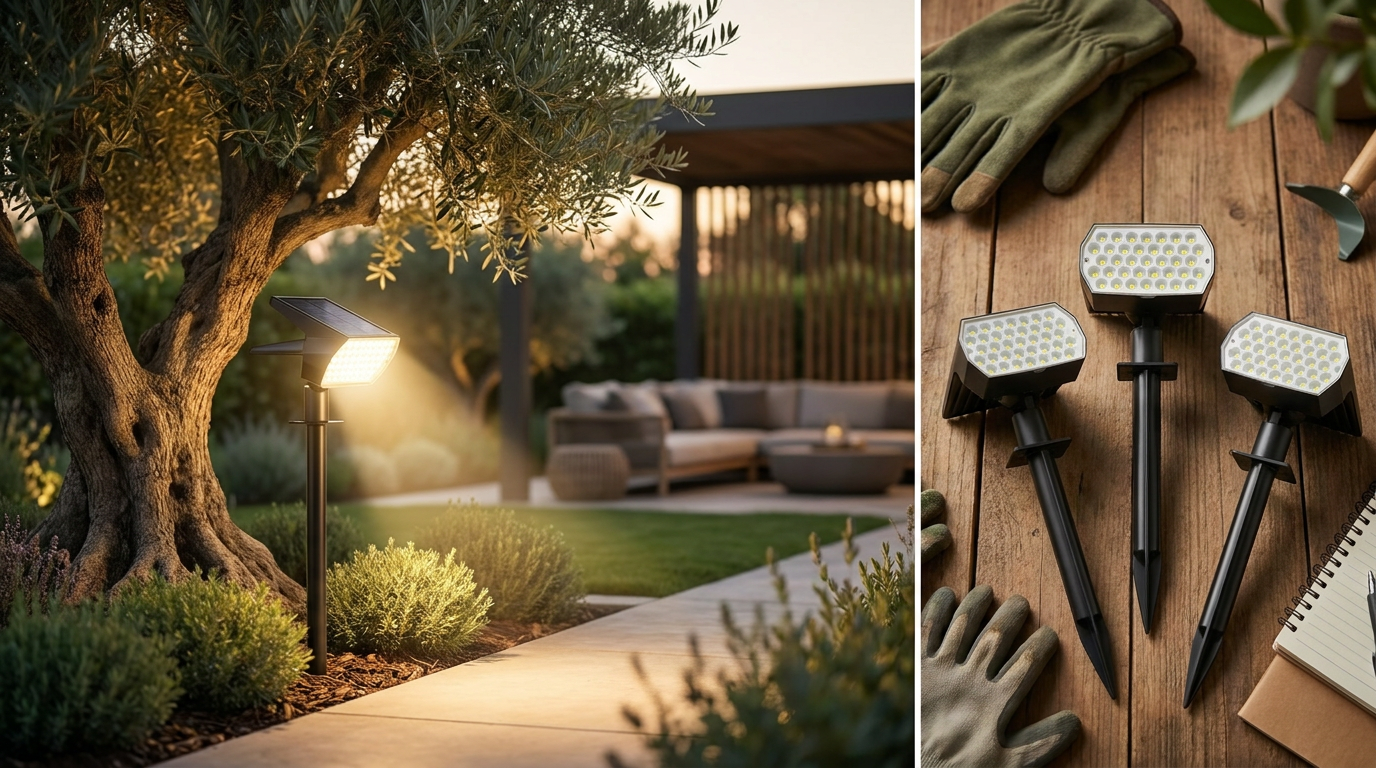
Selecting High-Performance Solar Spot Lights for Yard Layouts
 Priya RamanSenior Analyst
June 24, 2026 — The rising demand for sustainable landscape architecture has accelerated the deployment of high-lumen Solar Spot Lights in residential properties across North America.
As homeowners shift away from hard-wired systems, the priority has moved toward units that offer both durability and high-intensity output. According to data from VOLT® Lighting, premium brass and cast-aluminum fixtures are becoming the standard for those seeking longevity beyond a single season. This shift reflects a broader consumer interest in materials that can withstand environmental stressors while maintaining consistent light levels. When evaluating these systems, it is helpful to use a structured approach to distinguish between decorative accents and functional security lighting. Think of it as a matrix of durability versus luminous flux, where the specific needs of your terrain dictate the hardware requirements.
The Three-Axis Performance Framework
To effectively categorize the options available for modern landscapes, we utilize a three-axis model: output intensity, material resilience, and operational intelligence. The first axis, output intensity, is measured in lumens. While standard garden lights may hover around 50 lumens, high-performance solar landscape spotlights often exceed 300 to 600 lumens to ensure adequate reach for architectural features or large trees. The second axis, material resilience, separates consumer-grade plastics from professional-grade cast aluminum or brass. High-output units like those tested by the Outdoor Solar Store demonstrate that aluminum housings provide superior heat dissipation for the LED chips, extending the life of the internal circuitry. The third axis, operational intelligence, refers to integrated sensors. For many, the priority is finding dusk to dawn solar spotlights that manage power consumption automatically. Once you see it this way, the selection process becomes a matter of matching your yard’s specific dark spots with the appropriate technical specs. For instance, a solar powered flag pole light requires a narrow beam angle and high vertical reach, whereas general yard security benefits from a wider flood pattern. The decision rule: prioritize cast-metal housings and IP65 waterproof ratings for any fixture intended for permanent year-round installation.
Expert tip: When positioning units, ensure the photovoltaic panel is angled at 45 degrees toward the southern sky; even the brightest solar spotlights for house applications will fail to reach peak lumen output if the battery does not receive at least six hours of unobstructed solar radiation.
Properly integrating these fixtures involves more than just placement; it requires understanding the automated cycles of the hardware. Learning how to set up dusk to dawn solar spotlights ensures that the internal sensors are not triggered by ambient streetlights, which can prevent the units from activating. Furthermore, optimizing dusk to dawn solar spot lights for yard security often involves staggered placement to eliminate shadows that motion-activated systems might miss. By applying this structured framework, you can transition from a trial-and-error approach to a reliable, professional-grade lighting design.
Sources
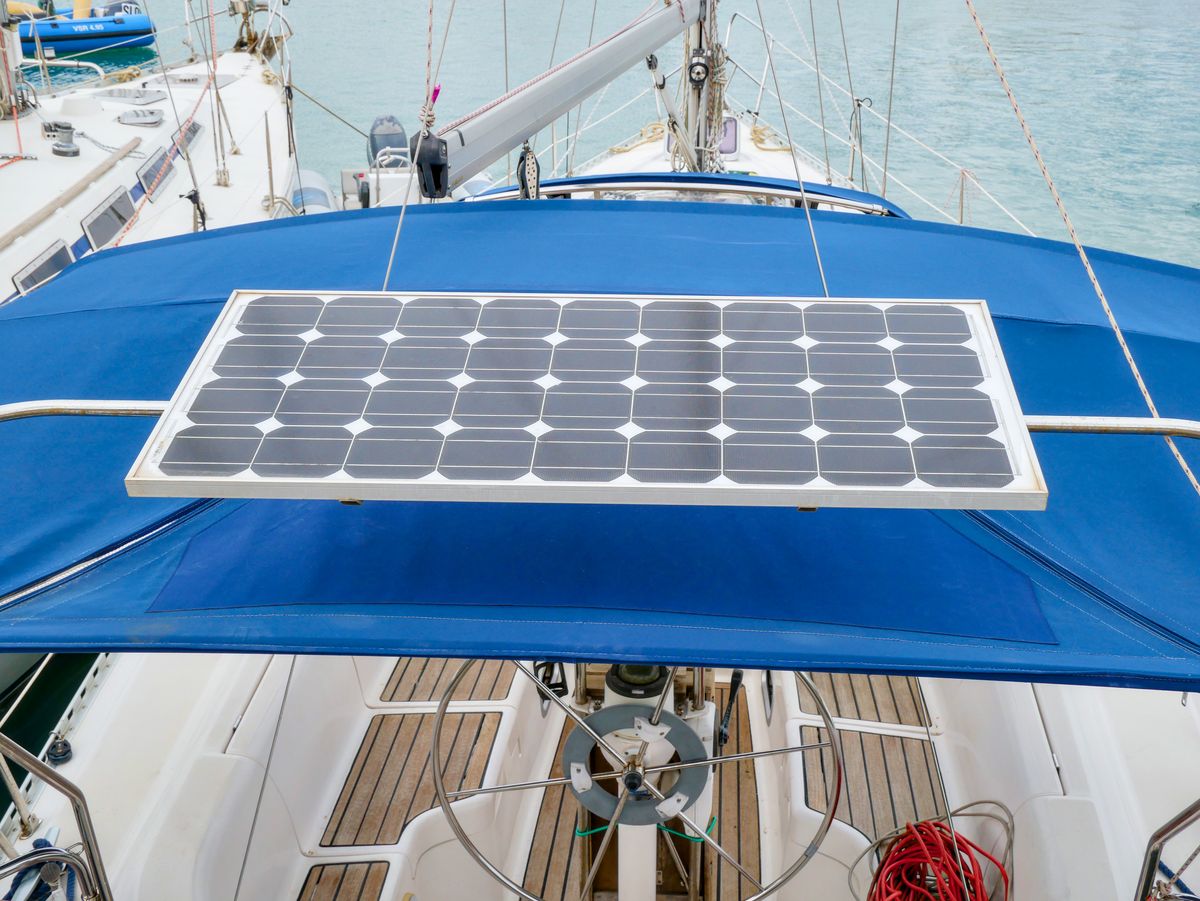
Photo by Lena Netkach on Pexels
- Solar Lights - Solar Powered Outdoor Lights | VOLT® Lighting
- Best Solar Spotlights for Outdoors? AUDERWIN 63LED ... - YouTube
- Modern Solar Spot Light | Cast Aluminum | Bright White or Warm White