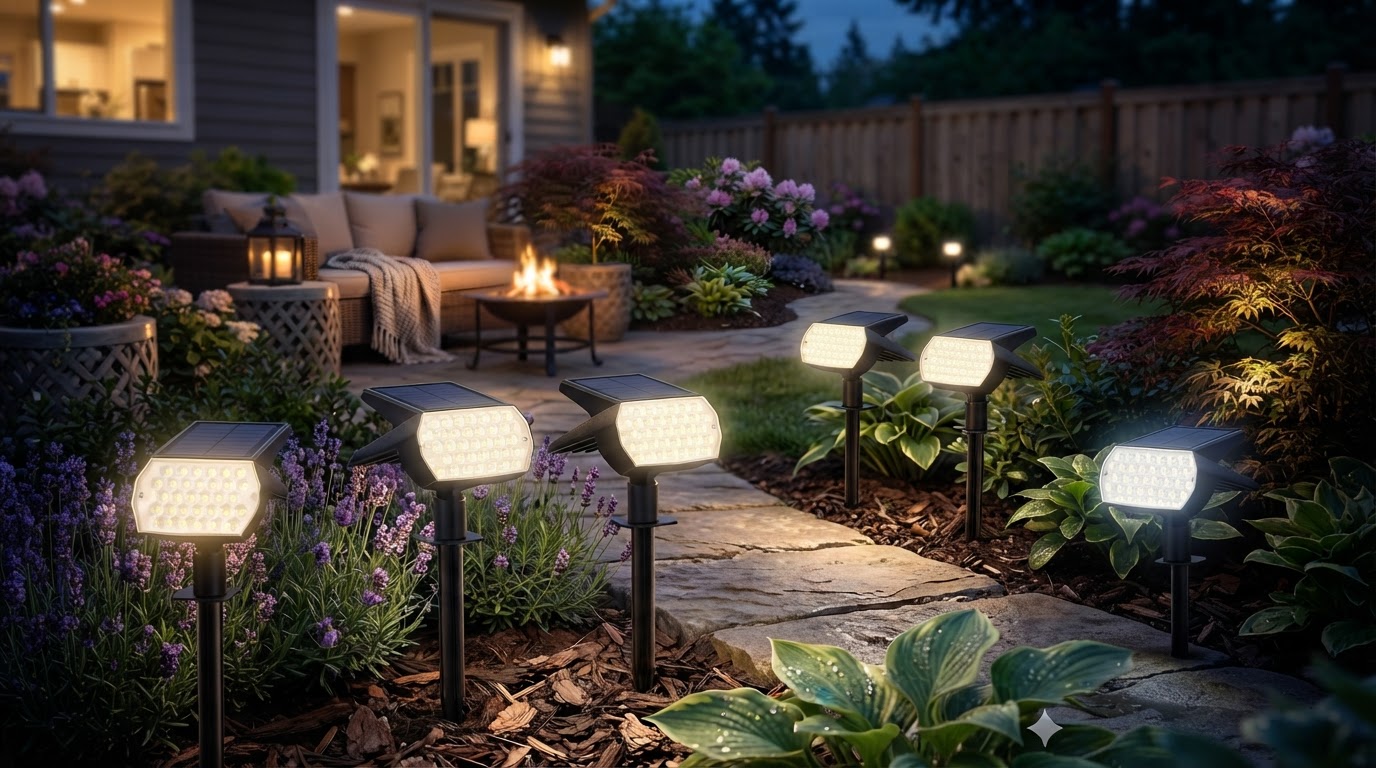
LETMY Price Drops vs Nacinic Solar Spot Lights Performance
 Maya ChenContributing Editor
August 10, 2026 — A recent pricing shift on Amazon has driven the cost of entry-level solar landscaping to new lows, with a 6-pack of LETMY outdoor LED spot lights dropping below $19 for Prime members. While the market reacts to these aggressive discounts, the technical gap between budget multi-packs and high-output units like the Nacinic solar landscape lights remains unaddressed by the current hype.
The conventional wisdom says that more fixtures at a lower price point equal better coverage for garden paths and home exteriors. According to Slickdeals.net, the LETMY 6-pack is currently listed at $33.24, but drops to $18.28 after applying a 45% discount code (65W497R9) at checkout. This brings the per-unit cost to roughly $3.05. However, here's the part nobody talks about: the relationship between conversion efficiency and actual utility.
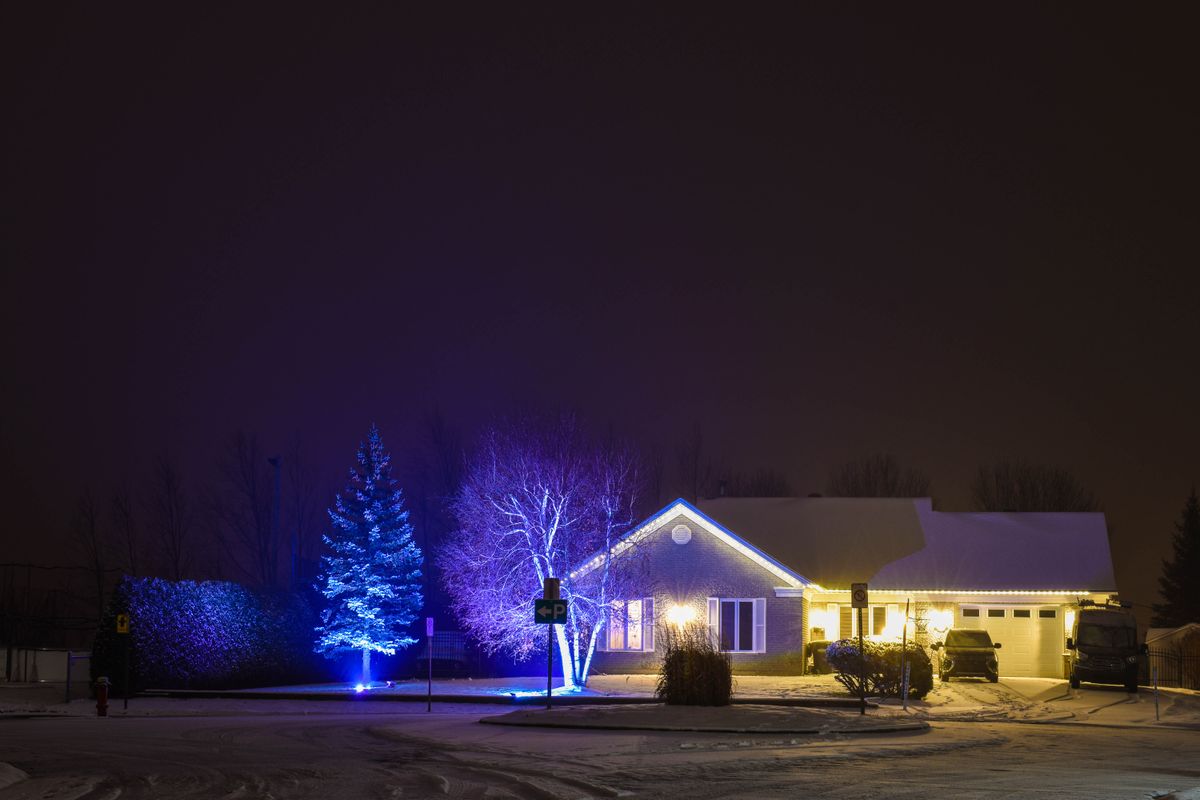
Photo by Marius-Laurentiu Butan on Pexels
Run the math: A low-cost fixture often utilizes standard silicon cells with conversion rates hovering around 12-15%. In contrast, Solar Spot Lights' Nacinic models utilize polycrystalline silicon panels with a verified conversion rate of 20%. When you are relying on 600 lumens from 74 LED beads to illuminate a sculpture or a flag, that 5-8% difference in conversion efficiency is the difference between a light that dies at midnight and one that provides the promised 14 hours of continuous illumination.
When planning a pathway lighting layout, homeowners often prioritize quantity over the IP65 waterproof rating and thermal management found in higher-tier units. A cheap stake light that fails after one frost cycle represents a 100% loss of investment, regardless of the initial discount. For those illuminating garden sculptures, the 120-degree adjustable head of a Nacinic unit offers precision that fixed-angle budget stakes cannot replicate. Furthermore, the ability to toggle between Cool, Warm, and Natural white allows for seasonal exterior lighting adjustments that single-spectrum lights lack.
Expert tip: Do not buy solar lights based on LED count alone. Instead, check the milliampere-hour (mAh) rating of the internal battery and the total wattage of the solar panel. A high LED count on a weak battery will result in rapid voltage drop and dimming within two hours of sunset. If you are mounting solar lights on walls, ensure the bracket is metal or high-density ABS to prevent snapping under wind load.
I'll change my mind when budget 6-packs can demonstrate a consistent 20% conversion rate and survive a three-year weather stress test without significant lumen depreciation.