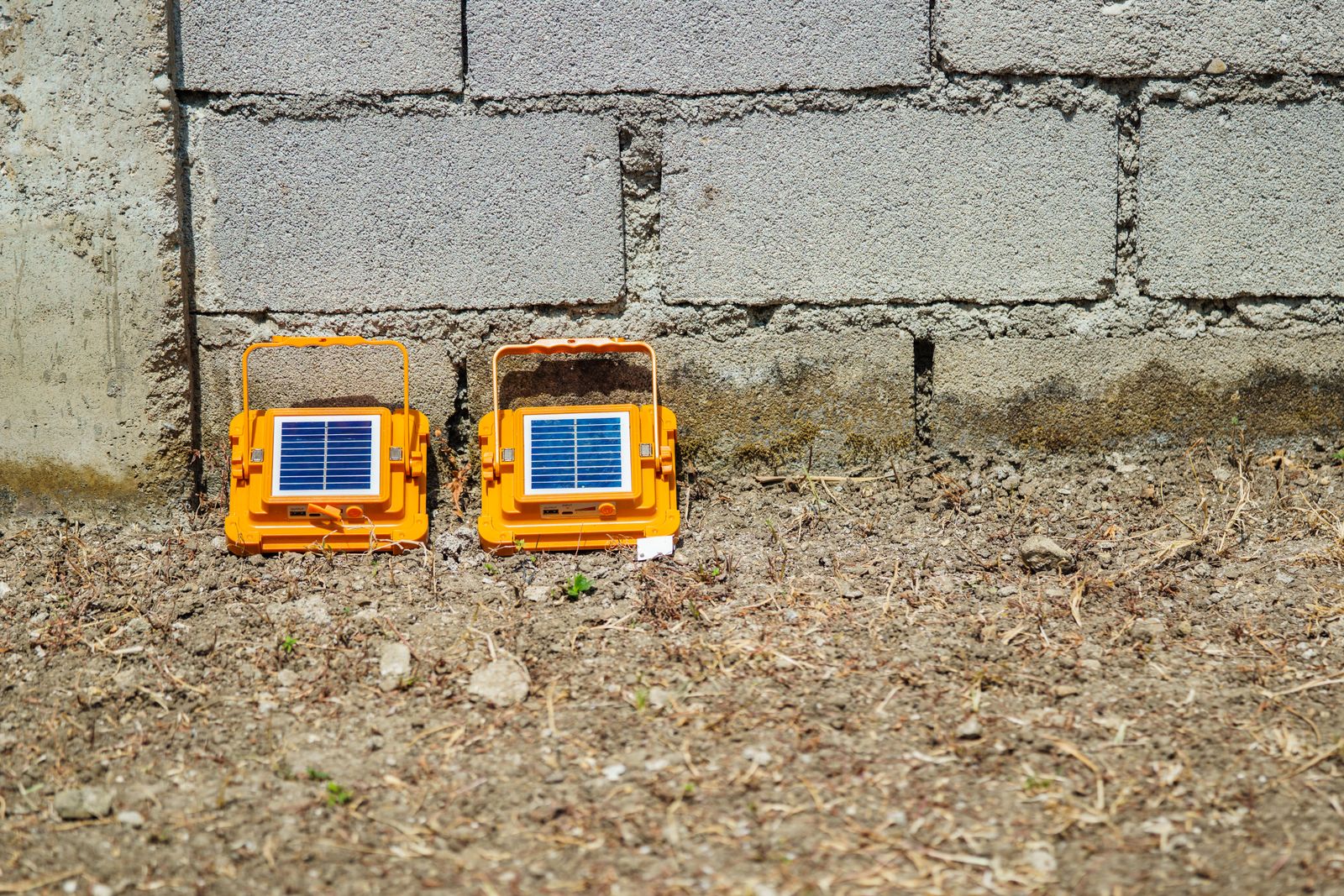
Ground Stake vs. Wall Mount Solar Lights for Garden Stairs
Should you stake solar lights into soil borders or mount them directly to stair walls? For narrow or steep garden stairs, wall mounting on side walls or risers delivers superior tread visibility without blinding upward glare. For wide lawn steps flanked by unshaded soil borders, ground stakes offer rapid setup and flexible solar panel positioning.
Stair Lighting Scenario Matrix: Stake vs. Wall Mount
| Stair & Landscape Scenario | Ground Stake Performance | Wall Mount Performance | Recommended Mounting Style |
| --- | --- | --- | --- |
| Steep stone steps with retaining side walls | Low angle forces upward light tilt, risking blinding glare for people walking down. | Fixtures mounted 12-18 inches high cast downward light directly across step treads. | Wall Mount |
| Wide terraced lawn steps with mulch borders | Stakes insert quickly into soil borders and adjust easily as foliage grows. | Requires building extra posts or anchors if side walls are absent. | Ground Stake |
| Narrow wooden staircase with open risers | Light placed at ground level gets blocked by the lower step structure. | Mounted to support posts or stringers to illuminate every tread evenly. | Wall Mount |
| Shaded lower steps under dense plant canopy | Ground-level panels get shaded by low shrubbery, reducing battery runtime. | Elevated wall placement raises the solar panel above plant shade into direct sunlight. | Wall Mount |
Compare how ground stakes and wall mounts perform across common residential stair layouts and environmental conditions.
Pros and Cons of Ground-Staked vs. Wall-Mounted Stair Lights
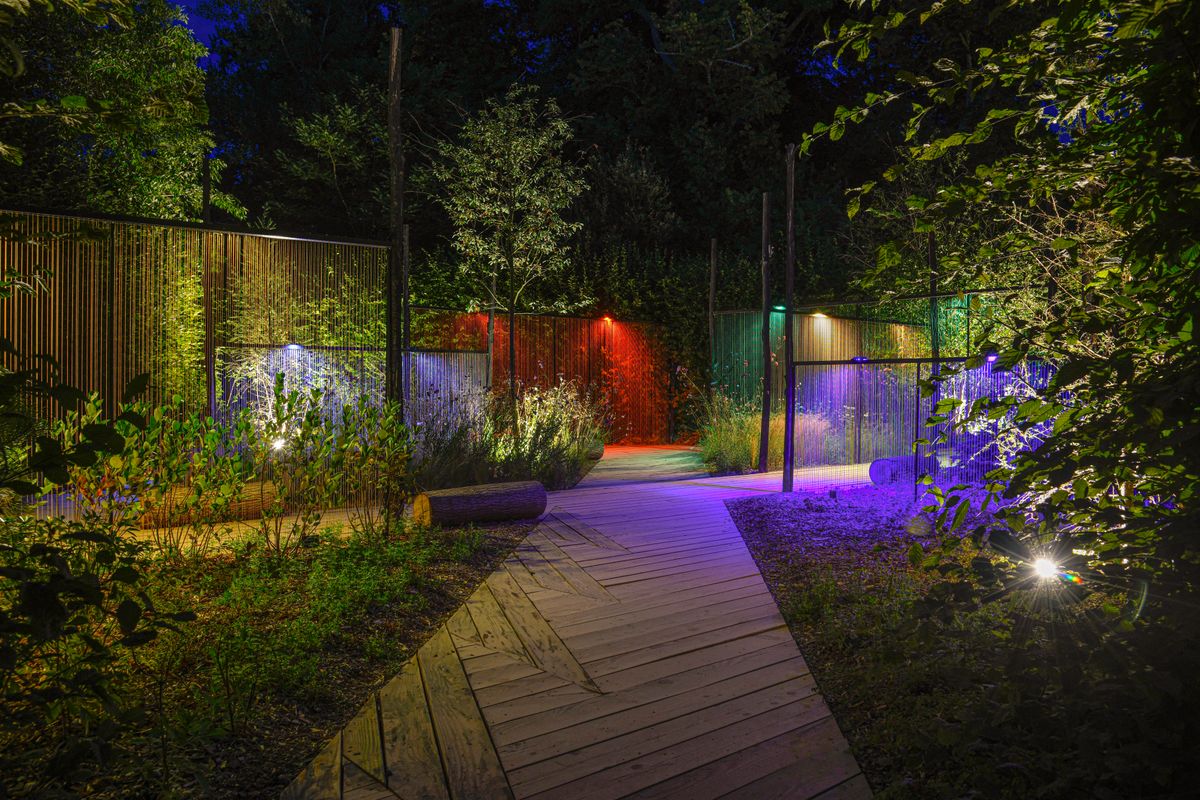
Photo by Thierry coulon on Pexels
Weigh the practical trade-offs of both installation styles to select the safest setup for your home's exterior steps.
Critical Stair Lighting Failure Modes to Avoid
Improper step lighting isn't just an aesthetic issue—it creates severe trip hazards and premature equipment failure. Avoid these common installation traps:
Actionable Next Steps for Safe Stair Illumination
Your decision: Determine if your staircase has structural side walls/posts (wall mount) or unshaded soil borders (ground stake).
Do this next: Opt for 2-in-1 convertible solar spotlights so you can test stake placement before committing to permanent wall mounting.
- Read next: Walkway Solar Lighting Buying Guide: Lumens and Color Temperature
- Read next: How to Position Solar Spot Lights along Walkways for Safety
Nacinic 2-in-1 Outdoor Solar Spot Lights (74 LEDs, 600 Lumens, 3 Color Modes, IP65 Waterproof)
Follow these steps to evaluate your stairs and choose the right mounting hardware before permanent installation.
Summary of Key Stair Lighting Principles
Keep these essential rules in mind when planning your outdoor stair lighting project:
Visualizing Beam Angles: Riser Mount vs. Side Border Stake
The diagram below illustrates how mounting height and beam direction dictate whether light illuminates step treads safely or creates dangerous glare.
Installation & Sunlight Testing Timeline
- Day 1 (Midday) — Unbox fixtures, select desired color mode (Warm White 3000K or Natural White 4000K), and place solar panels in direct sun for an initial 8-hour charge.
- Day 1 (Dusk) — Place spotlights temporarily using ground stakes alongside steps. Test beam angles by walking both up and down the staircase to inspect for glare or shadow blind spots.
- Day 2 (Morning) — Check daytime sun exposure. If plants shade the solar panels, adjust stake locations or switch to wall-mounting brackets elevated above plant growth.
- Day 2 (Afternoon) — Perform permanent installation: drive ground stakes into soil borders or drill pilot holes for wall mounts on risers/side walls.
Pre-Installation Safety Checklist for Garden Steps
Complete this quick safety audit before finalizing your outdoor solar lighting setup:
Decision Framework: Matching Mount Type to Step Construction
Choose wall-mounted solar spotlights for enclosed, steep, or masonry steps where stakes cannot penetrate. Choose ground-staked lights for wide landscape staircases flanked by soft soil borders receiving unshaded sunlight.
Best choice for
- Wall-Mounted Solar Spotlights — Mounting lights directly on side walls or risers ensures light casts downward across step treads without creating blinding upward glare.
- Ground-Staked Solar Spotlights — Ground stakes allow easy repositioning as landscape plants grow, while aiming the 120-degree adjustable head down onto the steps.
- Avoid ground stakes if the stair border consists of dense groundcover that shades solar panels during the day.
- Avoid wall mounting directly into thin wooden risers if screws could cause water infiltration and wood rot.
- 2-in-1 Convertible Solar Spotlights — Allows switching between stake and wall mount if seasonal shade patterns or foliage change.
Recommended Outdoor Solar Spotlights for Stairs
When illuminating outdoor garden steps, fixture flexibility is essential. The Nacinic 2-in-1 Solar Spotlight adapts seamlessly to ground or wall configurations while offering high brightness and weather protection.
Real-World Installation Examples: Landscape Stairs
Terraced Flagstone Garden Steps with Heavy Summer Perennial Growth — Use wall-mounting hardware to elevate spotlights 16 inches high on adjacent retaining walls. This elevates the polycrystalline solar panel above growing flower beds while aiming the 74-LED beam downward onto stone treads.
Timber and Gravel Landscape Steps Flanked by Turf — Insert ground stakes into mulch beds at least 8 inches back from the grass line to prevent lawnmower damage. Angle the light head down toward step centers at a 45-degree angle to avoid upward glare.
See how homeowners solve common garden stair lighting challenges using smart placement strategies:
Illuminating outdoor staircases requires a careful balance between human visual ergonomics and solar energy harvest. Unlike flat garden pathways, stairs introduce elevation changes that bring light fixtures closer to eye level for descending pedestrians.
The Physics of Step Tread Illumination
To make stair treads safe at night, lighting must highlight the front edge—known as the step nosing—without casting long shadows underneath. When light hits a step riser from a very low ground stake placed directly at the base, the light rays strike the front face of the step riser but fail to illuminate the flat surface of the upper tread. Worse, if the lamp head is angled upward to reach higher steps, it shines straight into the eyes of someone descending the stairs.Elevating the light source—either by mounting it on a side wall 12 to 18 inches above the step tread or by using tall stakes angled 45 degrees downward—ensures that the light beam covers the flat tread surface. This downward beam distribution casts subtle shadows in front of step nosings, giving the human brain immediate visual cues about step depth.
Balancing Panel Angle and Dusk-to-Dawn Battery Life
Solar spotlights rely on high-conversion photovoltaic panels to power their internal batteries. High-efficiency polycrystalline panels can achieve energy conversion rates up to 20%, but only if positioned to capture direct sunlight.One major advantage of 2-in-1 solar spotlights with 120-degree adjustable heads is independent positioning. You can angle the light head down toward step treads while angling the solar panel upward toward peak southern sky sun exposure. This dual adjustment ensures 6 to 14 hours of continuous night operation even during shorter winter days.
Related Pathway & Stair Lighting Guides
- Wall-Mounted vs. Ground-Stake Solar Lights for Pathway Safety: Which Is Better?
- Ground Stake vs. Wall Mount Solar Spot Lights: Which Installation Method Is Right for Your Yard?
- Ground Stake vs. Wall Mounted Solar Spotlights: Which DIY Setup Is Best for Your Yard?
Frequently Asked Questions
Find fast answers to common technical questions about solar step lighting performance, color temperature, and mounting height.
Final Summary & Next Steps
Your decision: Identify whether your stair structure has solid side walls/risers (wall mount) or soft garden soil borders (ground stake).
Do this next: Order 2-in-1 convertible solar spotlights to test temporary stake positioning before permanently mounting to walls.
- Read next: Walkway Solar Lighting Buying Guide: Lumens and Color Temperature
Nacinic 2-in-1 Solar Spot Lights (74 LEDs, 600 Lumens, 3 Color Modes, IP65 Waterproof)
Ready to make your garden steps safe, welcoming, and beautifully lit? Choose versatile 2-in-1 solar spotlights that give you the freedom to test both ground-stake and wall-mount setups on your property.
Cover photo by Nothing Ahead on Pexels.