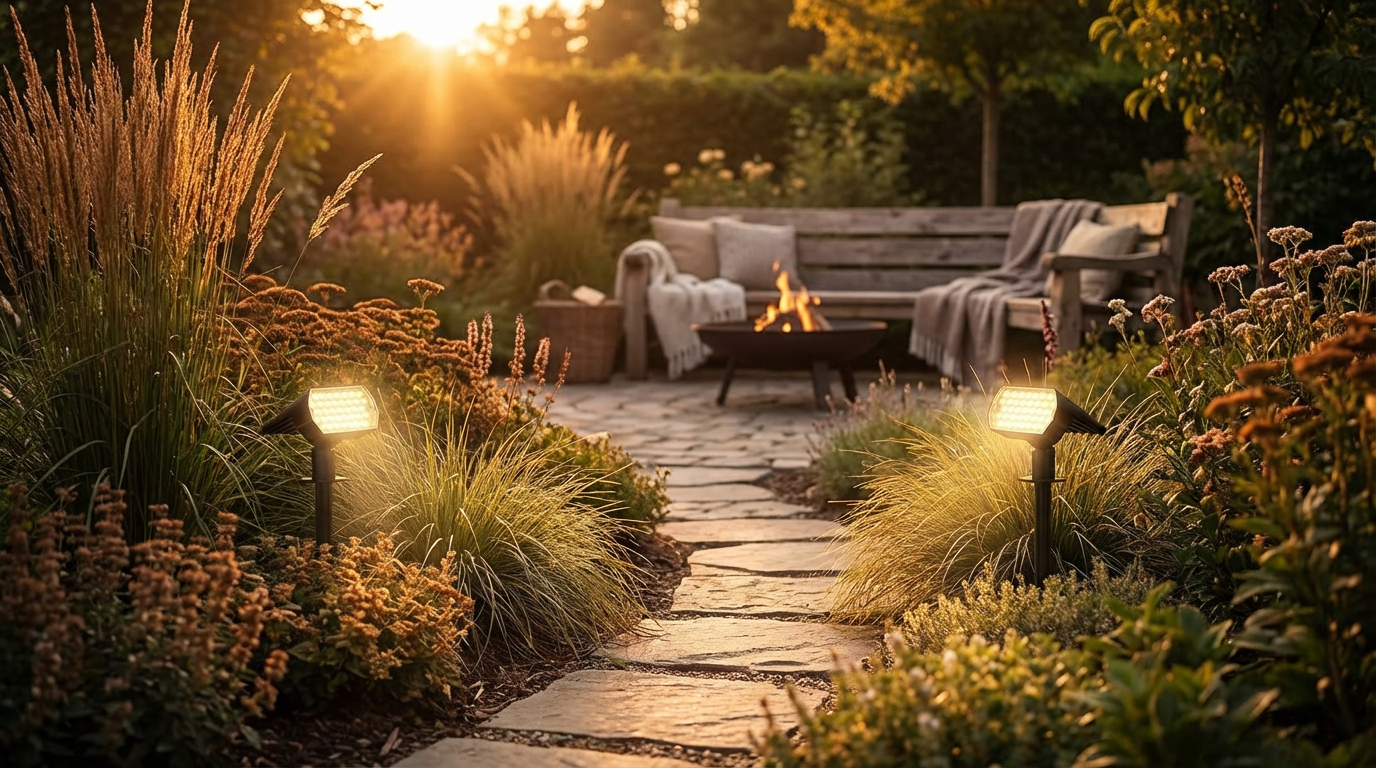
Guide to Garden Design with Solar Spot Lights
 Jordan HaleStaff Writer
Your garden doesn't have to disappear when the sun goes down. Imagine extending the beauty of your outdoor space into the evening, creating an enchanting atmosphere for relaxation or entertainment. While traditional lighting involves complex wiring and ongoing electricity costs, Solar Spot Lights offer a simple, sustainable, and powerful alternative. They unlock the potential of your garden after dark, turning it from a dark void into a stunning landscape of light and shadow.
The Smart Technology Behind Solar Garden Lighting
Solar Spot Lights are a marvel of green technology, operating completely off-grid. Each unit functions as a self-contained power station. During the day, a photovoltaic (PV) panel absorbs sunlight, converting solar energy into electrical energy that is stored in a rechargeable battery. According to the U.S. Department of Energy, solar technology has become increasingly efficient and affordable, making it a practical power source for homes. As dusk arrives, a built-in photoreceptor senses the lack of light and automatically switches on the high-efficiency LED bulb, bathing your garden in light for hours.
This simple, brilliant cycle means zero running costs, no increase in your electricity bill, and a minimal carbon footprint. The freedom from wires is a true game-changer for garden design, allowing you to place lights anywhere the sun shines, without the need for electricians or disruptive trenching.
Creative Lighting Techniques for Your Garden
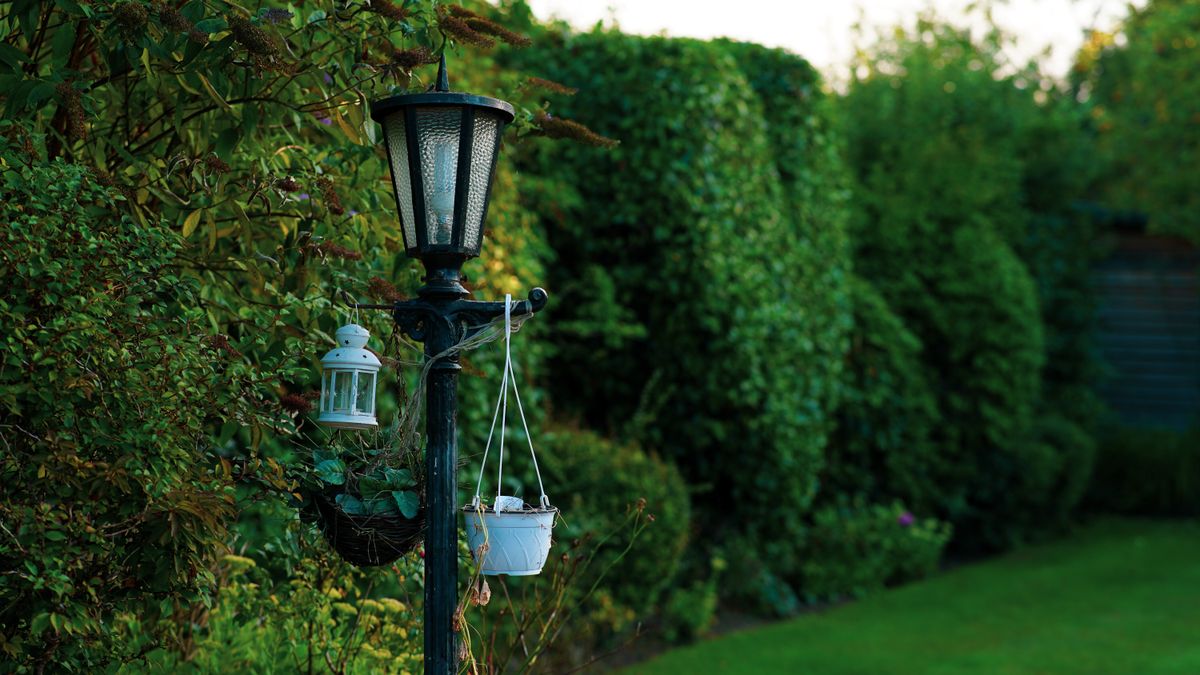
Photo by JINU JOSEPH on Pexels
Effective garden lighting is about more than just visibility; it's about artistry. Solar spotlights are the perfect tool for painting with light, adding drama, and creating mood. By using a few professional techniques, you can completely transform your space.
- Uplighting for Drama: This is the most popular technique for a reason. Place a spotlight at the base of a feature and aim it upwards. It's perfect for showcasing the textured bark of a mature tree, the intricate details of a statue, or the architectural lines of your home. This creates dramatic shadows and turns ordinary objects into stunning nighttime focal points.
- Downlighting for a Natural Glow: For a softer, more natural effect, try mounting a spotlight high up in a tree and angling it downwards. The light filters through the leaves and branches, mimicking moonlight and casting dappled patterns on the ground below. This is an excellent way to illuminate a patio or seating area with a gentle, ambient glow.
- Silhouetting for Impact: Create a bold statement by placing a spotlight behind an object and aiming it towards a wall or fence. This technique hides the details of the object itself, instead emphasizing its shape by creating a dark outline against a lit background. It works beautifully with plants that have a distinct and interesting form, like Japanese maples or ornamental grasses.
- Path Lighting for Ambiance and Safety: Use a series of solar spotlights to line a walkway or illuminate steps. Aim the beams low and across the path to prevent glare while providing enough light to see where you're going. This not only enhances safety and security for your home but also guides the eye, creating a welcoming journey through the garden.
Choosing the Right Solar Spot Lights
Not all solar spotlights are created equal. To achieve the best results, consider a few key factors before you buy.
- Brightness (Lumens): For subtle accent lighting, a lower lumen count (50-100) may be sufficient. To highlight a large tree or the front of your house, look for higher-lumen models (200-600+).
- Color Temperature: Light color is measured in Kelvin (K). Warm white light (2700K-3000K) creates a cozy, inviting atmosphere that complements natural materials. Cool white light (4000K-5000K) is crisper and more modern, making colors appear more vibrant.
- Adjustability: Look for lights with adjustable heads and solar panels. This allows you to aim the light beam precisely where you want it while ensuring the panel is positioned for maximum sun exposure. This flexibility is key to achieving effortless style with solar outdoor spotlights.
- Durability: Your lights will be exposed to the elements, so check for a high IP (Ingress Protection) rating, such as IP65 or higher, which indicates resistance to dust and water.
Maximizing Your Spotlight Performance
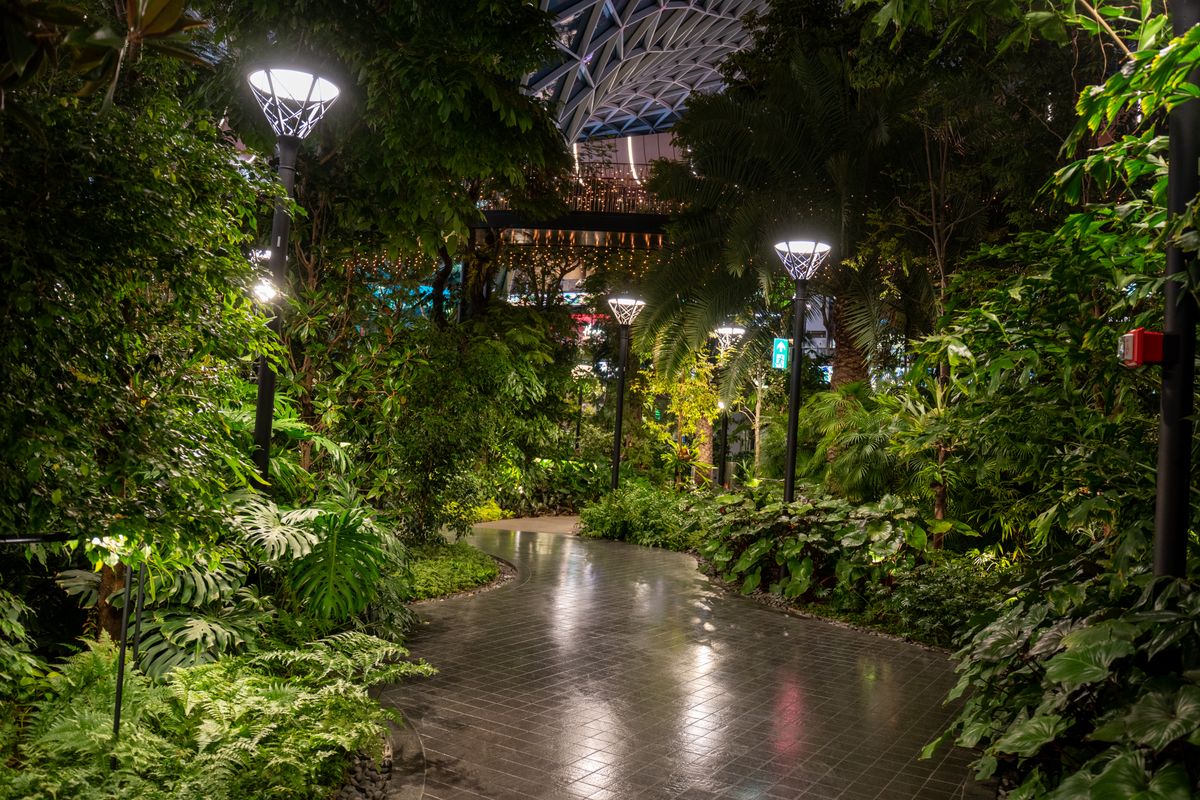
To ensure your lights shine brightly night after night, follow these best practices:
How long do solar spotlights stay on?
The runtime of a solar spotlight depends on several factors: the amount of direct sunlight it received during the day, the battery's capacity, and the brightness setting. On a full charge, most modern solar spotlights will provide 8-12 hours of illumination, easily lasting from dusk until dawn.
Do solar spotlights work on cloudy days or in winter?
Yes, they do, but their performance may be reduced. The solar panels can still charge on overcast days, but they won't gather as much energy as they would in direct sunlight. This might result in a shorter runtime or slightly dimmer light. Similarly, in winter, shorter daylight hours mean less charging time. For best results in these conditions, ensure the panel is clean and positioned to catch as much ambient light as possible.